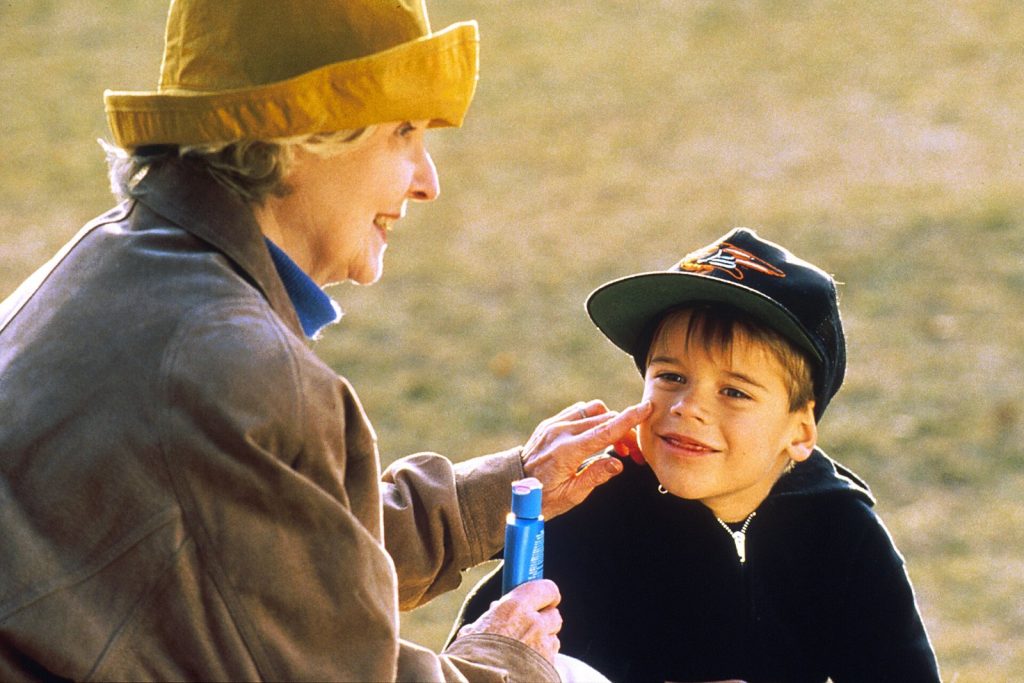
A sensible skincare routine for kids is usually simple: choose products for a clear purpose, such as a gentle cleanser, moisturizer, sunscreen, or optional lip care. For healthy prepubescent skin, avoid turning the routine into an adult-style treatment program built around retinol, exfoliating acids, vitamin C, or high-concentration niacinamide. These ingredients can be potential irritants, and The Cut cites dermatologist Brooke Jeffy, M.D., advising caution with them for children whose skin is thinner and drier than adults’ (The Cut).
- The skincare products kids may need
- How age and skin condition affect the choice
- Ingredients and product types to approach carefully
- When a kids’ skincare set makes sense
- A practical buying checklist
- Frequently asked questions
- Sources
The skincare products kids may need
The most useful way to shop is by product role rather than by the number of steps in a set or routine. A child may need only one or two categories, while another may benefit from a small basic routine.
Gentle cleanser
A mild cleanser is the main product to consider when a child needs a face-washing step. Evereden describes a gentle face wash as a way to clean kids’ skin without stripping natural oils and recommends looking for mild surfactants and hydrating ingredients (Evereden).
Evereden’s kids’ collection includes face wash and other skin-care products, while Pipa Skin Care markets gentle essentials for children ages 8–13 (Evereden; Pipa Skin Care). The useful buying question is not whether a cleanser looks appealing in a set, but whether the child needs a product for that specific cleansing step.
Lightweight moisturizer
A simple moisturizer is the relevant category when the goal is hydration. Evereden highlights shea butter and jojoba oil in its description of a lightweight kids’ moisturizer (Evereden). Bare Young lists a daily face moisturizer among its individual face-care products (Bare Young).
These descriptions explain how the brands position their products; they do not establish that every child will respond the same way to every formula. Choose a moisturizer for basic hydration rather than for added exfoliating, anti-aging, or intensive-treatment claims.
Sunscreen
Sunscreen is another relevant product category for protecting children’s skin from harmful UVA and UVB rays. Evereden’s guide includes mineral-based sunscreen and describes a daily SPF 20+ option, while Bare Young lists an everyday face sunscreen among its products (Evereden; Bare Young).
The product should fit the child’s routine and the use described on its label. Sunscreen does not need to be bundled with several other facial treatments to serve its purpose.
Lip balm or oil when needed
A nourishing lip balm or oil is an optional category for children who need lip care. Evereden includes lip balm or oil among its recommended kids’ skincare categories (Evereden).
Look for a product intended to provide comfort and moisture rather than using lip care as a reason to add stronger facial ingredients to the routine.
How age and skin condition affect the choice
“Skincare products for kids” can refer to very different shopping situations. A younger child may need only functional cleansing or moisturizing, while a tween may be asking for products because of beauty content, packaging, or the appearance of blemishes. Age alone does not create a need for a large collection.
Younger children: keep the routine functional
For younger children, focus on the product roles that match an actual need: cleansing, moisturizing, sunscreen, or lip care. Evereden’s collection groups products into categories such as face wash, face cream, and kids’ skincare sets (Evereden). Shopping by category helps separate useful products from optional additions.
A set or body-care product may be enjoyable, but ask what the item is supposed to do. If its purpose is unclear, it is not essential to a basic routine.
Tweens: start with gentle essentials
Pipa Skin Care markets dermatologist-tested essentials specifically for ages 8–13, illustrating how some brands position products for the transition into tween skincare (Pipa Skin Care).
For a child with healthy skin and no condition requiring topical treatment, The Cut identifies retinol, alpha-hydroxy acids, beta-hydroxy acids, vitamin C, and products with double-digit concentrations of niacinamide as ingredients to avoid or approach cautiously. The article describes these ingredients as potential irritants for adult skin and a greater concern for children with thinner, drier prepubescent skin (The Cut).
That makes a gentle cleanser, moisturizer, or sunscreen a more suitable starting category than an “active” product chosen for dramatic claims. If a child has pimples or a skin condition that requires topical treatment, the decision is no longer just about selecting a general healthy-skin product; it requires guidance appropriate to that condition.
Ingredients and product types to approach carefully
Adult-style facial actives
Retinol, alpha-hydroxy acids, beta-hydroxy acids, vitamin C, and high-concentration niacinamide deserve particular caution for healthy prepubescent skin. The concern is not that every formula will affect every child identically. These ingredients are identified as potential irritants, so they should not be added merely to make a child’s routine look more sophisticated (The Cut).
A practical rule follows from that distinction: when there is no specific skin-care problem requiring targeted treatment, select the basic product that performs the needed step and skip the active ingredient.
“Clean” and “natural” claims
Evereden describes its products with terms such as “clean,” “gentle,” and “non-toxic.” Bare Young emphasizes simple formulas and says its products are free from sulfates, parabens, and fragrances. Pipa Skin Care describes its range as gentle, dermatologist-tested essentials for ages 8–13 (Evereden; Bare Young; Pipa Skin Care).
These are brand descriptions and product claims, not a universal guarantee that a formula will suit every child. Compare the ingredient list and the product’s stated purpose with the child’s age and actual need.
Novelty steps and single-use products
Mists, masks, accessories, and colorful sets may make skincare more engaging, but they are not required for a basic routine. The Cut discusses a fragrance-free moisturizer as a tween-friendly example while questioning the value of single-use sheet masks for children (The Cut).
Consider an optional product only after the routine’s core purpose is clear. A novelty item should not displace the cleanser, moisturizer, sunscreen, or lip care the child actually needs.
When a kids’ skincare set makes sense
A skincare set can be convenient when each item has a clear role and the products match the child’s age and needs. Evereden offers kids’ skincare sets alongside individual face wash and face cream products. Bare Young lists bundled face-care products as well as individual cleanser, moisturizer, and sunscreen items. Pipa Skin Care markets a starter set for children ages 8–13 (Evereden; Bare Young; Pipa Skin Care).
A set is more likely to be useful when:
- Each item corresponds to a clear routine step.
- Its age positioning matches the child.
- It does not make adult-style active treatments the focus for healthy prepubescent skin.
- The child is likely to use the included products.
- The bundle is more convenient than selecting only the individual categories needed.
Individual products are more practical when a set contains unnecessary steps or when the immediate need is limited to one category, such as cleanser, moisturizer, sunscreen, or lip care. Check the role of every item before treating a bundle as a complete routine.
A practical buying checklist
Before buying skincare products for kids, check:
- Purpose: Is the product for cleansing, moisturizing, sunscreen, or lip care?
- Age positioning: Does the brand identify the product for the child’s age group?
- Routine size: Does the child actually need every included step?
- Active ingredients: Does the formula contain retinol, alpha-hydroxy acids, beta-hydroxy acids, vitamin C, or high-concentration niacinamide without a specific treatment reason?
- Product claims: Are terms such as “clean,” “natural,” “gentle,” or “dermatologist-tested” being treated as descriptions to evaluate rather than automatic guarantees?
- Set value: Does every item in the bundle have a clear role?
- Skin condition: Does the child have pimples or a condition requiring topical treatment rather than a general-purpose routine?
For another way to match a product with the routine step it needs to perform, see this guide to finding skincare products by the step they need to perform.
Frequently asked questions
What skincare products may kids need?
The main categories are a gentle cleanser, a lightweight moisturizer, and sunscreen. A nourishing lip balm or oil is an optional addition when lip care is needed. Evereden presents these categories in its kids’ skincare guidance, while Bare Young lists cleanser, moisturizer, and everyday sunscreen products (Evereden; Bare Young).
Should kids use retinol or exfoliating acids?
For healthy prepubescent skin, do not add retinol or exfoliating acids simply to imitate an adult routine. The Cut identifies retinol and alpha- and beta-hydroxy acids as ingredients to avoid or approach cautiously for children in this group (The Cut). A child with a condition requiring topical treatment is a different situation and needs guidance appropriate to that condition.
Are “clean” or “natural” products automatically right for children?
No. Those terms describe how brands position their products, not a universal guarantee for every child. Compare the actual product claims and ingredient list with the child’s age and the product’s intended purpose.
Is a kids’ skincare set better than individual products?
Not automatically. A set is useful when every included item has a clear role and fits the child’s age and needs. Individual products are more practical when you want only a cleanser, moisturizer, sunscreen, or another specific category.
Sources
- Evereden: Skin Care & Haircare for Kids
- Evereden: What’s the Best Clean Skincare for Kids?
- Bare Young: Kids Face Wash and Skincare Products
- Pipa Skin Care: Kids Skincare for Ages 8–13
- The Cut: Are Beauty Items Like Bubble Skin Care Safe for Kids?