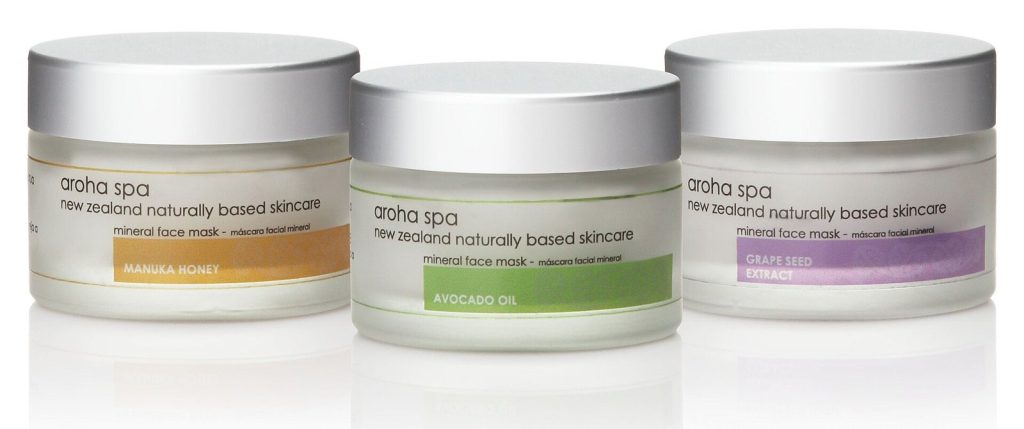
Start with a short, repeatable routine: cleanse in the morning and evening, use a targeted treatment only when you have a specific concern, moisturize with a lightweight oil-free or non-comedogenic formula, and apply broad-spectrum sunscreen every morning. Oily skin still needs hydration, so the practical goal is to manage shine without stripping the skin or making the routine too uncomfortable to maintain.
This is general skincare guidance, not an individualized acne-treatment plan. Persistent or severe blemishes, clogged pores, or another ongoing skin problem may require advice tailored to the specific condition rather than more products.
-
Evening routine order
- Remove makeup or sunscreen when needed
- Cleanse after the day
- Place treatments according to their type
- Moisturize before bed
The core skincare steps for oily skin
The essential sequence is simple:
Cleanser → targeted treatment when needed → moisturizer → sunscreen in the morning
At night, omit sunscreen and remove makeup or sunscreen before cleansing when necessary.
The treatment step is optional, not a requirement created by oiliness alone. Healthline identifies cleansing, toning, treatment, and moisturizing as parts of an oily-skin routine, while CeraVe discusses targeted products for concerns such as visible pores, acne blemishes, and post-acne marks (Healthline; CeraVe). If shine is your only concern, begin with the basic steps instead of adding several active products at once.
Morning routine order
A practical morning order is:
Cleanser → treatment, if needed → moisturizer → sunscreen
Cleanse with lukewarm water
Wash your hands, wet your face with lukewarm water, and massage a small amount of cleanser over the skin before rinsing. Pat your face dry with a clean towel. Exclusive Beauty Club recommends lukewarm rather than hot water because hot water can strip moisture from the skin (Exclusive Beauty Club).
Morning cleansing is part of the daily routine described by Healthline, and Cascade Eye & Skin Centers describes twice-daily washing as a way to remove excess oil, dirt, and impurities (Healthline; Cascade Eye & Skin Centers). Use a cleanser according to its directions rather than treating a tight, stripped feeling as proof that it is working.
Use a treatment only for a defined concern
If you are targeting clogged pores, blemishes, visible pores, post-acne marks, or another specific concern, add one appropriate treatment after cleansing. The cited oily-skin guidance discusses ingredients including salicylic acid, glycolic acid, lactic acid, benzoyl peroxide, and retinol as possible treatment options (Healthline; CeraVe). The ingredient should serve the concern; oiliness by itself does not mean every treatment belongs in the routine.
Do not assume that every treatment follows exactly the same placement. For lightweight treatments and serums, Exclusive Beauty Club places them after cleansing and before moisturizer, with morning treatments followed by moisturizer and SPF. Its guidance separately says retinol products should be applied as the last step in the routine (Exclusive Beauty Club). If retinol is the product you are using, follow its directions rather than automatically placing it in the general serum-before-moisturizer position. This narrower guide to skincare steps with retinol covers that specific routine question.
Moisturize lightly
After cleansing, or after a non-retinol treatment that the product directions place before moisturizer, apply a lightweight moisturizer. Look for an oil-free or non-comedogenic formula. “Non-comedogenic” means the product is formulated not to clog pores, a feature CeraVe highlights for oily skin (CeraVe).
Exclusive Beauty Club recommends applying moisturizer while the skin is still slightly damp and notes that oily skin may need less product than dry skin (Exclusive Beauty Club). The useful choice is not moisturizer versus no moisturizer. It is a lighter layer that feels comfortable enough to use consistently.
Finish with sunscreen
Apply broad-spectrum sunscreen as the final morning step. CeraVe’s guidance says sunscreen should be used every morning, including when it is cloudy or you are staying indoors, and cites the U.S. Food & Drug Administration recommendation of broad-spectrum SPF 15 or higher (CeraVe).
Texture matters because a sunscreen that pills or feels unpleasant can make the whole morning routine harder to follow. Skincare.com recommends looking for a formula that layers well under makeup and does not pill (Skincare.com).
Evening routine order
At night, use this sequence:
Makeup or sunscreen removal, if needed → cleanser → treatment according to its directions → moisturizer
Remove makeup or sunscreen when needed
If you wore makeup or sunscreen that needs to be removed before cleansing, follow the product’s removal instructions first. Then cleanse with lukewarm water and pat the skin dry.
Cleansing after exercise is another situation addressed in oily-skin guidance. Healthline includes washing after exercise among measures that can help manage oiliness, while Cascade Eye & Skin Centers connects regular cleansing with removing oil and impurities (Healthline; Cascade Eye & Skin Centers).
Place treatments according to their type
For a lightweight treatment or serum, use the product’s stated order; the cited guidance generally places these products after cleansing and before moisturizer. Retinol is the important exception to keep separate in your mental checklist: Exclusive Beauty Club’s guidance says to apply retinol as the last step in the routine (Exclusive Beauty Club).
That distinction prevents a general routine diagram from becoming an inflexible rule. The right order depends on the treatment instructions and the product category, not simply on whether your skin is oily.
Moisturize before bed
Finish the evening routine with a lightweight moisturizer when the product order calls for moisturizer after cleansing or treatment. Exclusive Beauty Club recommends gently pressing and smoothing moisturizer over the face and neck and allowing it to absorb before applying SPF in the morning (Exclusive Beauty Club). At night, there is no sunscreen step to add afterward.
How to choose products for oily skin
Choose by function first, then by texture and comfort.
| Routine step | What the guidance supports | Practical selection point |
|---|---|---|
| Cleanser | Morning and evening cleansing, with lukewarm water | Choose a cleanser you can use comfortably as directed |
| Treatment | Ingredients such as salicylic acid, glycolic acid, lactic acid, benzoyl peroxide, or retinol may address defined concerns | Match the treatment to the concern rather than adding one without a purpose |
| Moisturizer | Lightweight, oil-free, or non-comedogenic formulas | Keep hydration in the routine without choosing a texture that feels unnecessarily heavy |
| Sunscreen | Broad-spectrum protection every morning | Choose a formula that layers comfortably and does not pill under makeup |
Oily skin is not the same as hydrated skin. CeraVe states that oily skin requires hydration and that over-drying may cause the skin to produce even more oil in response (CeraVe). That is why a routine built only around removing shine can work against comfort and consistency.
A useful starting rule is to add one targeted product at a time. This keeps the basic sequence visible and makes it easier to identify which product is helping or making the routine uncomfortable. The cited guidance supports matching treatment choices to separate concerns such as blemishes, clogged pores, visible pores, post-acne marks, and shine rather than treating all oily skin as one problem (Healthline; CeraVe).
Optional steps for shine and clogged pores
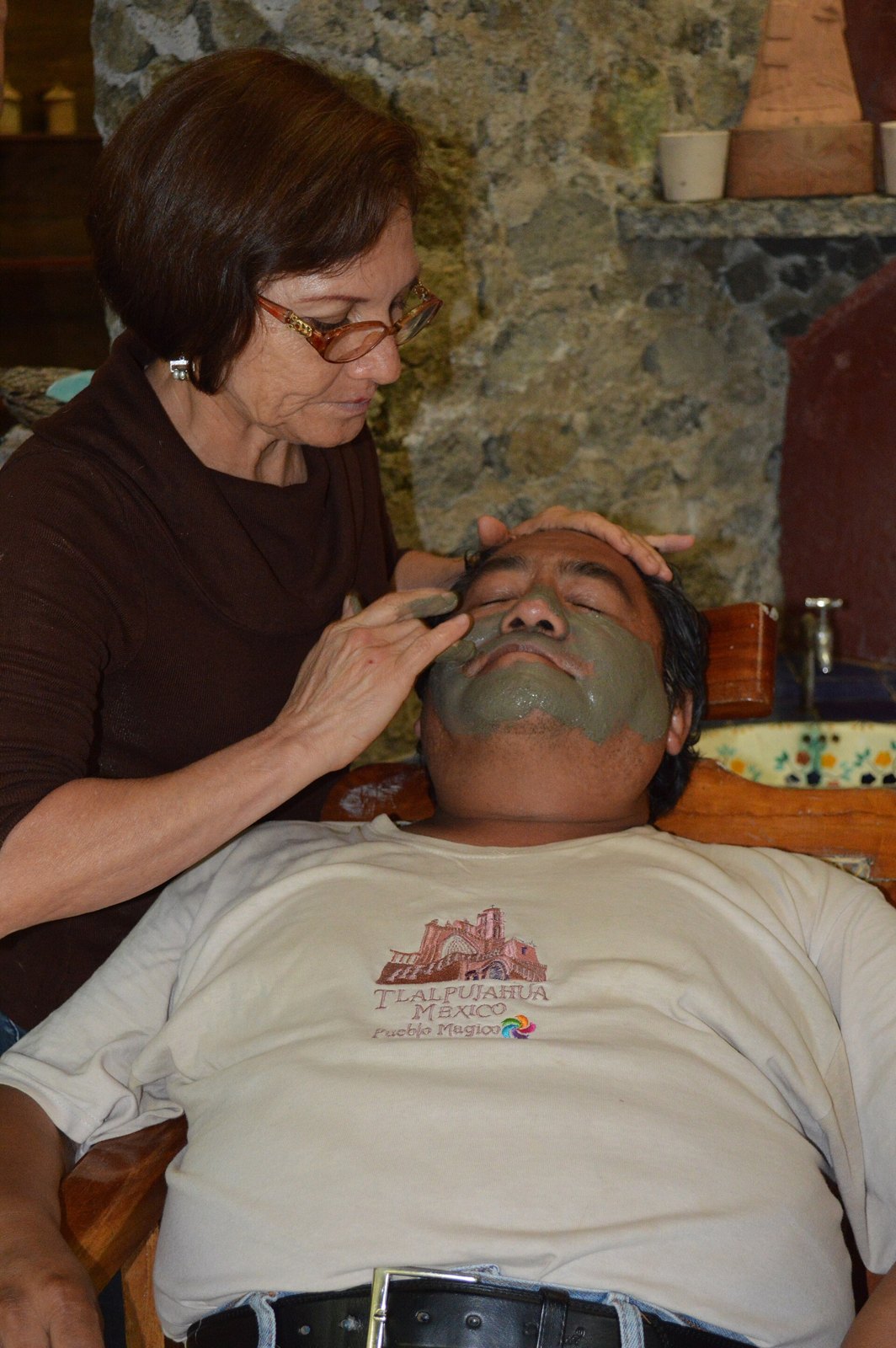
Extras are optional. Add them only when they address a particular concern and fit comfortably around the core routine.
Blotting papers for daytime shine
Blotting papers can help manage oiliness during the day without adding another full cleansing step. Healthline lists them as an option for managing shine (Healthline).
Clay masks for occasional use
A clay mask can be an occasional addition when clogged pores, blackheads, or excess shine are the main concerns. Skincare.com describes once-weekly use as an option, while Cascade Eye & Skin Centers describes clay masks as a one- to two-times-weekly addition (Skincare.com; Cascade Eye & Skin Centers). It is an extra step, not a replacement for cleansing, moisturizing, or sunscreen.
Toner for a specific purpose
Toner is not essential to the basic routine. Healthline includes toners containing salicylic acid, glycolic acid, or lactic acid among possible oily-skin steps (Healthline). If you choose one, treat it as a targeted product and account for its position when arranging the rest of your routine.
Mistakes that can make the routine harder to follow
Skipping moisturizer because your skin is oily
Oiliness does not eliminate the need for hydration. Use a lightweight, oil-free, or non-comedogenic moisturizer instead of removing the step altogether (CeraVe).
Using hot water
Hot water can strip moisture from the skin, according to Exclusive Beauty Club’s oily-skin guidance. Use lukewarm water instead (Exclusive Beauty Club).
Treating every product as if it has the same placement
A generic diagram is useful for orientation, but it should not override product-specific directions. Lightweight treatments and serums are described as going before moisturizer, while the cited retinol guidance places retinol at the last step. Keep that distinction in mind when planning an evening routine (Exclusive Beauty Club).
Making optional steps the foundation
Toner, blotting papers, and clay masks can have a place in an oily-skin routine, but the foundation remains cleansing, targeted care when needed, moisturizing, and morning sunscreen. Start with those steps before adding extras.
Choosing sunscreen you will avoid using
Sunscreen is the final morning step in the cited guidance. A formula that layers comfortably under makeup or fits your preferred texture is more practical than one you regularly avoid because of pilling or feel (CeraVe; Skincare.com).
When a basic oily-skin routine is not enough
A basic routine can address cleansing, hydration, shine, and commonly discussed concerns such as blemishes or clogged pores. It cannot determine which underlying issue is causing persistent or severe skin problems. If your main concern is ongoing acne or another condition rather than ordinary shine, individualized medical advice may be more appropriate than adding more routine steps.
For a narrower acne-focused approach, see this simple acne-prone skin routine, which covers a different search intent.
Frequently asked questions
What are the main skincare steps for oily skin?
Cleanse in the morning and evening, use a targeted treatment when needed, moisturize with a lightweight oil-free or non-comedogenic formula, and apply broad-spectrum sunscreen every morning. Blotting papers, toner, and clay masks are optional additions rather than requirements (Healthline; CeraVe).
Should oily skin use moisturizer?
Yes. CeraVe recommends a non-comedogenic, oil-free moisturizer for oily skin and says over-drying may cause the skin to produce more oil in response. Choose a lightweight texture rather than skipping moisturizer (CeraVe).
Where should retinol go in an oily-skin routine?
Do not automatically place retinol in the same position as every lightweight serum. Exclusive Beauty Club’s cited guidance says to apply retinol as the last step in the routine, while it places other lightweight treatments before moisturizer. Follow the retinol product’s own directions and keep that distinction separate from the general treatment-before-moisturizer sequence (Exclusive Beauty Club).
Is toner necessary for oily skin?
No. Toner is an optional step. Healthline lists acid-containing toners as possible options, but the basic routine can be built around cleansing, treatment when needed, moisturizing, and sunscreen (Healthline).
What can help with daytime shine?
Blotting papers are one option identified by Healthline for managing oiliness during the day. A clay mask is another occasional option when clogged pores, blackheads, or excess shine are the main concerns (Healthline; Skincare.com).
Sources
- Skin Care Routine for Oily Skin: Key Steps for Healthy Skin — Healthline
- Skincare Routine For Oily Skin — Exclusive Beauty Club
- A Gentle Skincare Routine for Oily Skin — CeraVe
- Morning and Nighttime Skincare for Oily Skin — Skincare.com
- Oily Skin Routine for Best Results — Cascade Eye & Skin Centers