Start with three low-irritant products: a gentle cleanser, a fragrance-free moisturiser and a broad-spectrum SPF 50+ sunscreen. This basic routine has a clearer role than a large “redness relief” collection, and it allows you to judge how your skin responds before adding an optional product such as niacinamide.
Australian rosacea guidance consistently prioritises sensitive-skin formulations, minimal ingredients, gentle application and daily sun protection. Named examples include Avène Extragentle Cleansing Lotion, Avène Cicalfate+ Restorative Protective Cream and La Roche-Posay Toleriane Ultra Light Sensitive Moisturiser. These are starting points, not guaranteed matches for every person with rosacea-prone skin.
This article focuses on choosing routine skincare products. It does not cover prescription or medical rosacea treatment.
- What to buy first
- Choose a cleanser that does not exfoliate
- Match the moisturiser to a comfortable texture
- Make sunscreen a core purchase
- Add niacinamide only if it fills a gap
- Products and techniques to approach cautiously
- Introduce new products one at a time
- Use this checklist while shopping
- Sources
What to buy first
Build your routine in this order:
- A gentle cleanser without exfoliating particles or acids.
- A fragrance-free moisturiser containing hydrating or barrier-supporting ingredients.
- A broad-spectrum SPF 50+ sunscreen with a texture you can use consistently.
- One optional product, added only after the first three products feel comfortable together.
Skindepth recommends minimal-ingredient, fragrance-free products and daily mineral SPF 50+, while Dr Davin Lim advises choosing low-irritant, sensitive-skin formulations and avoiding both physical and chemical exfoliation (Skindepth; Dr Davin Lim).
| Routine step | What to look for | Examples named in Australian guidance | Main buying consideration |
|---|---|---|---|
| Cleanser | Gentle, sensitive-skin and non-exfoliating formula | Rationale #4 Cleanser; Avène Extragentle Cleansing Lotion | Avoid brushes, scrubs and exfoliating acids |
| Moisturiser | Fragrance-free formula with hydrating or barrier-supporting ingredients | Avène Cicalfate+ Restorative Protective Cream; La Roche-Posay Toleriane Ultra Light Sensitive Moisturiser | Choose a texture that does not feel excessively greasy or occlusive |
| Sunscreen | Broad-spectrum SPF 50+; zinc oxide or titanium dioxide if well tolerated | Select by filters, comfort and finish rather than a redness claim | Mineral filters can be difficult to blend; other filters may suit people who tolerate them |
| Optional product | One ingredient that serves a defined purpose | A niacinamide cream or serum | Introduce it separately so discomfort is easier to trace |
Labels such as “sensitive,” “calming” and “redness relief” may help narrow the shelf, but they do not establish that a formula will suit your skin. The more practical test is whether the product remains comfortable when used as part of your complete routine.
Choose a cleanser that does not exfoliate
A cleanser for rosacea-prone skin does not need to polish, resurface or provide an unusually deep clean. Its role is to cleanse without combining washing with physical or chemical exfoliation.
Skindepth names Rationale #4 Cleanser and Avène Extragentle Cleansing Lotion as options. Dr Davin Lim specifically advises against physical brushes and chemical acids for exfoliating rosacea-prone skin (Skindepth; Dr Davin Lim).
When comparing cleansers, prioritise:
- A formula intended for sensitive skin
- No scrubbing particles or polishing beads
- No exfoliating acid as the product’s main feature
- A texture that can be removed without repeated rubbing
- A comfortable finish rather than a tight, stripped feeling
Application matters too. A mild cleanser used with your fingertips fits the low-irritation approach better than the same cleanser paired with an abrasive brush. If a product repeatedly feels uncomfortable, its marketing category is less important than your skin’s response.
Match the moisturiser to a comfortable texture
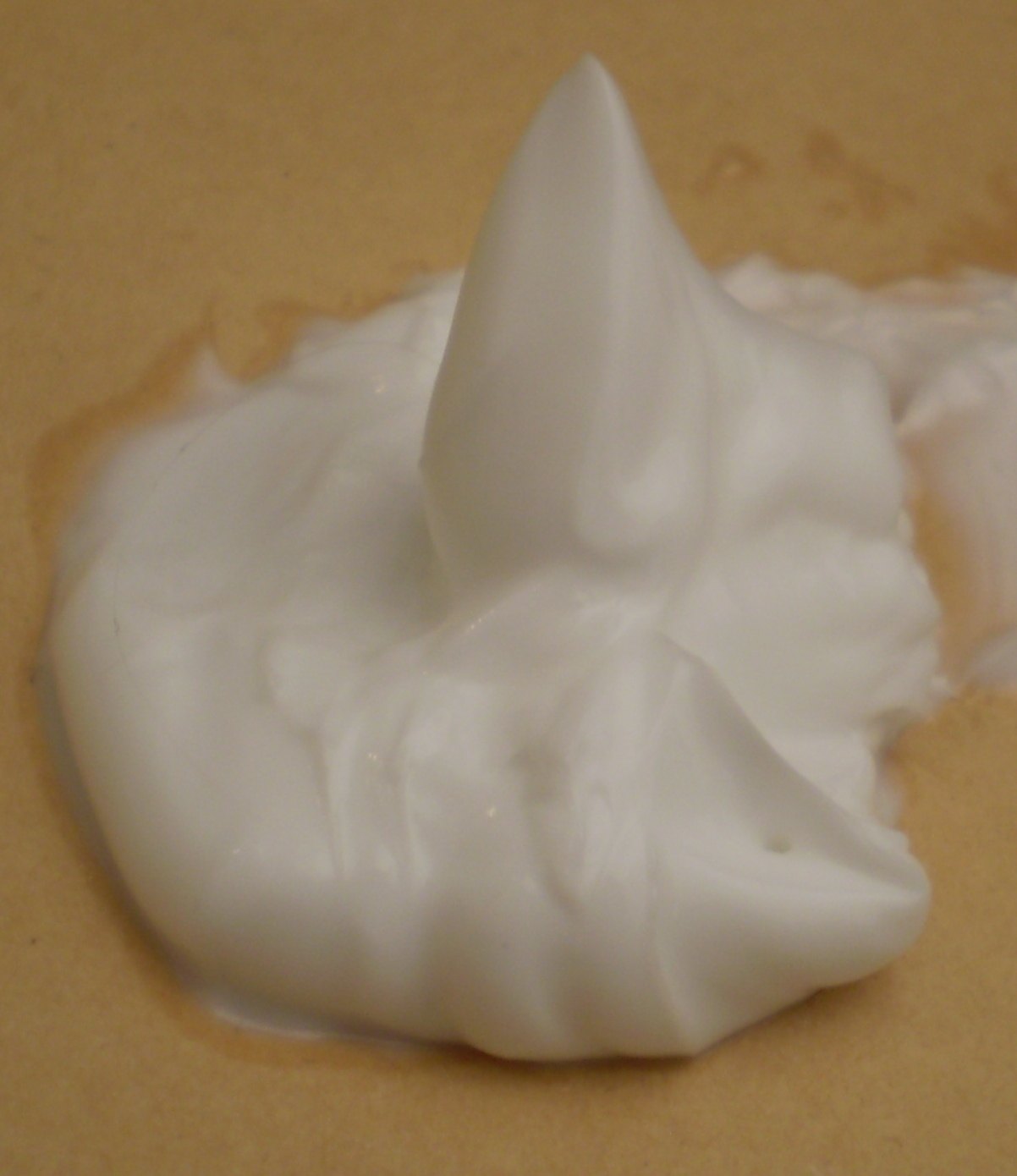
There is no single universal “rosacea cream.” Look instead for a fragrance-free moisturiser that provides hydration and barrier support in a texture you are willing to use regularly.
Dermatologists cited by Business Insider recommend looking for ceramides and humectants while avoiding fragrance and other potential irritants. These features make a moisturiser a more relevant candidate, but they do not guarantee that it will address every rosacea concern or suit every person (Business Insider).
Two examples named by Australian sources are:
- Avène Cicalfate+ Restorative Protective Cream, described by Skindepth as a ceramide-rich, fragrance-free option
- La Roche-Posay Toleriane Ultra Light Sensitive Moisturiser, selected by Melbourne Skin & Dermatology Clinic as its gentle moisturiser pick (Skindepth; Melbourne Skin & Dermatology Clinic)
Texture can determine which type makes more sense. A richer protective cream may appeal when a light lotion does not feel sufficient. A lighter moisturiser may be easier to use when heavy products feel greasy or overly occlusive.
Do not assume that richer automatically means better. Dr Davin Lim emphasises that the formulation needs to be pleasant enough to use; a product that feels too greasy or occlusive is unlikely to remain part of the routine (Dr Davin Lim).
Make sunscreen a core purchase
Sunscreen belongs alongside cleanser and moisturiser rather than at the end of a long optional shopping list. Melbourne Skin & Dermatology Clinic calls sunscreen a cornerstone of rosacea management and recommends a broad-spectrum product with at least SPF 30. Skindepth recommends daily mineral SPF 50+ for rosacea in Australia (Melbourne Skin & Dermatology Clinic; Skindepth).
For a new purchase, broad-spectrum SPF 50+ is a straightforward starting criterion. Australian rosacea guidance points to the mineral filters zinc oxide and titanium dioxide as options that may be less irritating for reactive skin.
That preference does not mean every mineral sunscreen will feel comfortable or that other filters must always be rejected. Melbourne Skin & Dermatology Clinic notes that physical filters can be difficult to blend, while Dr Davin Lim says chemical sunscreens remain an option when tolerated (Melbourne Skin & Dermatology Clinic; Dr Davin Lim).
Compare sunscreens by asking:
- Is the product broad-spectrum and SPF 50+?
- Can you apply it without excessive rubbing?
- Does it remain comfortable on your skin?
- Is its texture and finish practical enough for regular use?
When outdoors, Melbourne Skin & Dermatology Clinic recommends reapplying every two to three hours. Follow the directions on the particular sunscreen as well (Melbourne Skin & Dermatology Clinic).
Add niacinamide only if it fills a gap
Once your cleanser, moisturiser and sunscreen work comfortably together, consider whether another product would serve a specific purpose. A separate serum is not automatically necessary simply because its featured ingredient appears in rosacea-focused ranges.
Niacinamide appears in several products recommended by Australian rosacea sources. Skindepth names Rationale #1 Crème and Aspect Doctor Multi B, while Melbourne Skin & Dermatology Clinic names Propaira Skin Defence serum with 10% niacinamide (Skindepth; Melbourne Skin & Dermatology Clinic).
Treat niacinamide as an optional addition, not a required fourth step. If your moisturiser already meets your needs, a separate serum increases the routine’s cost and complexity without necessarily filling a distinct role.
If you decide to try one, introduce it separately rather than at the same time as another product. That makes it easier to identify the cause if discomfort develops.
Products and techniques to approach cautiously
A rosacea routine does not need to include every popular skincare category. The clearest exclusions in Australian guidance are physical and chemical exfoliation.
Approach these cautiously:
- Facial scrubs and polishing powders
- Cleansing brushes and abrasive tools
- Exfoliating acid products
- Fragranced skincare
- Several new serums introduced at once
- Multi-active products that make the source of discomfort difficult to identify
“Natural,” “clean,” “professional” and “dermatologist tested” do not tell you whether the complete formula will feel comfortable on your skin. Likewise, a brand’s dedicated rosacea collection is still a group of commercial products, not evidence that every item needs to be used together.
Avoid buying an entire range before trying its basic products. Starting with one cleanser, one moisturiser and one sunscreen limits unnecessary spending and reduces the number of variables in the routine.
Introduce new products one at a time
Melbourne Skin & Dermatology Clinic recommends patch testing, and Dr Davin Lim specifically advises patch testing ascorbic acid products (Melbourne Skin & Dermatology Clinic; Dr Davin Lim).
Use a controlled introduction process:
- Keep the products you already tolerate unchanged.
- Test the new product on a small area first.
- If it remains comfortable, begin using it conservatively according to its directions.
- Wait before introducing another new product.
- Remove the latest addition if discomfort becomes stronger or does not settle.
Testing several products at once makes it difficult to determine which formula caused a problem. This matters most with optional products: add them only after you know the cleanser, moisturiser and sunscreen work together.
Use this checklist while shopping
Before placing an order or filling a pharmacy basket, make sure every product has a defined role.
Buy first:
- One gentle, non-exfoliating cleanser
- One fragrance-free moisturiser with a texture you like
- One comfortable broad-spectrum SPF 50+ sunscreen
Consider later:
- A niacinamide cream or serum if it fills a specific gap in the routine
Leave out initially:
- Scrubs, cleansing brushes and exfoliating acids
- Several serums with overlapping claims
- A complete redness range that duplicates routine steps
- Multiple units of a product you have not tested
The most useful first purchase is a coordinated three-product routine, not an elaborate rosacea kit. Choose products that cleanse without exfoliating, moisturise without an uncomfortable finish and provide broad-spectrum sun protection. Once those three steps feel comfortable together, you can make a clearer decision about whether an optional product is worth adding.
Sources
- Best Rosacea Treatment Australia — Skindepth
- Professional Rosacea Skin Care in Australia — Dr Davin Lim
- Gentle Skincare in Rosacea — Melbourne Skin & Dermatology Clinic
- Best Moisturizers for Rosacea: Recommendations From Dermatologists — Business Insider