Choose the checker by the concern you want to investigate, not by whether it gives a product a simple green, red, or overall rating. SkinSort is suited to a broad ingredient breakdown, ScanSkinAI focuses on explanations and concern-specific flags, Ecogolik separates personal-use criteria from environmental criteria, and Personal Day and Sofie Pavitt Face concentrate on acne or pore-clogging checks.
These tools are screening aids rather than diagnostic tests. SkinSort notes that individual skin responses vary, while ScanSkinAI describes its checker as educational and says it does not diagnose skin conditions or replace consultation with a qualified clinician. The useful result is therefore the reason behind a flag—not a score treated as a guarantee.
- How the skincare ingredient checkers compare
- Which skincare ingredient checker fits your concern
- How to check a product accurately
- How to interpret a flagged ingredient
- When the checker is not enough
- Sources
How the skincare ingredient checkers compare
The main difference is not simply that one tool gives a higher or lower result. Each checker looks for a different set of concerns and presents the result in a different way.
| Ingredient checker | Categories or concerns described | How you use it | Best fit |
|---|---|---|---|
| SkinSort | Ingredient functions, common allergens, fungal-acne triggers, and ingredients it categorizes as non-reef-safe | Paste an ingredient list or upload a label photo | A broad ingredient explanation and convenient label checking |
| ScanSkinAI | Commonly reported irritants, allergens, pore-clogging ingredients, and fungal-acne triggers | Copy and paste the ingredient list | Plain-English explanations and suggested next steps |
| Ecogolik | Parabens, sulfates, alcohol, silicones, allergens, comedogenic ingredients, and substances restricted by certain eco-certification standards | Copy and paste an ingredient list | Personal-use and environmental criteria in the same check |
| Personal Day | Ingredients it identifies as acne triggers | Paste a comma-separated list | A focused acne-related screen |
| Sofie Pavitt Face | Ingredients it classifies as pore-clogging | Paste a product list and select “Analyze” | A focused non-comedogenic check |
The tools are not interchangeable. A checker looking for pore-clogging ingredients is answering a narrower question than one that explains ingredient functions or adds environmental criteria. When two tools categorize the same formula differently, read the category and explanation rather than assuming that one overall result settles the question.
Which skincare ingredient checker fits your concern
Choose SkinSort for a broad ingredient breakdown
SkinSort’s ingredient analyzer is the most suitable option in this group when you want to understand what individual ingredients are intended to do. Its page says the tool can analyze a cosmetic ingredient list, break down ingredient functions, and flag common allergens, fungal-acne triggers, and non-reef-safe ingredients.
It also accepts either pasted text or a photo of the product label. That makes it a practical starting point when you are comparing products and want more than a single warning category.
SkinSort describes its claims as backed by peer-reviewed research and says it independently verifies ingredient science. That describes the site’s stated methodology; it does not mean that every flag predicts how your skin will respond. SkinSort also says that everyone’s skin is different and that finding compatible products can involve trial and error.
Choose SkinSort when: you want ingredient functions, several screening categories, or the option to upload a label photo.
Choose ScanSkinAI for explanations and suggested next steps
ScanSkinAI flags commonly reported irritants, allergens, pore-clogging ingredients, and fungal-acne triggers. Its result format adds two useful layers: a plain-English explanation of why an ingredient was flagged and suggestions about what to do next, such as patch testing, swapping products, or seeking professional advice.
That format helps when a warning alone is too vague. “Flagged” can refer to different categories, and the appropriate response depends on whether the concern is an allergen, an irritant, a possible pore-clogger, or a fungal-acne trigger. ScanSkinAI presents the checker as an educational tool, not as a way to diagnose a skin condition.
Choose ScanSkinAI when: you want a concern-specific explanation and practical options for what to consider next.
Choose Ecogolik when environmental criteria affect the purchase
Ecogolik evaluates ingredients through two stated factors: “Safe for You” and “Safe for Planet.” Its checker covers categories including parabens, sulfates, alcohol, silicones, allergens, comedogenic ingredients, and ingredients it associates with eco-certification restrictions.
This makes Ecogolik different from a checker focused only on skin-related concerns. The site explains that an ingredient it considers safe for use in cosmetics may still receive a poor rating if it pollutes nature. Ecogolik also states that its ratings are the personal opinions of its creators and are based on the information available to them.
Read the reason for the rating before treating it as relevant to your decision. A result driven by an environmental criterion answers a different question from a result driven by an allergen or comedogenicity category.
Choose Ecogolik when: environmental impact and eco-certification criteria belong in your product comparison alongside skin-related screening.
Choose Personal Day or Sofie Pavitt Face for a narrow acne screen
Personal Day asks users to paste a product’s ingredient list, with ingredients separated by commas and other symbols removed. It then identifies acne triggers according to its checker. The page also gives examples of ingredients that may appear in its acne-focused screening, including coconut oil, shea butter, acetylated lanolin, and isopropyl myristate.
Sofie Pavitt Face’s checker is similarly narrow: paste a skincare or makeup ingredient list, select “Analyze,” and the tool flags pore-clogging ingredients it finds.
The advantage of both tools is focus. If your immediate question is whether a formula contains an ingredient on an acne or pore-clogging screen, you can avoid working through categories that are not relevant to that question. The limitation is the same: the result does not provide the broader ingredient-function, environmental, or multi-category view offered by other checkers.
If breakouts are your main concern, use the result as one input while keeping the rest of your routine simple. A simple acne-prone skincare routine can help organize that broader routine context; the checker itself only addresses the categories it is designed to screen.
Choose either when: you want a quick acne-trigger or pore-clogging check rather than a broad formula explanation.
How to check a product accurately
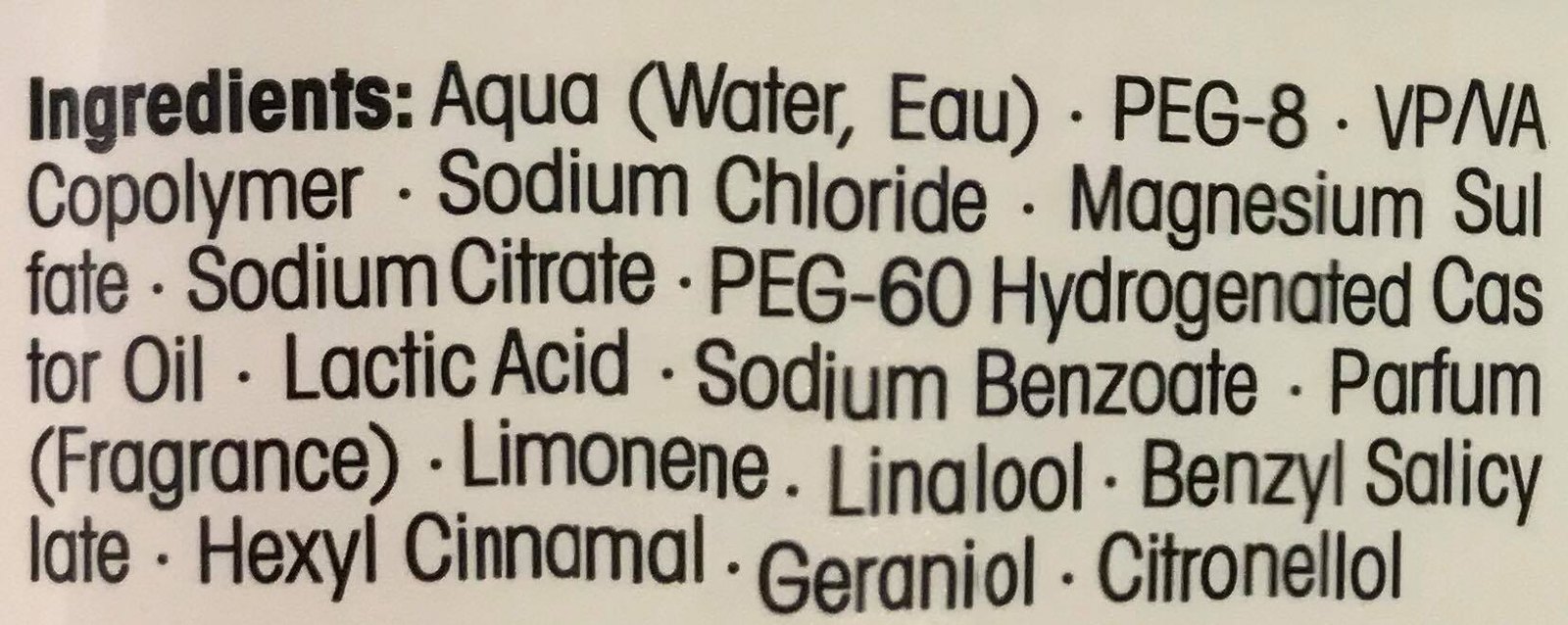
Start with the complete ingredient list from the product packaging or the brand’s website. ScanSkinAI specifically describes finding the ingredient list on packaging or a website, and SkinSort says users can paste the list into its analyzer or upload a label photo.
Use this process:
- Capture the entire list. Do not check only the first few ingredients if the tool requires the full formula.
- Follow the checker’s formatting instructions. Personal Day asks for ingredients separated by commas and says to remove other symbols.
- Note the category behind each result. Record whether the tool identified an allergen, irritant, pore-clogging ingredient, fungal-acne trigger, acne trigger, or environmental concern.
- Match the category to your actual question. A “Safe for Planet” concern from Ecogolik should not be read as the same type of result as a pore-clogging flag.
- Use explanations where available. ScanSkinAI’s “Why flagged” and “What to do next” information can provide more context than a color or overall rating.
- Compare tools only when the distinction matters. If a purchase depends on one classification, checking the formula through a second category-specific tool can show whether the result is limited to one checker’s criteria.
This approach keeps the tool in its proper role: a way to organize questions about a product’s listed ingredients.
How to interpret a flagged ingredient
A flag means that the ingredient matches a category used by that checker. It does not tell you, by itself, that the product is unsuitable for you.
Use four questions to interpret the result:
- What category produced the flag? An allergen, irritant, pore-clogger, fungal-acne trigger, and environmental concern have different meanings.
- Does that category match your reason for checking? If you are comparing products for acne-related concerns, an environmental rating may not answer your immediate question.
- What explanation does the checker provide? A plain-language reason is more useful than an unexplained red label.
- What does the tool say about uncertainty or individual response? SkinSort explicitly notes that skin responses vary and that finding suitable products can take trial and error.
A clear result should be read just as carefully. “No flagged ingredients” means that the checker did not identify a match under its categories. It is not a diagnosis, and it does not remove the possibility that your individual response may differ.
The most useful question is not “Did the product pass?” It is “What did this checker identify, what category does it belong to, and does that category match the concern I am trying to investigate?”
When the checker is not enough
A skincare ingredient checker cannot diagnose a skin condition. ScanSkinAI explicitly says its tool is educational, does not diagnose skin conditions, and is not a substitute for consultation with a qualified clinician.
That limitation matters when you are trying to identify the cause of a skin problem rather than compare listed ingredients. In that situation, treat the scan as background information and seek qualified clinical guidance instead of using an automated result as a diagnosis.
For ordinary product comparison, choose the tool according to the decision you are making:
- Use SkinSort for ingredient functions and several broad screening categories.
- Use ScanSkinAI for plain-English explanations and suggested next steps.
- Use Ecogolik when personal-use and environmental criteria both matter.
- Use Personal Day for an acne-trigger screen.
- Use Sofie Pavitt Face for a pore-clogging check.
Then read the reason behind each result before deciding what the flag means for your comparison.
Sources
- SkinSort Skincare Ingredient Checker
- ScanSkinAI Cosmetic Ingredient Checker
- Ecogolik Ingredients Checker
- Personal Day Ingredient Checker
- Sofie Pavitt Face Non-Comedogenic Ingredients Checker