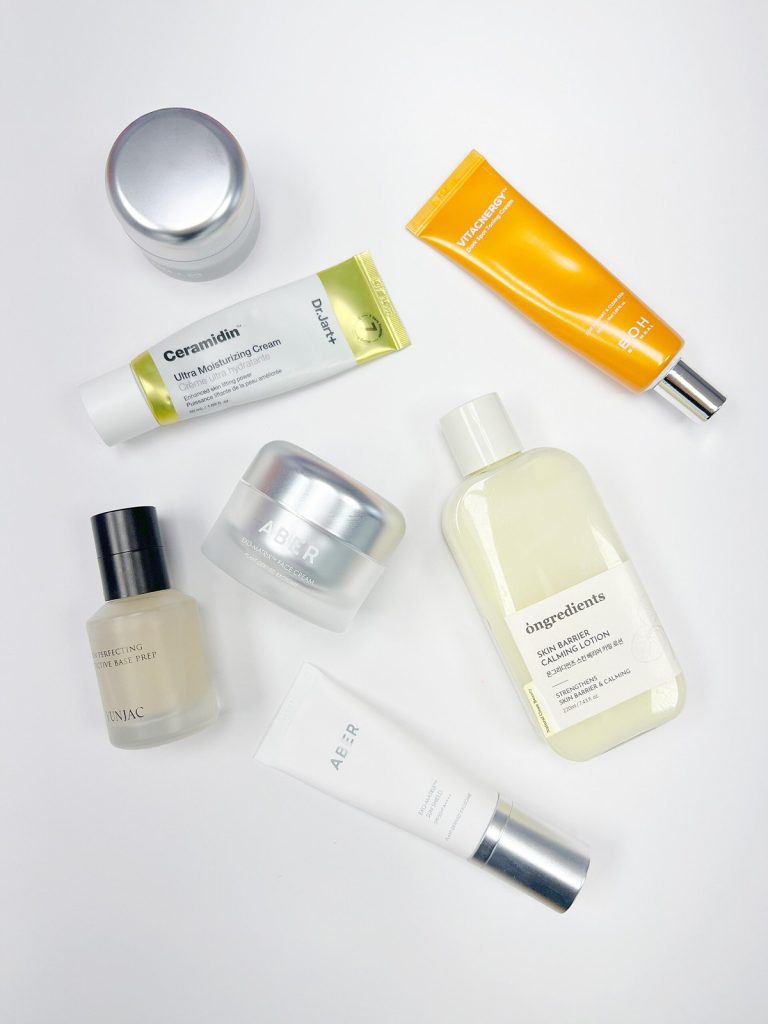
How to compare skincare brands
“Skincare brands” can refer to several different things: names appearing in a popularity ranking, brands listed by a retailer, products featured in a dermatologist-led video, or products selected by editors. These sources answer different questions and should not be treated as interchangeable.
| Comparison lens | Supplied source | What it can help you identify | Important limitation |
|—|—|—|—|
| Displayed ranking metrics | YouGov’s U.S. skincare and cosmetics brands page | Brands included in YouGov’s displayed ranking and the two percentages shown for each entry | The supplied excerpt does not define what either percentage measures |
| Brand directory | Wikipedia’s skin care brands category | A broad list of brand names and related category pages | The page says the list may not reflect recent changes and does not rank or evaluate the brands |
| Retail categories and featured brands | Ulta Beauty’s skincare section | Product categories and brands featured on Ulta’s page | Featuring or listing on Ulta does not establish overall market availability, quality, or popularity |
| Video-specific selection | Doctorly’s “Dermatologists’ Most Underrated Skincare Brands of 2026” | Brands and products included in that particular video | The supplied excerpt does not establish dermatologist consensus or suitability for every person |
| Editorial selection | Vogue’s skincare coverage | Products highlighted through editorial descriptions and editor experience | Editorial selection is not the same as a popularity ranking or clinical evaluation |
Brands shown in YouGov’s displayed ranking
The YouGov U.S. skincare and cosmetics brands page displays a ranking headed “The most popular skincare & cosmetics brands in America 2026.” In the supplied excerpt, the first entries are Vaseline, Neutrogena, Bath & Body Works, Olay, CeraVe, Softsoap, Aveeno, Nivea, Aquaphor, Secret, Gold Bond, and Johnson’s Baby. The excerpt also shows Jergens, Coppertone, Ulta Beauty, Banana Boat, L’Oréal Paris, Cetaphil, Eucerin, and Maybelline.
The page displays two percentages for each entry. For example, Vaseline appears with 97% and 71%, while Neutrogena appears with 93% and 65%. The supplied excerpt does not define what those percentages represent. They should therefore be described as YouGov’s displayed metrics rather than as verified measures of product quality, satisfaction, or positive ratings.
This ranking can be used to identify the names included in YouGov’s U.S. list and to compare the displayed figures within that source. It cannot, on the basis of the supplied excerpt alone, establish that one brand is better than another or that every product from a listed brand suits a particular skin type or concern.
The broader brand landscape
Wikipedia’s skin care brands category provides a broader directory. The supplied excerpt says that 49 pages appear in the category and warns that the list may not reflect recent changes. It includes CeraVe, Neutrogena, Olay, Gold Bond, Johnson’s Baby, Dermalogica, Dr. Jart+, Drunk Elephant, Origins, Proactiv, Saie, Veet, Burt’s Bees, Blistex, Clearasil, EOS, Epilogic, Innisfree, Jurlique, Korres, Noxzema, and Selsun Blue, among other names.
The category is useful for discovery, but it is not a ranking or product assessment. A brand’s inclusion there does not provide evidence about its performance, ingredients, price, or suitability.
Comparing brands by product category
Ulta Beauty’s skincare section organizes its page into categories including:
- Cleansers
- Moisturizers
- Treatment and serums
- Eye treatments
- Suncare
- Skincare tools
- Travel-size skincare
- Skin gifts
This structure supports a product-first comparison. Instead of asking which brand is best overall, start with the type of product you are comparing and then review the brands and products shown in that category. The supplied page also features The Ordinary, Drunk Elephant, Good Molecules, La Roche-Posay, Peach & Lily, and Hero Cosmetics in its featured-brands carousel.
The page includes a “Dermatologist-Recommended” shopping area and a skincare quiz. The supplied information does not explain the criteria behind that shopping area or how the quiz produces results, so those features should be treated as ways to organize shopping rather than as independently verified endorsements.
Brands and products included in Doctorly’s video
Doctorly’s video, “Dermatologists’ Most Underrated Skincare Brands of 2026”, is another source-specific selection. The supplied description includes products from Eucerin, Maelove, Cetaphil, Vanicream, Nécessaire, Then I Met You, Geek & Gorgeous, Niche Beauty Lab, Laboré, and Illiyoon. Examples listed in the description include:
- Eucerin tinted mineral sunscreen, eczema-relief cream, intensive repair lotion, and a daily face lotion with SPF 30
- Maelove retinal, brightening, and peptide products
- Cetaphil oil-absorbing moisturizer with SPF 30, vitamin C serum, and acne-focused cleanser and moisturizer
- Vanicream facial moisturizer with mineral SPF 30, facial cleanser, and moisturizing cream
- Illiyoon Ceramide Ato Lotion
The video’s title and channel labeling support describing this as a selection presented in a dermatologist-related video. The supplied excerpt does not identify the presenter’s qualifications beyond showing the verified Doctorly channel, does not establish dermatologist consensus, and does not show that the featured products are appropriate for every person or skin concern. “Underrated” is the video’s framing, not a universal measurement.
Editorially selected products in Vogue’s coverage
Vogue’s skincare coverage presents a different lens: editorially selected products accompanied by descriptions and editor experience. The supplied excerpt highlights Yon-Ka’s Phyto-Aromatic Treatment Mist, Epilogic’s Master Plan serum, and Xirü’s Face and Body Gua Sha and Cacay Firm & Nourish Elixir Body Oil.
The excerpt includes comments about texture, use, design, and personal experience. Those details can help readers discover products that editors found notable, but they should not be treated as evidence of broad consumer popularity, dermatologist consensus, or universal suitability.
A practical skincare-brand comparison checklist
Use the following checklist to keep the comparison tied to the question you are trying to answer:
- Are you comparing recognition or a specific product? Use YouGov’s page for its displayed ranking metrics, but do not infer what the percentages mean from the supplied excerpt.
- What product category do you need? Use Ulta’s categories—such as cleansers, moisturizers, treatments and serums, eye treatments, or suncare—to narrow the comparison before choosing a brand.
- What does the source actually show? A Wikipedia category shows inclusion in a directory; an Ulta carousel shows featuring on Ulta’s page; Doctorly’s description shows products included in one video; and Vogue’s article shows editorial selections.
- Which product details matter for your comparison? Review the specific product’s intended use, ingredient list, price, availability from the retailer or seller you are considering, and how your skin tolerates it.
- Are you treating a selection as a verdict? Avoid turning a displayed ranking, retailer feature, video selection, or editor comment into a universal claim that a brand or product is best.
The supplied sources support different kinds of comparisons. The most careful approach is to use the ranking for its displayed metrics, the directory for discovery, the retailer page for categories and featured listings, the Doctorly video for its own product selection, and Vogue for editorial discovery. Then compare the individual products rather than assuming that a brand’s appearance in one source applies equally to all of its products.
Back to top