The most useful way to identify skincare brands that test on animals is to check the exact brand, its parent company, the markets where it sells, and any brand-level certification. A short “we do not test on animals” statement may not answer whether testing is required in a sales market, performed by another party, or covered by a different policy within the same corporate group.
The sources cited here identify or flag brands including Bioderma, Kiehl’s, NARS, Neutrogena, Estée Lauder, Clinique, Bobbi Brown, La Mer, Origins, Benefit, and L’Oréal. Their reasons for appearing on these lists are not identical, and the lists use their own criteria. Treat the examples as a screening point, not as a permanent substitute for checking a brand’s current policy and certification status.
- Which skincare brands are identified by the cited sources
- Why a brand’s own testing statement may be incomplete
- Cruelty-free and vegan are separate checks
- How to check a skincare brand before buying
- What brand-level certifications and exceptions show
- What to do when the policy is unclear
- Sources
Which skincare brands are identified by the cited sources
The following names appear in the cited animal-testing lists or corporate-policy discussions. Some are skincare brands, while others are broader beauty companies or parent companies with skincare products in their portfolios.
| Brand or company | What the cited source says |
|---|---|
| Bioderma | NotToDieFor identifies Bioderma as not cruelty-free and says it tests products on animals to sell them in China. The same assessment also discusses animal-derived ingredients. (NotToDieFor) |
| Kiehl’s | NotToDieFor says Kiehl’s follows the animal-testing policy of parent company L’Oréal, acknowledges testing where required by law, and is sold in mainland China. (NotToDieFor) |
| NARS | NotToDieFor identifies NARS as part of Shiseido and says the brand sells its products in China. (NotToDieFor) |
| Neutrogena | NotToDieFor says Neutrogena’s statement does not rule out testing by others on its behalf and identifies the brand as available in countries with mandatory animal testing. (NotToDieFor) |
| Estée Lauder | PETA identifies Estée Lauder among beauty brands whose products are still tested on animals. (PETA) |
| Clinique, Bobbi Brown, La Mer, and Origins | PETA identifies these brands as Estée Lauder subsidiaries that still test products on animals. (PETA) |
| Benefit | PETA includes Benefit among beauty brands whose products are still tested on animals. (PETA) |
| L’Oréal | PETA says L’Oréal does not test cosmetics on animals in the United States but pays for testing in China, where testing is required for many cosmetics. (PETA) |
| Shiseido and other Japanese cosmetics companies | The cosmetics-testing overview says Shiseido has ended much, but not all, of its animal testing, while many other leading Japanese cosmetics companies still test on animals. (Wikipedia) |
CrueltyFreeKitty’s company list contains hundreds of companies and says it is not exhaustive. It also notes that many brands are owned by large corporations, including L’Oréal, Estée Lauder, Procter & Gamble, Johnson & Johnson, and Unilever. Parent-company ownership can reveal a policy issue worth investigating, but it is not conclusive by itself: the list also describes exceptions in which brands remain cruelty-free under ownership by a company that tests on animals. (CrueltyFreeKitty)
Why a brand’s own testing statement may be incomplete
A brand may say that it does not test its products on animals, but that statement needs context. The important questions are whether the policy covers testing by suppliers or other parties, whether it includes ingredients as well as finished products, and whether it addresses markets where testing is required by law.
Estée Lauder’s policy illustrates the distinction. The company says it does not test its products on animals and does not ask others to test for it. It also acknowledges that its brands are sold in countries where animal testing on cosmetics or cosmetic ingredients is required by law. The company says some regulatory bodies require testing of products or ingredients on animals to demonstrate cosmetics safety. (Estée Lauder Companies)
L’Oréal provides another example of why a statement can vary by market. PETA says the company does not test cosmetics on animals in the United States but pays for testing in China, where testing is required for many cosmetics. A statement about what happens in one country does not necessarily describe the company’s position in every market. (PETA)
Before accepting a cruelty-free claim, check whether it answers these questions:
- Does the brand sell in a market where animal testing on cosmetics or cosmetic ingredients is required by law?
- Does the policy cover ingredients as well as finished products?
- Does it address suppliers and other parties?
- Does it apply to the specific brand or only describe the parent company?
- Does a named certification apply to the exact brand you want to buy?
The limitation is important: the cited lists and company policies can change, and they apply different standards. If a brand’s status matters to your purchase, check the current brand policy and certification rather than relying only on an older list or retailer description.
Cruelty-free and vegan are separate checks
“Cruelty-free” concerns animal testing. “Vegan” concerns whether a product contains ingredients derived from animals or animal by-products. The cited assessment of Bioderma discusses both animal-derived ingredients and animal testing, showing why these issues should be reviewed separately. (NotToDieFor)
That distinction is practical rather than interchangeable: checking a product for animal-derived ingredients does not, by itself, answer the company’s animal-testing policy, and checking an animal-testing claim does not establish that every ingredient is plant-based or synthetic.
If you want to avoid both animal testing and animal-derived ingredients, look for information on both issues. Use the cruelty-free check to examine testing policies, markets, third parties, and certifications. Use the vegan check to examine the product’s ingredients and the brand’s definition of its vegan claim.
How to check a skincare brand before buying
Start with the exact brand
Search for the specific brand on its own terms before judging it solely by its parent company. Corporate ownership can reveal a potential conflict, but it does not automatically determine the status of every subsidiary. CrueltyFreeKitty specifically notes that some brands remain cruelty-free while owned by companies that test on animals. (CrueltyFreeKitty)
The brand’s policy should address its own products and, where relevant, ingredients, suppliers, other parties, sales markets, and legally required testing. If it discusses only the parent company or only one country, continue checking the omitted areas.
Check the markets where the brand sells
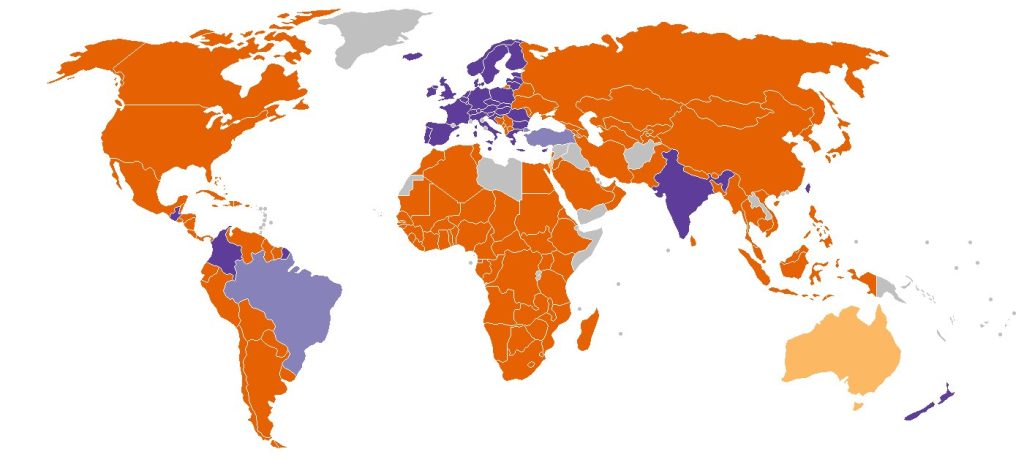
Market information matters because animal-testing requirements can affect cosmetics or cosmetic ingredients in particular jurisdictions. The cited lists use sales in mainland China as a reason for flagging Bioderma, Kiehl’s, and NARS. They also identify Neutrogena as available in countries with mandatory animal testing. (NotToDieFor)
The useful question is not simply whether a brand makes a statement in the United States. Check where the brand sells and whether its policy addresses testing required by law in those markets. Product category and the requirements that apply to it can matter, so an international sale should be examined in context rather than treated as a complete answer by itself.
Read the exceptions, not just the headline
Look for wording about:
- testing required by law;
- animal testing on ingredients;
- testing performed by suppliers or other parties;
- products sold in particular countries; and
- policies that apply only to selected brands within a corporate portfolio.
These qualifications can change how you interpret a short claim such as “we do not test on animals.” A company may describe what it does directly while separately acknowledging testing required by a regulator or occurring elsewhere in its supply or sales structure.
Confirm certification at brand level
A certification is useful only if it applies to the exact brand and, where relevant, the product category you are considering. Do not assume that all brands in a corporate portfolio share the same certification.
Estée Lauder’s policy separates brands in its portfolio that identify as cruelty-free and have PETA certification. It lists Aveda, Bumble and bumble, the DECIEM family including The Ordinary and NIOD, LE LABO, Smashbox, and Too Faced; the company marks some of these brands as also Leaping Bunny approved. (Estée Lauder Companies)
This is why a parent-company controversy and a brand-level certification should be checked together rather than treated as automatic proof for or against every subsidiary.
What brand-level certifications and exceptions show
The available examples point to a central distinction: company ownership, a brand’s own statement, and certification are related but separate pieces of information.
The cosmetics-testing overview names e.l.f., Charlotte Tilbury, Farsali, Fenty Beauty, Fenty Skin, and Glow Recipe among cruelty-free beauty brands. Estée Lauder separately identifies several brands in its portfolio with PETA cruelty-free certification, with some also marked as Leaping Bunny approved. (Wikipedia, Estée Lauder Companies)
These examples do not create a permanent universal list. They show how to evaluate a brand:
- A brand can be discussed separately from its parent company.
- A corporate policy can include exceptions for certain markets or regulatory requirements.
- A certification may apply to selected brands rather than an entire corporate group.
- A beauty list may include makeup and personal-care companies alongside skincare brands.
For that reason, use a list to decide what to investigate, then confirm the current status of the exact brand you plan to buy.
What to do when the policy is unclear
If a brand provides only a short “not tested on animals” statement and does not explain suppliers, ingredients, other parties, parent-company boundaries, sales markets, or legal exceptions, treat the claim as incomplete rather than trying to infer the missing details.
You have three practical options:
- Choose a brand with a named, current certification. Confirm that the certification applies to the exact brand.
- Ask the brand specific questions. Request a written answer about finished products, ingredients, suppliers, other parties, testing required by authorities, and the markets where the product is sold.
- Skip the product until the policy is clear. This avoids making a decision on a statement that does not address the standard you want to follow.
If you are replacing a cleanser, treatment, moisturizer, or sunscreen, compare alternatives for the same routine step and skin concern, then apply the same animal-testing check to each brand. A separate guide to building an acne-prone skin routine around cleansing, treatment, moisturizing, and sun protection can help with the routine step; it does not replace the brand-policy check.
The practical shortcut is not memorizing a permanent blacklist. Check the exact brand, its parent-company relationship, its markets, the exceptions in its policy, and any current brand-level certification before buying.
Sources
- Testing cosmetics on animals — Wikipedia
- Brands that still test on animals — NotToDieFor
- 268+ Companies That Test On Animals — CrueltyFreeKitty
- These Beauty Brands Are Still Tested on Animals — PETA
- Animal Testing — The Estée Lauder Companies