If your neck, waistline, underarms, or legs feel itchy after clean clothes come out of the dryer, your sensitive skin laundry detergent may be part of the problem. It is not always the only cause, but detergent residue, fragrance, dyes, fabric softener, and over-concentrated loads can make already reactive skin feel worse.
This article is educational and is not a medical diagnosis. If you have severe itching, blistering, swelling, open skin, painful rashes, symptoms that keep returning, pregnancy-related skin changes, medication-related reactions, or possible infection, see a board-certified dermatologist or another qualified clinician.
The Short Answer: Choose a Detergent That Leaves Less Behind
For sensitive skin, choose a fragrance-free, dye-free liquid or powder detergent labeled for sensitive skin, then use less than the cap suggests and add an extra rinse. Skip scent boosters, dryer sheets, and fabric softener. If irritation continues for two weeks, involve a clinician because eczema, allergy, or infection may be involved.
Why Clean Laundry Can Still Irritate Sensitive Skin
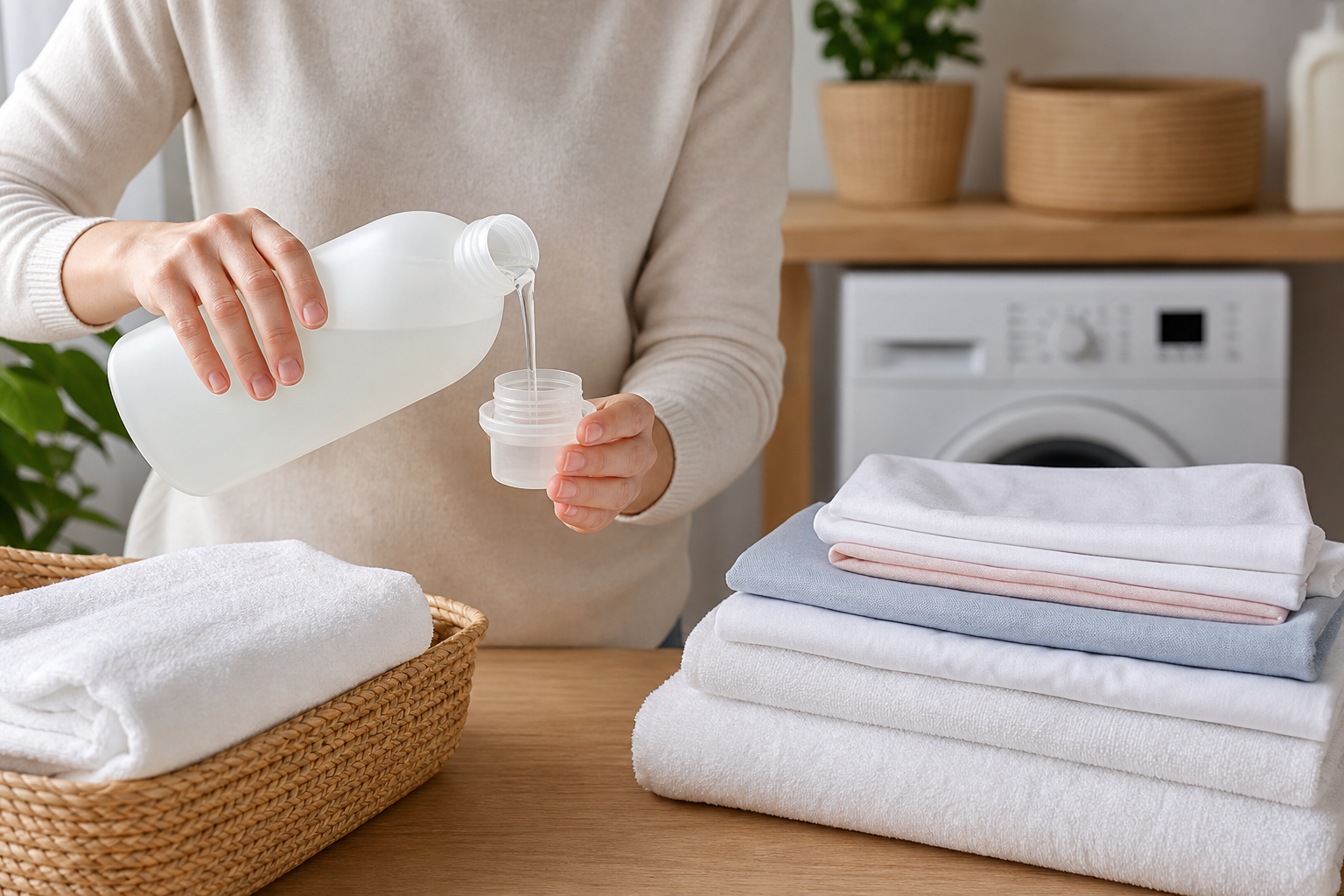
The frustrating part is that laundry irritation does not always look dramatic. It may show up as a prickly waistband, a red bra-line mark, itchy sheets, rough patches on the thighs, or underarm stinging that feels like your sensitive skin deodorant suddenly stopped working. The clothing is clean, but clean does not necessarily mean low-residue.
Sensitive skin tends to react when the barrier is already stressed. Dermatology groups such as the American Academy of Dermatology often advise fragrance-free products for eczema-prone or reactive skin because fragrance is a common irritant and allergen trigger AAD guidance on fragrance-free care.
The National Eczema Association also emphasizes avoiding irritating additives in personal care and household products National Eczema Association treatment basics.
Laundry adds a special twist: it touches large areas of skin for hours. Pajamas, underwear, bras, leggings, collars, pillowcases, towels, and workout clothes create long contact time, friction, sweat, and heat. That combination can make a mildly irritating residue feel much more intense.
Common cause-and-effect patterns include:
- Fragrance plus sweat: a scented detergent smells pleasant in the bottle, but underarm sweat and friction can make the residue sting. 2. Too much detergent: extra soap does not make clothes extra clean; it can leave film in fabric, especially in cold water or high-efficiency machines. 3. Fabric softener coating: softeners and dryer sheets often leave a slick finish that sensitive skin may not like. 4. Poor rinsing: overloaded washers trap detergent in towels, athletic wear, and thick cotton. 5. Skin barrier overload: if you also changed your sensitive skin body wash, face routine, deodorant, or moisturizer, laundry may be only one piece of the puzzle.
This is why the best first move is not buying the fanciest bottle. It is removing the most common irritants and improving the rinse.
How to Choose Sensitive Skin Laundry Detergent Without Overthinking the Label
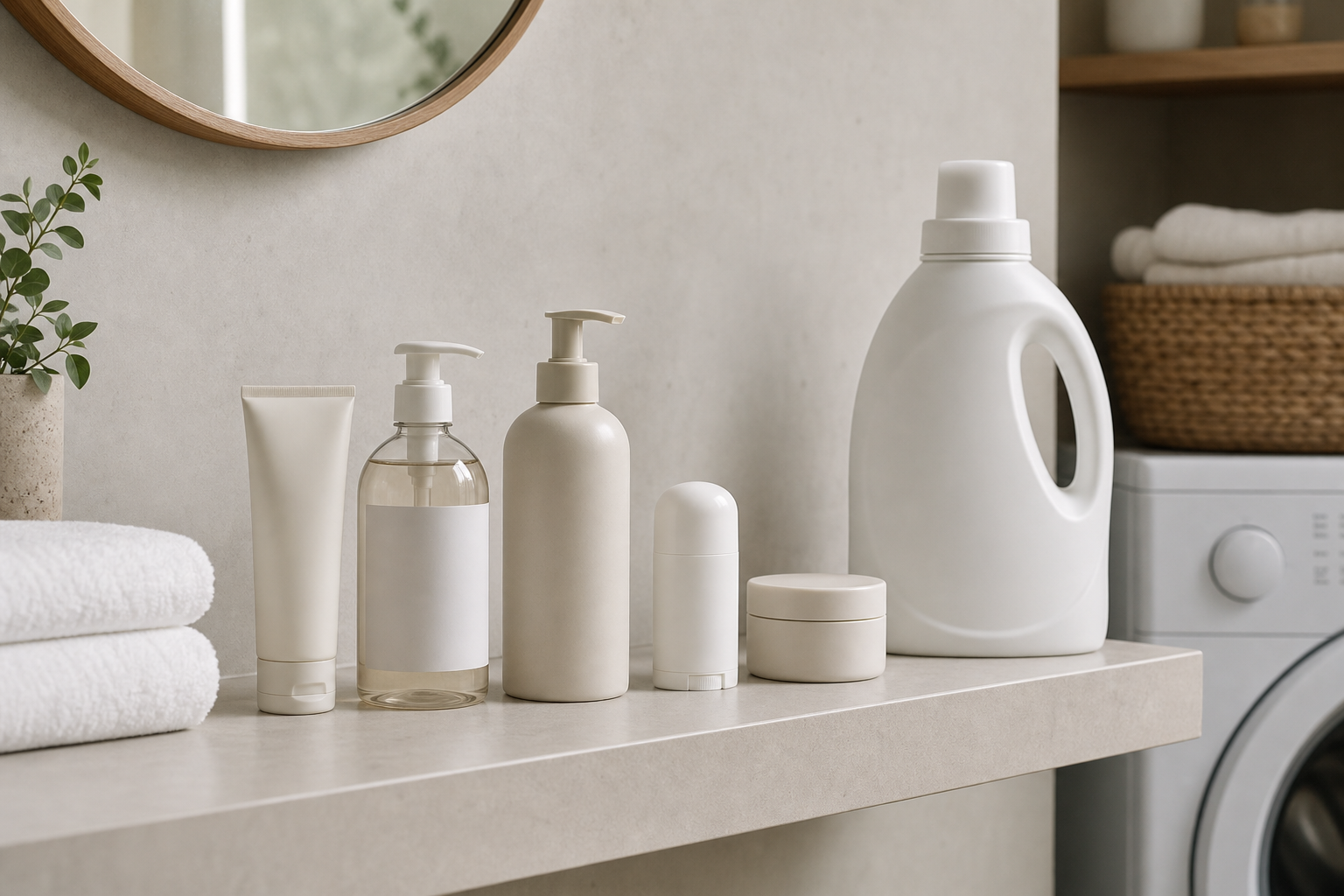
A beginner can make a practical choice by using a short label checklist instead of trying to decode every chemical name. Tests and reviews commonly focus on stain removal, scent level, residue feel, cost per load, and compatibility with high-efficiency machines. For reactive skin, the comfort factors matter just as much as cleaning power.
Look for these front-label and back-label clues: – Fragrance-free, not just unscented. Unscented can sometimes mean masking fragrance is used to hide odor. – Dye-free. Colorants are unnecessary for cleaning. – HE-compatible if you use a high-efficiency washer. – Clear dosing instructions, especially for small, medium, and large loads. – No scent beads, no added softener, and no built-in fragrance technology. – A simple formula claim backed by recognizable sensitive-skin positioning, not vague green language alone.
Liquid detergent is often easier to dose downward, which helps if residue is your main issue. Powder can be a good value and may rinse well when fully dissolved, but in cold water or short cycles it can leave specks on dark clothes.
Pods are convenient but less flexible; one pod may be too much for a small load, and beginners often cannot reduce the dose.
A practical comparison:
| Option | Best fit | Tradeoff | Sensitive-skin note |
|---|---|---|---|
| Fragrance-free liquid | Most households, mixed fabrics | Can be overpoured | Easy to use half-doses |
| Fragrance-free powder | Hot/warm water loads, value shoppers | Must dissolve fully | Avoid overloading the washer |
| Fragrance-free pods | Shared laundry rooms, convenience | Fixed dose | May be too much for small loads |
| Baby detergent | Baby clothes, some family loads | Not always fragrance-free | Read the label carefully |
| Plant-based detergent | Ingredient-conscious shoppers | Cleaning power varies | Fragrance-free still matters most |
The label should make your decision calmer, not more confusing. If two products seem similar, pick the one with fewer scent claims and clearer dosing.
Features That Matter More Than Fancy Claims
Marketing language can make detergent feel like skincare, but clothing does not need botanical perfume, bright blue liquid, or long-lasting freshness technology. It needs to release soil and rinse away.
The most useful features for sensitive skin are simple:
- Fragrance-free formula. This is the strongest starting point for reducing uncertainty. 2. Dye-free formula. Dyes do not improve washing performance. 3. Strong rinse behavior. Residue matters because clothing stays on the skin. 4. Enzymes used appropriately. Enzymes can help remove sweat, protein, and food stains, but some people prefer enzyme-free formulas if they suspect irritation. 5. Accurate dosing. A good detergent should work without filling the cap to the top. 6. Compatibility with your machine. HE washers need low-sudsing detergent.
There is one feature people overrate: a baby label. Baby detergent sounds gentle, and some are excellent, but the word baby does not automatically mean fragrance-free or best for adults with reactive skin. Read the ingredient and scent claims the same way you would for your own products.
There is also a feature people underrate: water hardness. Hard water can make detergents less effective and increase residue. If clothes feel stiff after drying, towels seem scratchy, or soap scum builds up in your bathroom, hard water may be raising the irritation risk. In that case, correct dosing and an extra rinse become even more important.
For a deeper routine audit, it can help to compare laundry choices with the products that touch your skin directly. Our guide to Fragrance-Free Skincare Routine explains why fewer scent layers can make reactive skin easier to manage.
Pros of Switching to a Fragrance-Free Laundry Routine
The biggest pro is control. When you remove fragrance, dyes, scent beads, and fabric softener at the same time, you stop guessing which scented layer caused the problem. That alone can reduce purchase anxiety.
Other benefits are practical: – Clothes no longer compete with your body care products. – Pillowcases and towels are less likely to sting freshly washed skin. – Workout clothes feel cleaner without heavy perfume masking sweat. – Household members with different preferences can still share one basic detergent. – You can evaluate your sensitive skin moisturizer or face products more accurately because laundry is not adding background irritation.
There is also a comfort benefit that does not show up on a label. Fragrance-free laundry makes it easier to notice real changes. If your underarms sting only when wearing one synthetic shirt, the fabric or deodorant may be the issue. If every shirt itches after wash day, detergent dose or residue becomes more suspicious.
This is especially helpful for people dealing with dark spots & texture after irritation. Scratching, rubbing, and repeated inflammation can make uneven texture and post-inflammatory marks more noticeable, particularly on deeper skin tones. A calmer laundry routine will not erase dark spots, but it can reduce one avoidable source of friction and irritation.
Cons and Tradeoffs You Should Know Before Switching
Fragrance-free laundry is not perfect. The first load may feel underwhelming because there is no perfume signal telling your brain that clothes are clean. That does not mean they are dirty. It means you are smelling less added scent.
Possible downsides include:
- Stain removal can vary. Some gentle detergents are less aggressive on oil, sunscreen, makeup, and gym odor. 2. Odor control may require better habits. You may need to wash sweaty clothes sooner, dry towels fully, and avoid leaving wet laundry in the washer. 3. Pods can be too concentrated for small loads. Convenience is not always skin-friendly. 4. The wrong fragrance-free detergent can still irritate. Fragrance is common, not the only possible trigger. 5. Family members may miss scent. A scent-free household routine can take adjustment.
The better comparison is not fragrance-free versus perfectly scented laundry. It is predictable comfort versus unpredictable irritation. For many sensitive-skin households, the tradeoff is worth it. For someone who rarely reacts and strongly values scent, a mild scented detergent may feel acceptable, but it is not the safest first recommendation for reactive skin.
The Laundry Routine That Usually Works Best
Changing detergent helps most when the whole wash routine supports it. Otherwise, you can buy the right bottle and still end up with itchy clothes because the washer is overloaded or the dose is too high.
Use this practical routine for two to three weeks:
- Wash skin-contact items first. Start with underwear, bras, socks, sheets, pillowcases, pajamas, towels, workout clothes, and base layers. 2. Use half the recommended detergent dose. If clothes are not heavily soiled, half is often enough. Increase only if cleaning suffers. 3. Choose warm water when fabric care allows. Warm water can help dissolve detergent and body oils better than cold water. 4. Add an extra rinse. This is especially useful for towels, bedding, baby clothes, and thick cotton. 5. Skip softener and dryer sheets. If static is the concern, try wool dryer balls or lower heat instead. 6. Do not overload the washer. Clothing needs room to move so detergent can release and rinse out. 7. Clean the washer monthly. Detergent buildup, mildew, and fabric softener residue inside the machine can transfer back to fabric.
A real-world example: if your back itches only after sleeping, wash sheets and pillowcases separately with half-dose fragrance-free detergent and an extra rinse. If the itching improves, bedding residue was likely contributing. If nothing changes, look at sweat, heat, eczema, body wash, or a medical trigger.
Another example: if your underarms burn after switching a sensitive skin deodorant, do not blame deodorant immediately. Wash shirts without fragrance, softener, or scent beads for two weeks. Deodorant, detergent, and trapped sweat often overlap in the same area.
Common Mistakes That Keep Skin Itchy
The mistake I see most often in routine troubleshooting is changing five things at once. Someone buys a new detergent, a new sensitive skin body wash, a new deodorant, a new exfoliating lotion, and a new razor, then cannot tell what helped or hurt.
Better: change laundry first or skincare first, not everything together.
Here are the big laundry mistakes: – Using more detergent because clothes smell sweaty. More detergent can trap more residue. Pre-rinse sweaty clothes or wash sooner instead. – Trusting plant-based fragrance automatically. Essential oils and botanical fragrance can still irritate. – Keeping scent beads. Scent boosters are designed to stay in fabric; that is the opposite of low-residue. – Washing towels with fabric softener.
It can coat fibers, reduce absorbency, and leave a film on damp skin. – Ignoring pillowcases. Facial irritation may be linked to hair products, detergent, drool, sweat, or residue on bedding. – Assuming all rashes are detergent. Contact dermatitis, eczema, fungal infections, medication reactions, and allergies can mimic simple irritation.
If irritation is one-sided, sharply bordered, blistering, spreading, painful, or linked to a specific workplace exposure, get medical advice. Laundry changes are useful, but they are not a substitute for evaluation.
How Laundry Fits With Face Wash, Body Wash, Deodorant, and Moisturizer
Sensitive skin management is about the total contact load. Laundry is one layer. Your cleanser, deodorant, body wash, shaving routine, sunscreen, and moisturizer are others.
If your face stings, do not look only at face wash. Pillowcases, towels, hair products, and detergent can touch your cheeks every night. A gentle sensitive skin face wash works best when the towel and pillowcase are not carrying fragrance or softener residue.
If you are wondering how to use sensitive skin face wash without making redness worse, keep it boring: lukewarm water, a small amount of cleanser, fingertips instead of a scrub brush, and a short rinse. Pat dry with a fragrance-free-laundered towel, then apply a sensitive skin moisturizer while the skin is slightly damp.
That simple sequence is often more effective than adding extra active ingredients.
For the body, a sensitive skin body wash should cleanse without leaving skin tight or squeaky. If your body wash is gentle but your towels are washed with scent beads, you may still feel itchy after showering. The towel is part of the skincare routine, whether we think of it that way or not.
Underarms are a special case. A sensitive skin deodorant may reduce fragrance exposure, but underarms also deal with shaving, sweat, tight sleeves, detergent residue, and antiperspirant salts. If irritation continues, pause scented laundry products and avoid testing multiple deodorants in the same week.
For persistent underarm rash, see a clinician because yeast, bacterial irritation, allergic contact dermatitis, or eczema can need targeted care.
For more help building a low-irritation wash routine, see Sensitive Skin Body Care Basics.
Who Should Buy This / Who Should Skip It
A fragrance-free detergent routine is a smart buy for people who want fewer variables. It is especially helpful if you are a beginner with sensitive skin and do not yet know whether fragrance, dyes, residue, sweat, or fabric friction is the main trigger.
You should strongly consider switching if: – Your itching appears under tight clothing, collars, waistbands, socks, bras, or bedding. – You use scent beads, dryer sheets, or fabric softener. – You have eczema-prone skin or a history of fragrance sensitivity. – Your face or body stings after using towels or pillowcases. – You are trying to evaluate a new face wash, body wash, deodorant, or moisturizer and need a cleaner baseline.
You might skip a full switch, at least temporarily, if your irritation clearly began after a new medication, a workplace chemical exposure, poison ivy, an infection, or a new topical treatment prescribed by a clinician. In those cases, laundry can still matter, but it should not delay care.
There is also a middle ground. If the whole household refuses fragrance-free laundry, wash your personal skin-contact items separately. Sheets, towels, underwear, bras, workout clothes, and sleepwear matter more than outerwear.
Practical Evaluation Checklist Before You Commit
Use this checklist when comparing options in a store aisle or online cart. It is designed to reduce purchase uncertainty rather than crown one universal winner. – Does the label say fragrance-free, not merely unscented? – Is it dye-free? – Can you control the dose, or is it a fixed pod? – Is it compatible with your washer type? – Does it avoid fabric softener and scent booster claims? – Does the brand give clear load-size dosing? – Can you afford to use it consistently for bedding, towels, and undergarments? – Are you willing to run an extra rinse during the test period? – Do reviews mention residue, itching, or scent strength rather than only stain removal? – Does the formula fit your stain reality, such as sweat, sunscreen, baby spit-up, or gym clothes?
Reviews from outlets that test detergents often compare cleaning performance, stain removal, and fabric feel. That is useful, but your final test is how your own skin responds after repeated wear. Give the routine enough time to be fair. Two or three washes of the same items are more informative than one quick load.
Recommendation: The Most Reliable Path for Sensitive Skin in 2026
My strongest recommendation is not a single brand-first rule. It is a routine-first rule: choose a fragrance-free, dye-free detergent, use less than the cap suggests, add an extra rinse for skin-contact fabrics, and remove softener from the equation. That combination solves more real-life irritation than switching brands while keeping the same overloaded, over-scented wash habits.
If you prefer a concrete starting point, compare widely available fragrance-free lines from established detergent brands and sensitive-skin-focused household brands. Look for versions clearly labeled free of perfumes and dyes. Then choose based on your washer, budget, and stain needs. A family with toddlers and food stains may need stronger cleaning power than a single adult washing office clothes and sheets.
The practical choice is the one you will use correctly. A premium gentle detergent used at double dose with scent beads is not gentle in practice. A basic fragrance-free detergent used sparingly, rinsed well, and paired with fragrance-free towels often performs better for skin comfort.
If you are also simplifying skincare, keep your cleanser and moisturizer steady during the laundry trial. Our Sensitive Skin Moisturizer Guide can help you choose a barrier-supporting moisturizer without adding unnecessary fragrance.
Frequently Asked Questions
Can laundry detergent really cause itchy skin?
Yes, detergent can contribute to itchy skin, especially when fragrance, dyes, enzymes, softener residue, or too much detergent remains in fabric. It is more likely when itching appears where clothing is tight or damp. However, detergent is not the only cause. Eczema, allergy, infection, heat rash, and medication reactions can look similar.
Is fragrance-free detergent better than unscented detergent?
Usually, yes. Fragrance-free means fragrance materials are not intentionally added. Unscented can sometimes mean the product contains masking fragrance to cover the smell of raw ingredients. For sensitive or eczema-prone skin, fragrance-free is the clearer and safer label to look for.
Should I use baby detergent for adult sensitive skin?
Not automatically. Some baby detergents are gentle and fragrance-free, but others contain scent because parents associate baby fragrance with cleanliness. Adults with reactive skin should judge baby detergent by the same criteria: fragrance-free, dye-free, clear dosing, and good rinsing.
How long does it take to know if detergent was the problem?
Give it two to three weeks if symptoms are mild and stable. Wash the same high-contact items several times with fragrance-free detergent, reduced dose, and extra rinse. If symptoms improve, residue or fragrance may have contributed. If symptoms worsen, spread, blister, or become painful, seek medical care sooner.
Do I need to rewash all my clothes after switching detergent?
You do not need to rewash everything at once. Start with the items that touch skin the longest: underwear, bras, socks, pajamas, sheets, pillowcases, towels, and workout clothes. If those feel better, gradually rewash the rest. Coats and occasional outer layers are lower priority.
Can face irritation come from laundry detergent?
It can. Pillowcases, towels, washcloths, scarves, and collars touch the face and neck repeatedly. If your sensitive skin face wash and moisturizer seem gentle but your cheeks still sting, try washing facial-contact fabrics without fragrance, dyes, softener, or scent beads.
Final Takeaway
A good sensitive-skin laundry plan is boring in the best way. Choose fragrance-free and dye-free, dose lightly, rinse thoroughly, and remove fabric softener and scent boosters before judging whether a product failed. If irritation persists, becomes painful, or keeps returning, bring your observations to a dermatologist.
Clear notes about where the itching appears, what touches that area, and what changed recently can help you get better expert guidance faster.