*Medical Disclaimer: The information in this article is for educational purposes only and does not constitute medical advice, diagnosis, or treatment. Always seek the advice of a board-certified dermatologist or qualified healthcare provider with any questions regarding a medical condition. If you experience severe cystic acne, scarring, or signs of infection, please request a clinical referral immediately.*
Managing adult breakouts in 2026 often feels like a balancing act between two opposing forces. On one side, you have the aggressive, high-potency actives designed to kill bacteria and dry out oil. On the other, you have the delicate moisture barrier-the stratum corneum-which keeps hydration in and irritants out.
When you use harsh treatments too frequently, you don't just kill the acne; you dismantle your skin's natural defenses.
Learning how to calm acne without damaging skin barrier is the most important skill for anyone with sensitive or reactive skin.
The Short Answer: How to calm acne without damaging skin barrier
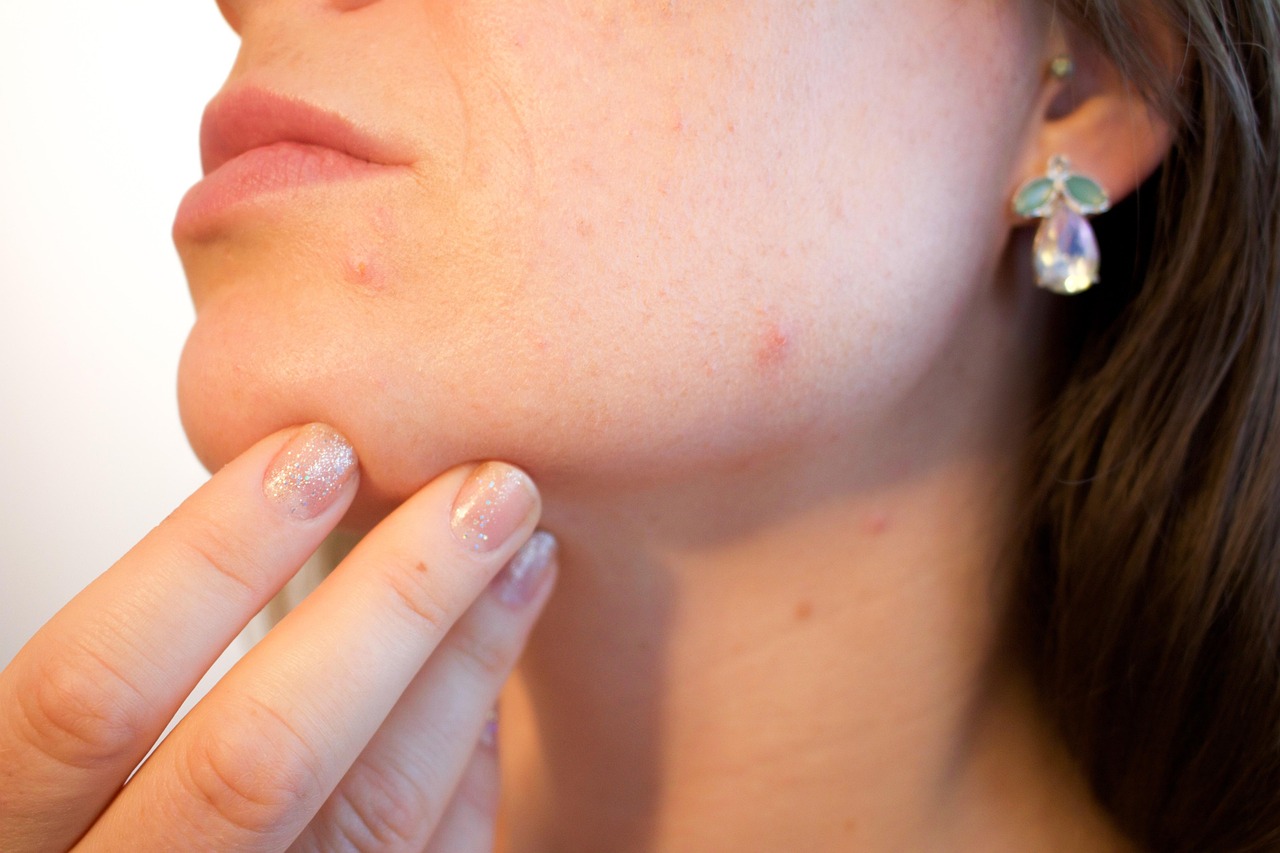
To calm acne while preserving the skin barrier, shift from aggressive drying agents to "barrier-first" actives. Use a low-concentration (2.5%-3.5%) benzoyl peroxide or encapsulated salicylic acid. Focus on replenishing lipids with ceramides and fatty acids, avoid physical scrubs, and never skip moisturizer. This approach reduces inflammation while maintaining the skin's protective moisture seal.
Understanding the Barrier-Acne Connection
The skin barrier is a complex matrix of lipids, including ceramides, cholesterol, and fatty acids. When this barrier is healthy, skin looks plump and resists environmental stressors. However, many traditional acne treatments are alkaline or highly acidic, which can strip these essential lipids.
Research has shown that a compromised barrier actually makes acne worse. When your skin is dehydrated and irritated, it may overproduce sebum to compensate for the dryness, leading to a vicious cycle of more clogs and more inflammation. This is often why people ask, "why does acne get worse before it gets better" when starting a new routine.
In many cases, it isn't just a "purge"; it is the skin reacting to a chemical assault that has left the barrier leaky and vulnerable.
Why Do I Keep Getting Acne on My Cheeks?
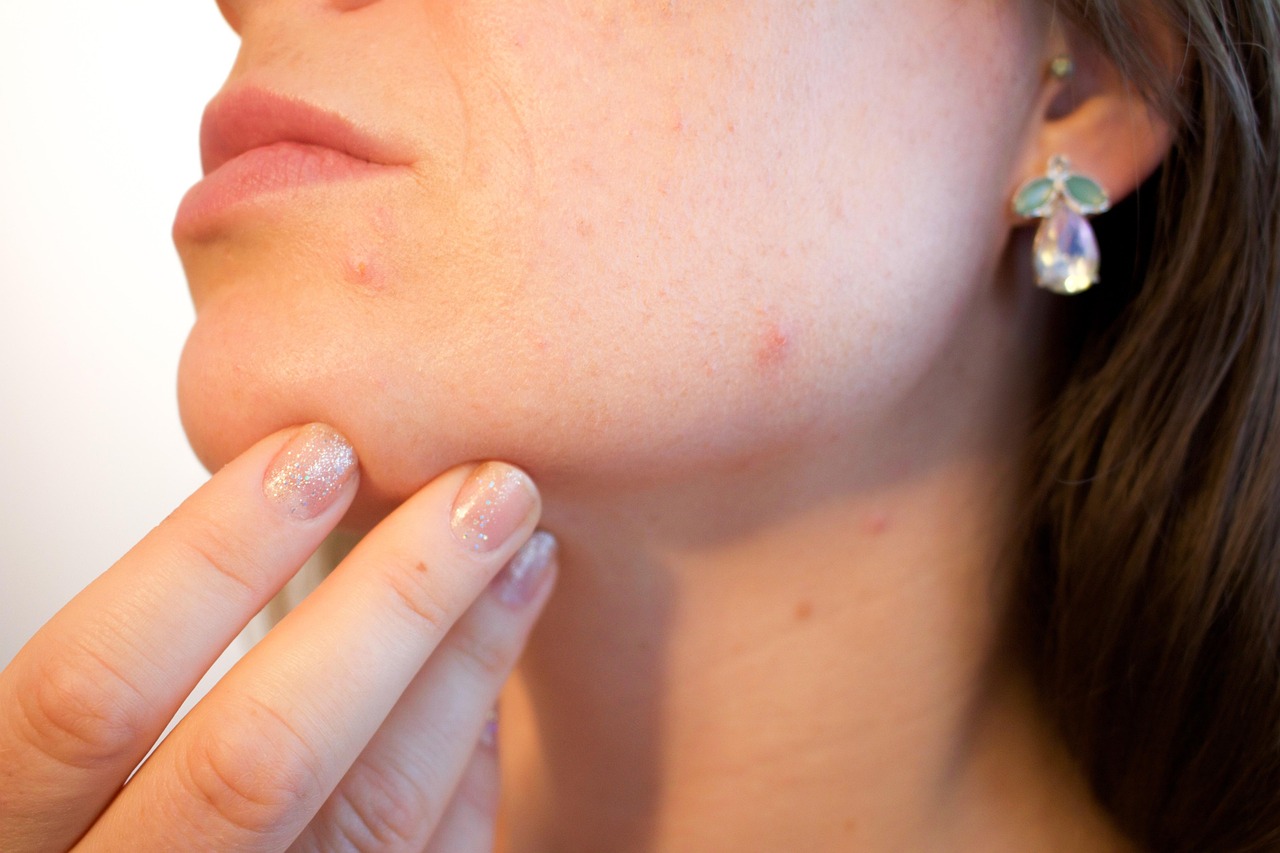
A common frustration for adults is localized breakouts. If you find yourself wondering, "why do i keep getting acne on my cheeks," the answer often lies at the intersection of external friction and barrier health.
The skin on the cheeks is typically thinner and has fewer sebaceous glands than the T-zone. This makes it more prone to dryness. When the barrier here is weak, environmental bacteria and friction from pillowcases or phone screens can easily trigger inflammation. Unlike the forehead, which can often handle stronger acids, the cheeks require a more cushioned approach.
Treating cheek acne with the same intensity as a greasy chin often leads to redness, flaking, and a damaged barrier before the acne even begins to heal.
Does Moisturizer Help Acne Prone Skin?
There is a persistent myth that people with acne should avoid moisturizer to "dry out" the pimples. This is fundamentally incorrect. If you are wondering, "does moisturizer help acne prone skin," the answer is a resounding yes-provided you choose the right formula.
Moisturizers do more than just hydrate; they provide the building blocks your skin needs to repair the barrier. A well-formulated non-comedogenic moisturizer prevents "transepidermal water loss" (TEWL). When TEWL is high, your skin cannot shed dead cells properly, leading to the very pore blockages that cause acne. By keeping the skin supple, you allow the natural exfoliation process to function correctly.
Read more on Skin Barrier Dysfunction in Acne.
The Barrier-Safe Acne Routine for Sensitive Skin
Creating an acne routine for sensitive skin requires a "low and slow" philosophy. In 2026, we have moved away from the 10% benzoyl peroxide washes of the past in favor of smarter, buffered delivery systems.
1. The Gentle Cleanse
Stop using foaming cleansers that leave your skin feeling "squeaky clean." That feeling is the sound of your lipids being washed down the drain. Instead, use a pH-balanced, non-foaming cream or milk cleanser.
2. Targeted Treatment (The Buffer Method)
If you must use a retinoid or a strong acid, try the "sandwich technique." Apply a thin layer of moisturizer first, then your treatment, then another layer of moisturizer. This slows down the penetration of the active ingredient, reducing the risk of irritation without neutralizing the efficacy.
3. Lipid Replacement
Look for ingredients that mimic the skin's natural composition.
- Ceramides: The "glue" that holds skin cells together.
- Niacinamide: Helps the skin produce its own ceramides and calms redness.
- Squalane: A stable, non-clogging oil that mimics human sebum.
Comparing Treatment Strategies
Not all acne treatments are created equal Here is a technical comparison of common ingredients used in 2026.
| Ingredient | Action | Barrier Impact | Best For |
|---|---|---|---|
| Salicylic Acid (BHA) | Dissolves oil in pores | Moderate (drying) | Blackheads & oily skin |
| Benzoyl Peroxide (2.5%) | Kills P. acnes bacteria | Moderate (oxidative) | Inflammatory papules |
| Adapalene (Retinoid) | Regulates cell turnover | High (initial peeling) | Chronic acne & texture |
| Azelaic Acid | Anti-inflammatory | Low (very safe) | Redness & sensitive skin |
| Niacinamide | Barrier repair/Sebum control | None (protective) | All skin types |
Practical Evaluation: Is Your Barrier Damaged?
Before you try to fix your acne, you must assess if your barrier is currently intact. If you have any of the following symptoms, stop all actives for 7-10 days:
- Stinging when you apply even basic moisturizer.
- Shiny skin that doesn't feel oily (over-exfoliated sheen).
- Persistent redness or "tight" feeling.
- Rough, sandpaper-like texture despite using exfoliants.
acne routine for sensitive skin strategies prioritize these signs over the desire to eliminate a pimple overnight. Healing the barrier first often clears up 30% of the acne simply by reducing reactive inflammation.
Common Mistakes to Avoid
- Over-cleansing: Washing your face more than twice a day is rarely necessary and usually harmful.
- Mixing too many actives: Using Vitamin C, Salicylic Acid, and Retinol in the same window is a recipe for a chemical burn.
- Skipping Sunscreen: Many acne treatments make skin photosensitive. UV damage further degrades the barrier, leading to longer-lasting post-inflammatory hyperpigmentation (dark spots).
- Using DIY "Remedies": Lemon juice, toothpaste, and undiluted apple cider vinegar are far too acidic for the skin's natural pH of 5.5.
When to See a Dermatologist for Acne
While a gentle routine can handle mild-to-moderate congestion, there are clear signs for when to see a dermatologist for acne. If you are dealing with deep, painful cysts that feel like hard knots under the skin, topical creams likely won't reach the source. if your acne is leaving permanent physical indentations (scars) or if your mental health is significantly impacted by your skin's appearance, professional intervention is necessary. Modern 2026 dermatology offers options like low-dose isotretinoin or specialized laser therapies that can resolve acne while protecting the skin's integrity better than any over-the-counter experiment. Professional insights on adult acne care.
Who Should Follow This Routine?
Follow this if:
- You have adult acne and dry/sensitive skin.
- Your skin turns red easily after using standard store-bought treatments.
- You live in a dry or cold climate where the barrier is naturally under stress.
Skip this (and see a pro) if:
- You have severe cystic or nodular acne. * You are currently on prescription Accutane or heavy antibiotics. * Your acne is concentrated solely on the jawline and follows a strict hormonal cycle (this usually requires internal management).
Frequently Asked Questions
Why does my skin feel oily but still tight and flaky?
This is a classic sign of dehydrated skin with a damaged barrier. Your skin is lacking water (dehydration), so it produces more oil (sebum) to try and seal in what little moisture is left. The flakiness is due to the lack of lipids holding the surface cells together. To fix this, stop using harsh cleansers and focus on a humectant-rich routine with glycerin or hyaluronic acid followed by a barrier-repair cream.
Can I use a physical scrub if I have acne?
It is generally recommended to avoid physical scrubs, especially those with walnut shells or large beads. These can create micro-tears in the skin barrier and spread bacteria from active pimples to unaffected areas. If you feel the need for exfoliation, a very gentle chemical exfoliant like Mandelic acid-which has a larger molecular size and penetrates more slowly-is a much safer choice for maintaining barrier health.
How long does it take for a skin barrier to heal?
With a strict "barrier-only" routine-meaning no acids, no retinoids, and no scrubbing-the skin barrier typically takes about 3 to 4 weeks to undergo a full turnover cycle and repair its lipid layers. You will know it is healed when your skin no longer stings upon product application and the "tight" feeling disappears. Patience is key during this phase; rushing back into actives too soon will reset your progress.
Is it okay to use acne patches on sensitive skin?
Yes, hydrocolloid patches are actually excellent for barrier protection. They create a moist environment that promotes healing and prevents you from picking at the blemish, which is the fastest way to destroy the barrier and cause scarring. Just ensure the patches do not contain high concentrations of salicylic acid if your surrounding skin is already irritated.
Why does acne get worse before it gets better?
This phenomenon, often called "purging," happens when an active ingredient like a retinoid speeds up cell turnover, bringing existing clogs to the surface faster. However, if your skin is also red, itchy, and burning, it isn't a purge-it's barrier damage. True purging should only happen in areas where you normally break out and should not cause general skin sensitivity. does moisturizer help acne prone skin
Can diet affect my skin barrier?
While topical care is primary, your body needs the right building blocks to create skin lipids. Consuming healthy fats, such as Omega-3 fatty acids found in fish or flaxseeds, can support the skin's ability to maintain its moisture barrier from the inside out. Staying hydrated also ensures that the deeper layers of the skin can provide moisture to the stratum corneum.
Summary of Barrier-Safe Recommendations
To ensure long-term success, focus on these three pillars of care:
- Reduce Frequency: Use active treatments every other night rather than twice daily.
- Prioritize Hydration: Use serums with panthenol, allantoin, and centella asiatica to soothe inflammation.
- Monitor and Adjust: If your skin feels sensitive, back off the treatments immediately. Your barrier is your best defense against future breakouts.
- Use a pH-balanced cleanser (pH 5.0 – 6.0). * Apply moisturizer to damp skin to lock in maximum hydration. * Avoid hot water when washing your face; lukewarm is best. * Change your pillowcase every 2-3 days to reduce bacterial load on the cheeks. * Always patch-test new acne treatments on a small area of the jawline before full-face application.
How to Pressure-Test the Advice Before You Change Everything
The safest way to use this guidance on how to calm acne without damaging skin barrier is to change one variable at a time. If you swap cleanser, moisturizer, sunscreen, and treatment in the same week, you may never know which step helped and which step created the new problem.
Start with the product or habit most likely to be causing friction: fragrance, harsh cleansing, too many active ingredients, rough towels, over-exfoliation, or skipping moisturizer because the skin already feels oily. Give that one change enough time to show a pattern.
A useful test is simple: write down what you used, when the stinging started, how long redness lasted, and whether the same reaction happened again. That small record is more reliable than guessing from memory after a bad skin day.
- Keep the rest of the routine boring while you test one change. – Give leave-on products several days unless burning, swelling, or rash appears. – Stop immediately if the reaction feels sharp, spreading, or unusual for your skin.
What Makes a Fix Feel Safe Instead of Random
A good fix for how to calm acne without damaging skin barrier should make the routine easier to repeat, not more complicated. The reader should be able to understand why the step matters, when to use it, and what sign would mean the plan is not working.
That is why the best troubleshooting advice usually sounds modest. It removes a trigger, lowers friction, protects the barrier, or makes the order of products clearer. It does not require a shelf full of new products or a dramatic overnight reset.
If a product looks promising but adds several new ingredients at once, treat it as a later experiment. A plain supportive step that your skin tolerates is often more useful than a trendy active that makes the routine harder to interpret.
- Choose texture and tolerance before marketing claims. – Prefer simple routines when the skin is already reactive.
When the Reader Should Stop Troubleshooting Alone
Most everyday decisions around how to calm acne without damaging skin barrier can be handled with careful routine changes, but some signals should move the problem out of trial-and-error territory. Pain, swelling, crusting, eye-area irritation, sudden spreading redness, or symptoms that keep returning deserve medical guidance.
This is especially important when the skin concern affects sleep, leaves marks, causes open cracks, or appears after a prescription, cosmetic procedure, pregnancy, or a new medication. In those cases, a board-certified dermatologist or qualified clinician can separate irritation from allergy, infection, eczema, rosacea, acne, or another condition.
The goal is not to make the reader anxious. It is to give them a clean stopping point. Helpful content should say when home care is reasonable and when the smarter move is to ask for a diagnosis instead of adding more products.
- Get help for painful, spreading, or recurring reactions. – Do not keep testing products on broken or infected-looking skin. – Bring a short product list and symptom timeline to the appointment.