Disclaimer: This guide on how to use sensitive skin face wash is for general education only and is not medical advice or a medical diagnosis. If you have burning, swelling, a rash, eye pain, vision changes, or symptoms that keep coming back, talk with a dermatologist, doctor, or qualified clinician.
If you have ever washed your face and felt tight, hot, shiny, or itchy 10 minutes later, the cleanser may be the problem-or the way you are using it may be.
Learning how to use sensitive skin face wash is less about buying the most delicate-looking bottle and more about protecting your skin barrier while still removing sunscreen, sweat, oil, and daily residue.
This guide is educational and not a diagnosis or a substitute for medical care. If you have painful burning, swelling, open cracks, spreading rash, scarring acne, sudden sensitivity, medication-related irritation, or you are pregnant or nursing and unsure about ingredients, check with a board-certified dermatologist or qualified clinician.
The Short Answer: Use Sensitive Skin Face Wash Without Irritation
Use a gentle, fragrance-free cleanser with lukewarm water for 20 to 30 seconds, once nightly and optionally in the morning if oily. Apply with fingertips, rinse fully, pat dry, and moisturize within one minute. Avoid scrubs, hot water, strong acids, and repeated washing when your skin feels tight or stings.
Why Sensitive Skin Reacts to Face Wash
Sensitive skin is not one single skin type. It can be dry, oily, acne-prone, rosacea-prone, eczema-prone, mature, or temporarily irritated after retinoids, exfoliating acids, shaving, waxing, or weather changes. The common thread is reactivity: the skin barrier is easier to disrupt, nerve endings may be more reactive, and inflammation can show up as redness, burning, flaking, bumps, or tightness.
A cleanser works by using surfactants, which are ingredients that help oil and water mix so residue can rinse away. That is helpful when you need to remove sunscreen, makeup, air pollution, sweat, or excess sebum. The tradeoff is that some surfactants also remove too much of the skin's natural lipids.
When that happens, water escapes more easily from the outer layer of skin, and ingredients that normally feel fine can suddenly sting.
Dermatology sources commonly recommend gentle, nonabrasive cleansing for reactive skin, and the American Academy of Dermatology emphasizes avoiding harsh scrubbing and using moisturizers to support the skin barrier. You can read broader skin-care guidance from the AAD here: dermatologist guidance on face washing.
The confusing part is that a cleanser can be marketed for sensitive skin and still bother you. A formula may be technically mild but contain fragrance, essential oils, strong exfoliants, or a texture that encourages over-washing.
Tests and reviews commonly focus on whether a sensitive skin face wash removes residue without leaving skin tight, how it behaves around the eyes, whether it has fragrance, and whether the ingredient list includes barrier-supportive humectants or lipids.
How to Choose a Sensitive Skin Face Wash With Less Regret
The safest way to choose is to start with the job you need the cleanser to do. Someone who wears mineral sunscreen and long-wear makeup needs more cleansing power than someone who works from home and only applies a light moisturizer.
Someone with oily but reactive skin may prefer a soft gel or low-foam cleanser, while a dry, stinging face often does better with a cream, milk, or lotion texture.
Look for these features first:
- Fragrance-free wording, not just unscented. Unscented products may still use masking fragrance. Fragrance-free is usually the better first filter for reactive skin. 2. A pH-balanced or gentle cleanser claim. Skin's surface is naturally acidic, and very alkaline cleansers can feel squeaky-clean while leaving the barrier stressed. 3. Nonabrasive texture. Skip gritty scrubs, cleansing brushes, rough cloths, and formulas that rely on menthol-like cooling. 4. Supportive ingredients. Glycerin, panthenol, allantoin, colloidal oatmeal, ceramides, hyaluronic acid, and mild emollients can make cleansing feel less stripping. 5. Simple rinse behavior. If a cleanser leaves a heavy film that makes you wash twice, it may not be the right fit even if it is gentle.
There is also a comparison piece here: foaming does not automatically mean harsh, and cream does not automatically mean safe. Modern gentle foaming cleansers can be excellent for oily sensitive skin. Some cream cleansers contain botanical fragrance or rich oils that can bother acne-prone users.
The better question is, "Does this formula clean what I actually wear without making my skin feel tighter afterward?"
If you are rebuilding a routine after irritation, keep the rest of the lineup quiet. A mild cleanser cannot compensate for a strong toner, daily peel pad, high-strength retinoid, and fragranced cream all used at once. For a calmer full routine, see Sensitive Skin Routine for Beginners when you are ready to simplify the other steps.
Step-by-Step: How to Use Sensitive Skin Face Wash Correctly
The technique matters more than most people think. A gentle cleanser can still irritate skin if you use hot water, rub for a full minute, cleanse three times a day, or skip moisturizer afterward.
Here is the practical routine I would use as an editorial baseline for most reactive faces:
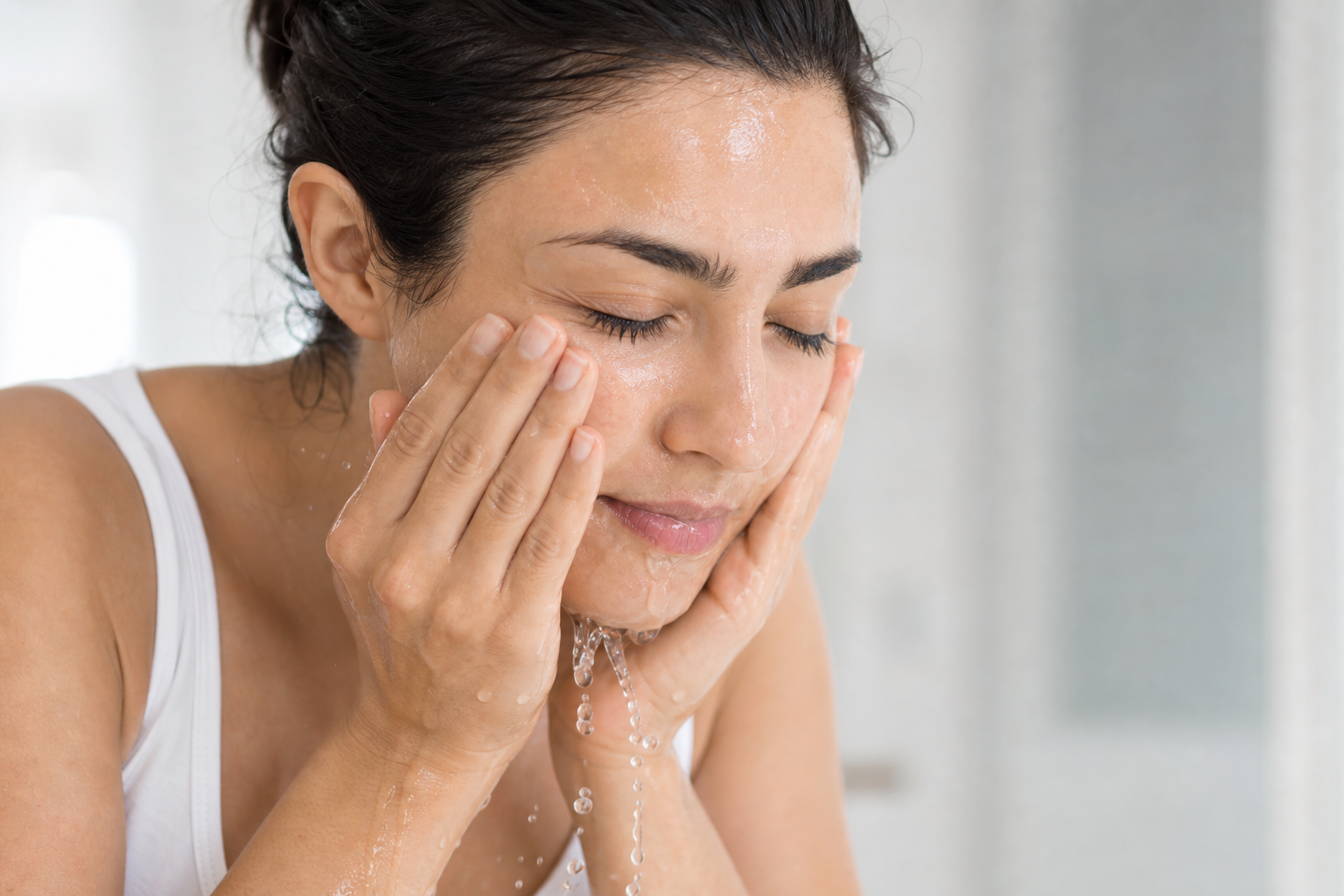
- Wash your hands first. Hand soap residue, sanitizer, cooking oils, and grime can transfer to your face. Rinse hands well before touching your skin. 2. Use lukewarm water. It should feel neutral, not steamy. Hot water can increase redness and make dry patches feel raw. 3. Use a small amount. A pea-to-nickel-size amount is usually enough. More cleanser does not mean a cleaner barrier; it often means more residue to rinse. 4. Massage with fingertips for 20 to 30 seconds. Focus on sunscreen zones: hairline, around the nose, jawline, and chin. Do not scrub cheeks that are already red. 5. Rinse completely. Leftover cleanser around the nostrils, jaw, or brows can create itching or flakes. 6. Pat, do not rub. A soft towel is fine. If towels bother you, use a clean cotton pad or let skin stay slightly damp. 7. Apply sensitive skin moisturizer quickly. Moisturizer works best when it traps a little water in the outer skin layer. Waiting until the face feels tight is waiting too long.
Morning cleansing is optional. If your skin is dry or stinging, splash with lukewarm water and moisturize. If you wake up oily, sweat at night, use heavy ointments, or have acne-prone skin, a brief morning cleanse may help. Night cleansing is usually more important because sunscreen, makeup, pollution particles, and sweat sit on the face all day.
A real example: a nurse wearing a mask for 12 hours may need a gentle cleanse after work, but not a second aggressive wash before bed. A runner in humid weather may need a quick rinse after sweating, followed by moisturizer, rather than waiting with salty sweat on the skin for hours.
Someone using prescription acne medication may need the opposite: less cleansing, more moisturizer, and clinician guidance.
Features That Matter More Than Marketing Claims
The front label can be reassuring, but the ingredient pattern tells you more. A good sensitive skin face wash should solve a problem without creating a bigger one. It should remove the day, rinse cleanly, and leave the face comfortable enough that you are not racing to apply moisturizer out of panic.
Here is a practical comparison table for cleanser features:
| Feature | Why it matters | Best fit | Potential downside |
|---|---|---|---|
| Fragrance-free formula | Reduces a common irritation trigger | Most reactive, rosacea-prone, or eczema-prone skin | May still contain other irritants, so patch testing helps |
| Cream or lotion texture | Cleans with less foam and often less stripping | Dry, tight, mature, or winter-stressed skin | May feel too rich for oily or acne-prone users |
| Gentle gel or low-foam texture | Removes oil and sunscreen without harsh scrubbing | Oily sensitive or combination skin | Can still be drying if used too often |
| Ceramides or glycerin | Supports a more comfortable after-feel | Barrier-damaged or dehydrated skin | Not a treatment by itself if dermatitis is active |
| No physical scrub particles | Avoids micro-tears and friction | Redness-prone, acne-prone, or irritated skin | People who like a polished feel may miss exfoliation |
| Easy rinse-off | Lowers risk of residue irritation | Anyone using sunscreen or makeup | Very slippery cleansers may need careful rinsing |
One overlooked feature is compatibility with the rest of your life. A cleanser that works on a calm Sunday may fail after a windy commute, a sweaty gym session, or a week of retinoid use. Keep notes for two weeks: what you used, how your skin felt right after cleansing, and how it looked the next morning. Patterns beat guesses.
Pros, Cons, and Tradeoffs of Gentle Cleansing
Gentle cleansing has clear benefits, but it is not magic. Knowing the tradeoffs helps reduce purchase uncertainty and prevents the common cycle of buying five "calming" products while the real problem is frequency, friction, or an active skin condition.
Pros of using a well-chosen sensitive cleanser: – Less post-wash tightness and fewer "my face feels stripped" moments. – Better tolerance for leave-on treatments such as moisturizers, sunscreen, azelaic acid, or retinoids. – Lower risk of worsening redness from friction or harsh surfactants. – More predictable routine building because the cleanser is not constantly resetting your barrier.
Cons or limitations: – Very gentle formulas may not fully remove long-wear makeup or water-resistant sunscreen in one pass. – Cream cleansers can feel too moisturizing for oily skin, especially in humid climates. – A cleanser will not cure rosacea, eczema, acne, contact dermatitis, or perioral dermatitis. – Switching too often can make it hard to tell what is actually causing irritation.
The best compromise for many people is not a stronger cleanser; it is smarter layering. If you wear heavy sunscreen or makeup, use a fragrance-free micellar water or cleansing balm first, then follow with a mild face wash only if needed. If double cleansing makes you red, stop. Your skin is giving you useful feedback.
Common Mistakes That Make Sensitive Skin Worse
The most common mistake is chasing a squeaky-clean feeling. Squeaky skin is not healthier skin. It often means the cleanser removed too much oil or the water was too hot. Sensitive skin usually feels best when it is clean but not polished.
Another mistake is using an exfoliating cleanser every day because the word "glow" sounds harmless. Cleansers with glycolic acid, salicylic acid, benzoyl peroxide, rough powders, or strong enzymes may be useful for some people, but they are not the default for a reactive barrier.
If your face burns when plain moisturizer touches it, pause exfoliating cleansers and ask a clinician if symptoms persist.
People also underestimate contact time. A cleanser that is tolerable for 15 seconds may sting at 60 seconds. This matters around the nose folds, under the lower lip, and near the eyes. Those areas trap residue and are easy to over-rub.
Watch these smaller habits too: – Using a washcloth with pressure because fingertips feel "not clean enough." – Cleansing after every minor oil breakthrough instead of blotting or rinsing. – Applying actives immediately after cleansing while the skin is damp and more penetrable. – Trying a new cleanser, moisturizer, sunscreen, and serum in the same week. – Ignoring hair products that run onto the forehead and cheeks in the shower.
If you have a sudden rash or one-sided irritation, think beyond the cleanser. Pillowcases, shampoo, hair dye, masks, topical medications, dental products, and even a new sensitive skin laundry detergent can change what touches your face for hours.
Build a Low-Irritation Routine Around Your Cleanser
A cleanser is only one contact point. If your face wash is gentle but your moisturizer stings, your sunscreen burns, and your towel is rough, the routine still fails. Sensitive skin usually improves when you reduce the number of variables.
A simple evening routine can be enough:
- Cleanse once with lukewarm water and a fragrance-free, nonabrasive cleanser. 2. Pat until the skin is damp, not dripping. 3. Apply a sensitive skin moisturizer with humectants and barrier-supportive ingredients. 4. Use any prescribed medication exactly as your clinician instructed. 5. In the morning, apply sunscreen if you will be exposed to daylight.
If your face is extremely dry, you can try a "moisturizer sandwich" on non-medicated nights: moisturizer, a thin layer of a clinician-approved active if you use one, then moisturizer again. Do not use this method to intensify prescription products unless your prescriber agrees.
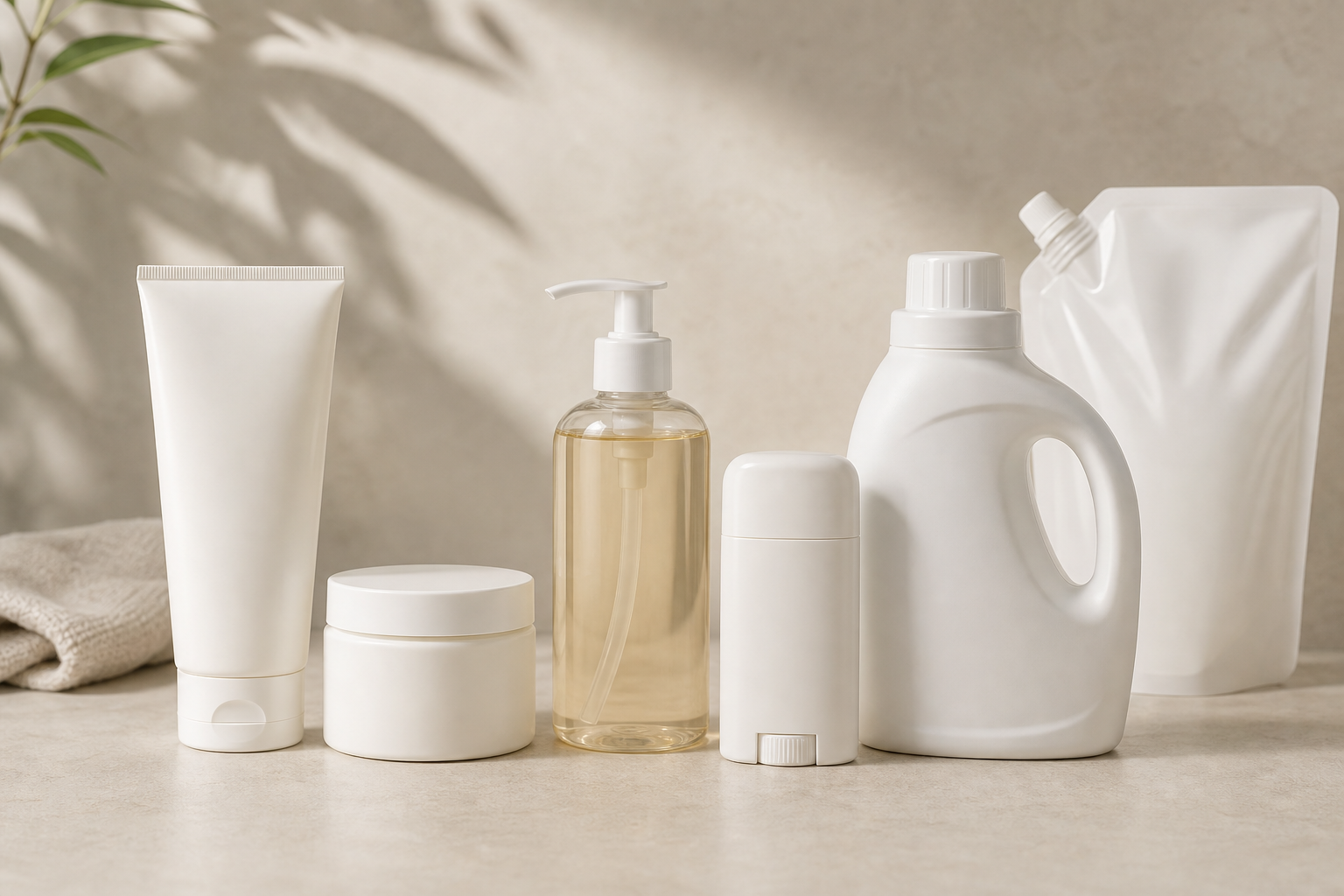
Your body-care products matter too. A reactive face often comes with a reactive neck, chest, armpits, or hands. A fragrance-free sensitive skin body wash can reduce itching after showers, especially in winter or in dry climates. A sensitive skin deodorant may help if fragrance or baking soda makes your underarms sting.
And yes, sensitive skin laundry detergent can matter because pillowcases, towels, masks, and collars stay in contact with facial and neck skin for long stretches.
For a deeper ingredient-by-ingredient breakdown, the National Eczema Association has helpful education on irritants and product selection: eczema-friendly product selection guidance. You can also compare barrier-supportive creams in Best Moisturizers for Sensitive Skin if your current moisturizer burns or pills under sunscreen.
Who Should Buy This Type of Cleanser-and Who Should Skip It
A gentle cleanser is a smart default if your skin often feels tight after washing, flushes easily, stings from fragrance, reacts to scrubs, or becomes flaky when weather changes. It is also a good starting point if you use retinoids, acne medication, post-procedure skin care approved by a clinician, or daily sunscreen.
You should be more selective if your skin is both oily and sensitive. In that case, the richest cream cleanser may leave residue, clog-prone areas may feel congested, and you may be tempted to over-cleanse. A low-foam gel or light lotion cleanser can be a better middle path.
Skip self-experimenting and see a dermatologist if your skin burns with plain water, develops swelling, oozes, crusting, painful cracks, eye-area inflammation, or persistent redness that does not settle. The same applies if you suspect an allergic reaction. Patch testing through a clinician can identify triggers that a normal shopping checklist cannot.
Who should buy it / who should skip it: – Buy or try a gentle face wash if your current cleanser leaves tightness, flakes, itching, or redness within 30 minutes. – Choose a lighter gel style if you are oily, acne-prone, or live in humid weather but still react to strong foaming washes. – Choose a cream or lotion style if you are dry, windburned, mature, or using drying treatments. – Skip fragranced "natural" cleansers if essential oils, citrus extracts, lavender, peppermint, or eucalyptus usually bother you. – Pause and call a clinician if irritation is painful, spreading, blistering, or linked to a prescription medication.
Practical Evaluation Checklist Before You Commit
Before buying a full-size bottle, reduce the gamble. Sensitive skin shoppers often feel stuck between fear of wasting money and fear of triggering a flare. A simple evaluation process can make the decision calmer.
Start with the label. The cleanser should be fragrance-free, nonabrasive, and appropriate for your oil level. If you see exfoliating acids, benzoyl peroxide, tea tree oil, menthol, strong botanical blends, or scrub particles, ask whether those match your current skin condition. They may not be "bad," but they are more active than a basic barrier-friendly wash.
Then patch test. Apply a small amount near the jaw or behind the ear, rinse as directed, and watch for delayed irritation over a day or two. Patch testing does not guarantee success on the whole face, but it catches some obvious mismatches.
Finally, test in a boring week. Do not introduce it the same night as a new serum, peel, sunscreen, or prescription change. Use it once nightly for several days. If your skin feels better, keep going. If it feels worse, stop early instead of trying to "push through." Cleansers should not require a purge.
A helpful two-week comparison looks like this: – After washing: comfortable, tight, itchy, or burning? – One hour later: calm, shiny-tight, flaky, or red? – Next morning: balanced, oily, congested, or irritated? – Around the nose and mouth: normal, peeling, or stinging? – With moisturizer: soothing, neutral, or burning?
This type of comparison is more useful than relying on star ratings alone. Reviews can show patterns, but your climate, water hardness, sunscreen, shaving habits, and medications change the outcome.
Recommendation: The Safest Way to Start in 2026
For most people with reactive skin, the best starting recommendation in 2026 is a fragrance-free, non-scrub, pH-conscious cleanser used once nightly with lukewarm water, followed immediately by a bland moisturizer. Choose texture by skin feel: cream or lotion for dry/tight skin, gentle gel for oily or combination skin, and avoid strong exfoliating cleansers until your barrier is calm.
If you wear heavy sunscreen or makeup, do not automatically reach for a harsher face wash. Try a separate gentle makeup-removal step, rinse thoroughly, and use your mild cleanser only as much as needed. If that still causes redness, bring your routine to a dermatologist; sometimes the "cleanser problem" is actually rosacea, eczema, allergic contact dermatitis, acne treatment irritation, or over-exfoliation.
My candid editorial take: boring is underrated here. The most reliable sensitive routines are usually not the prettiest shelfies. They are consistent, low-fragrance, low-friction, and easy to repeat when life is busy. Once your skin stays calm for several weeks, you can carefully add extras one at a time.
Until then, the cleanser's job is simple: clean without making your face feel like it needs emergency repair.
If sunscreen is the next product you are unsure about, Mineral vs Chemical Sunscreen for Sensitive Skin can help you compare irritation risk, white cast, and daily wear tradeoffs without turning your routine into a guessing game.
Frequently Asked Questions
Can I use sensitive skin face wash twice a day?
Yes, but only if your skin tolerates it. Twice-daily cleansing can make sense for oily skin, humid climates, heavy sweating, or nighttime ointment residue. If your face feels tight, flaky, or hot after morning cleansing, switch to a water rinse in the morning and cleanse at night.
Should sensitive skin use foaming or cream cleanser?
It depends on oil level and residue. Cream cleansers often suit dry or stinging skin because they feel cushioned and less stripping. Gentle foaming or gel cleansers can suit oily sensitive skin better. The wrong cream can feel heavy, and the wrong foam can feel drying, so judge by after-feel.
Why does my face burn after using a gentle cleanser?
Burning can happen when the skin barrier is already compromised, when the formula contains an ingredient you do not tolerate, or when you use hot water, too much pressure, or too many active products. If plain moisturizers or water also burn, stop experimenting and consult a clinician.
Do I need a separate cleanser for sunscreen?
Sometimes. Light daily sunscreen may rinse off with one gentle cleanse. Water-resistant sunscreen, mineral sunscreen, or long-wear makeup may need a fragrance-free first cleanse, such as micellar water or a balm, followed by a mild face wash. If double cleansing irritates you, use less friction rather than more cleanser.
Can sensitive skin laundry detergent affect my face?
Yes. Pillowcases, towels, masks, scarves, and collars touch facial and neck skin for hours. If you react around the jaw, cheeks, or eyes, switching to a fragrance-free sensitive skin laundry detergent and skipping fabric softener may help reduce background irritation.
What should I apply after sensitive skin face wash?
Apply a sensitive skin moisturizer while your face is slightly damp. Look for simple formulas with glycerin, ceramides, petrolatum, dimethicone, panthenol, or colloidal oatmeal, depending on your needs. In the morning, follow with sunscreen. Avoid layering strong acids or retinoids on irritated skin unless your clinician says it is appropriate.