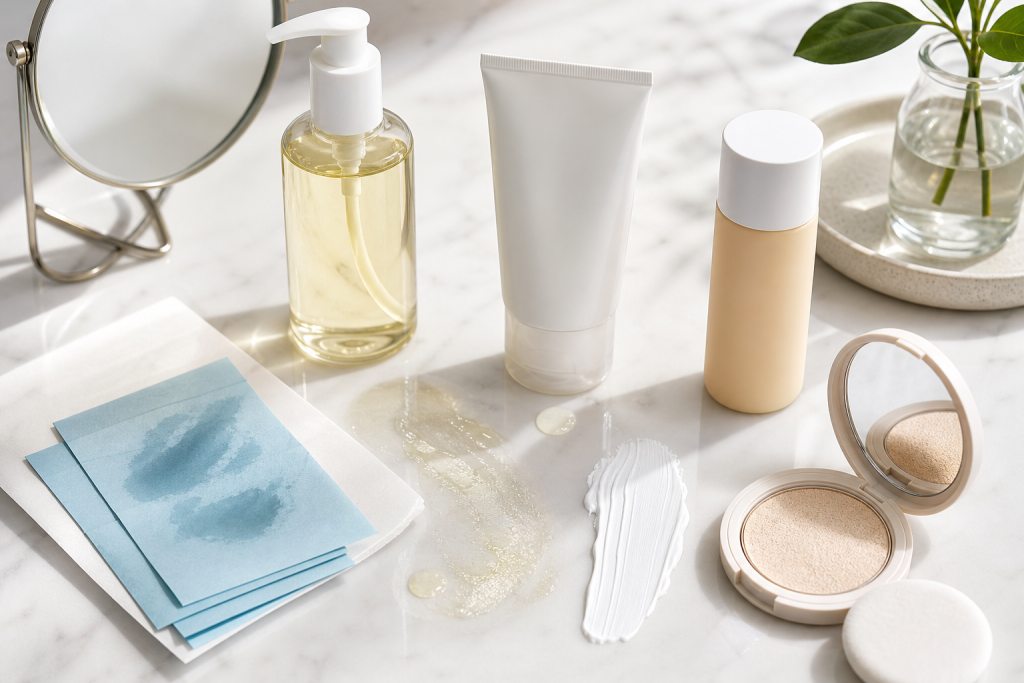
Disclaimer: This guide on sunscreen mistakes for oily skin is for general education only and is not medical advice or a medical diagnosis. If you have burning, swelling, a rash, eye pain, vision changes, or symptoms that keep coming back, talk with a dermatologist, doctor, or qualified clinician.
*Educational note: If sunscreen causes burning, swelling, persistent breakouts, rashes, melasma changes, or you have a history of skin cancer or photosensitivity, check in with a board-certified dermatologist or qualified clinician.*
If you have oily skin, sunscreen can feel like a trap: skip it and risk sun damage, wear the wrong one and you're shiny by lunch, congested by dinner, or tempted to wash your face three times a day. The good news?
Most sunscreen mistakes for oily skin are fixable with a few small changes-not a 12-step routine or a luxury product haul.
This quick guide focuses on practical moves: what to stop doing, what to look for, and how to make daily SPF feel less greasy. For a broader routine reset, see oily skin skincare routine.
The Short Answer: Oily Skin Still Needs Sunscreen-Just the Right Strategy
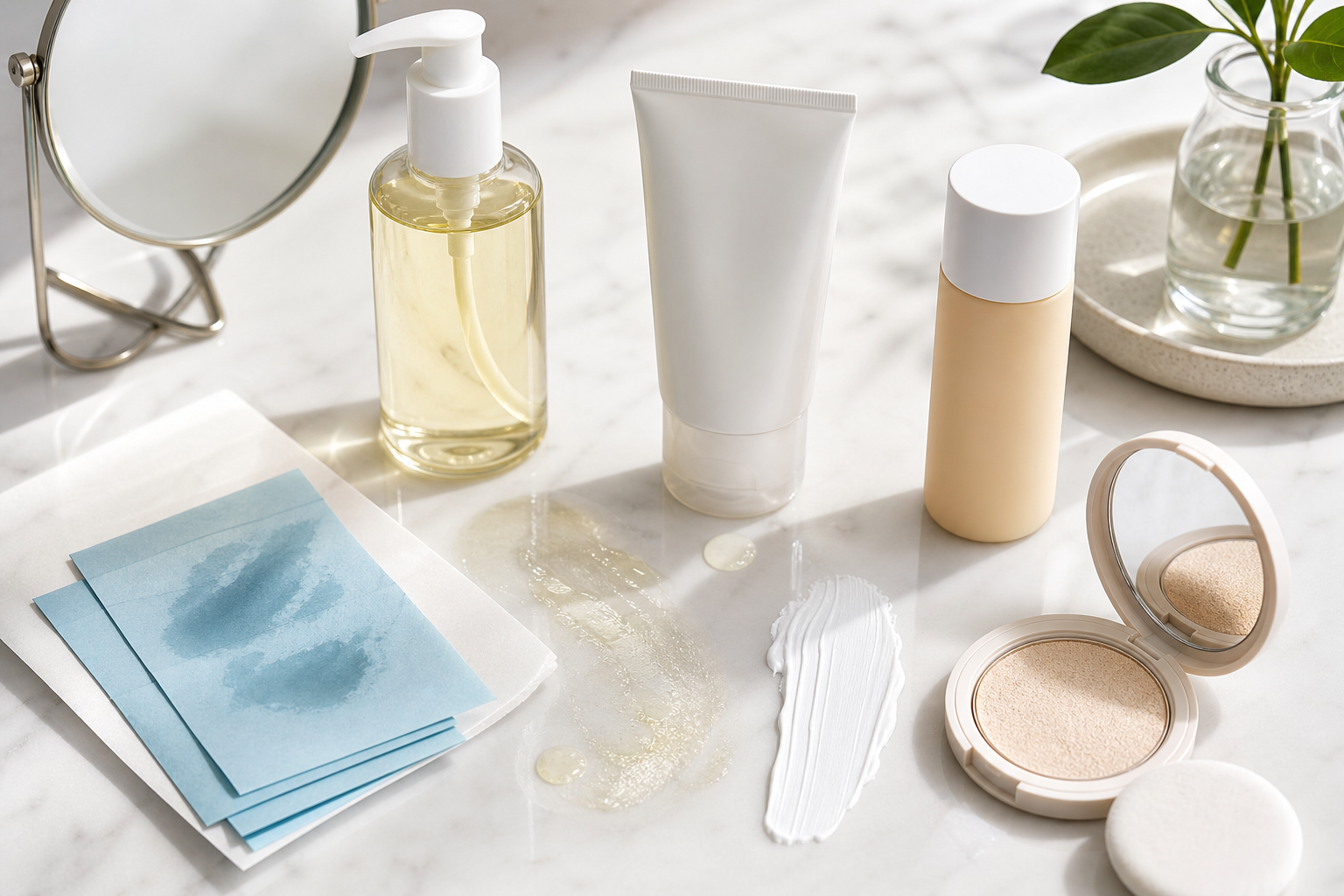
The biggest mistake is treating sunscreen like an optional extra or choosing formulas based only on SPF number. Oily skin usually does better with lightweight, non-comedogenic, broad-spectrum sunscreen that fits your routine and doesn't make you want to skip it.
Start Here: The Fast Oily-Skin SPF Checklist
Look for: – Broad-spectrum SPF 30 or higher for daily use – Oil-free or non-comedogenic labeling if you clog easily – Gel, fluid, serum, or lightweight lotion textures instead of heavy creams – Matte, soft-matte, or natural-finish claims if shine bothers you – Water-resistant formulas for sweat, outdoor time, or workouts – Fragrance-free options if your skin gets irritated or reactive
These are the core sunscreen mistakes for oily skin features to look for-not because labels are perfect, but because they help narrow the field.
Mistake #1: Skipping Sunscreen Because Your Skin Feels Greasy
Oil is not protection. Sebum can make your face look shiny, but it does not block UVA or UVB rays in any meaningful way. Sun exposure can worsen hyperpigmentation, redness, premature aging, and inflammation from acne marks.
Quick fix: Use a lightweight SPF as your final morning skincare step. If you hate the feel, try applying a smaller amount in two thin layers rather than one thick, slippery layer.
Mistake #2: Choosing the Heaviest Formula "Because It's Stronger"
A thick sunscreen is not automatically better. How does sunscreen mistakes for oily skin work as a concept? Usually, it comes down to mismatch: the SPF may protect well, but the texture encourages over-cleansing, under-applying, or skipping.
Quick fix: Pick the finish you can tolerate daily. The best sunscreen mistakes for oily skin for beginners to avoid are buying based on hype, using too little, and assuming mineral or chemical filters are always better for everyone.
Mistake #3: Under-Applying to Avoid Shine
Using a pea-sized amount for your whole face is common-but it often means you're getting far less protection than the label SPF.
Try this:
- Apply sunscreen after moisturizer, or use it in place of moisturizer if your skin is very oily. 2. Use enough to cover face, ears, neck, and hairline. 3. Let it set for a few minutes. 4. Blot gently or add a light dusting of powder if needed.
Is It Worth Switching Sunscreens?
If your current SPF stings, pills, breaks you out, or makes you avoid sunscreen, yes-is sunscreen mistakes for oily skin worth it to troubleshoot? Absolutely.
Think of sunscreen mistakes for oily skin vs alternatives this way: the "best" option is the one you'll apply generously and consistently, not the one with the prettiest label or an affordable sunscreen mistakes for oily skin review that doesn't match your needs.
Sunscreen mistakes for oily skin usually come down to texture, amount, timing, and removal. The goal is not to "dry out" your face; it is to protect your skin barrier while reducing shine, clogged pores, and midday slide. Educational note:
If sunscreen burns, causes persistent acne flares, rash, swelling, or stinging around the eyes, check in with a board-certified dermatologist or clinician.
1. Choosing the Wrong Formula for Oily Skin
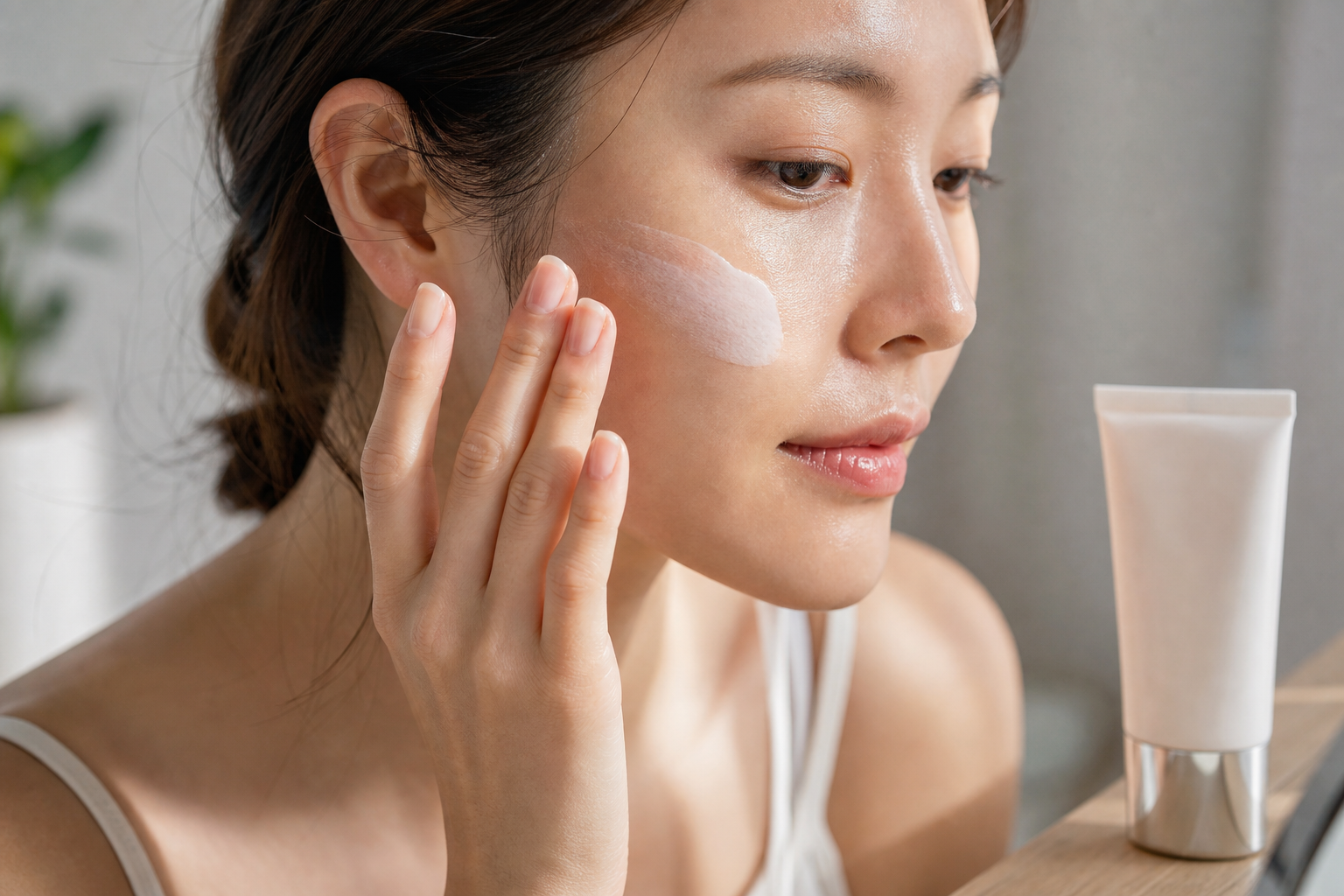
Mistake: picking rich, heavy SPF because it feels "stronger"
Heavy creams can be excellent for dry skin, but on oily or acne-prone skin they may feel greasy, pill under makeup, or encourage skipped use. If you have searched "best sunscreen mistakes for oily skin for beginners," start here: the best beginner fix is choosing a formula you will actually wear daily.
What to look for instead
Use these sunscreen mistakes for oily skin features to look for as a quick checklist: – "Oil-free" or "non-comedogenic" on the label – Gel, fluid, serum, milk, or lightweight lotion texture – Broad-spectrum SPF 30 or higher – Matte, soft-matte, or natural finish if shine bothers you – Fragrance-free if your skin is reactive – Water-resistant if sweating, exercising, or outdoors
Quick comparison table
| Common choice | Why it goes wrong | Better fix |
|---|---|---|
| Thick body sunscreen on the face | Feels greasy, may clog | Lightweight face SPF |
| Skipping moisturizer entirely | Skin may overcompensate | Use light gel moisturizer if needed |
| SPF makeup only | Usually under-applied | Layer real sunscreen first |
| Matte primer instead of SPF | No UV protection | Use primer over sunscreen |
For baseline sun-safety guidance, see the American Academy of Dermatology: [AAD sunscreen guidance](https://www.aad.org/public/everyday-care/sun-protection/sunscreen/how-to-select-sunscreen).
2. Applying Too Little, Too Late, or Too Unevenly
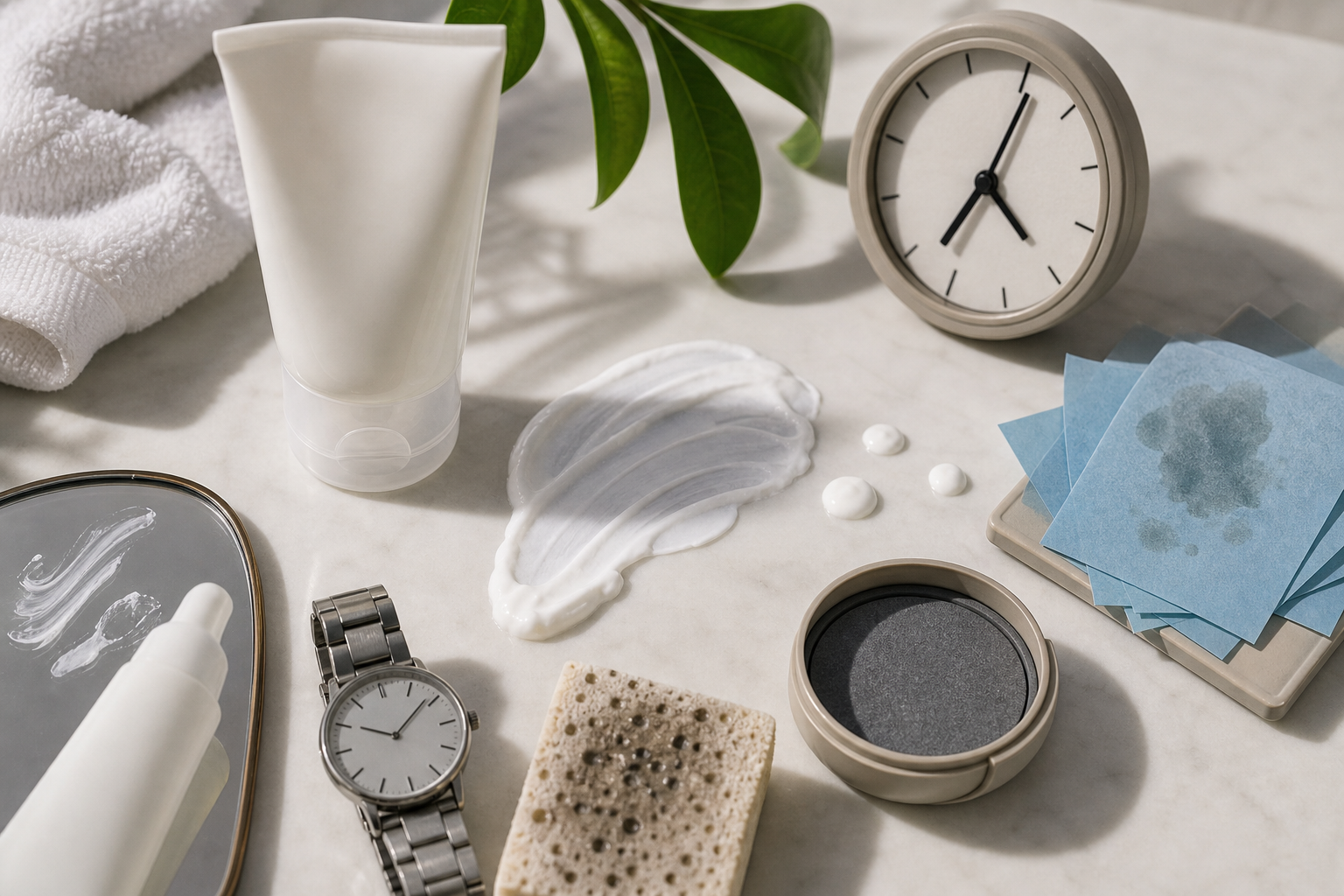
Mistake: using a pea-size amount
How does sunscreen mistakes for oily skin work in real life? Most failures happen because the film is too thin. Sunscreen needs an even layer to form reliable protection.
The practical application fix
- Apply sunscreen as the last skincare step in the morning.
- Use about two finger lengths for face and neck, adjusting for face size and product spread.
- Cover easy-to-miss oily zones: hairline, nose sides, upper lip, jawline, ears, and neck.
- Let it set for several minutes before makeup.
- Reapply every two hours outdoors, and after sweating or towel-drying.
Mistake: rubbing until it disappears completely
Aggressive rubbing can move product around instead of leaving a uniform layer. Smooth it on, then lightly press over shiny areas.
3. Managing Shine the Wrong Way
Mistake: fighting oil with harsh products
Astringent toners, gritty scrubs, and over-cleansing can damage the barrier and make sunscreen sting or separate. This is where "sunscreen mistakes for oily skin vs alternatives" matters: the alternative is not skipping SPF; it is pairing SPF with a calmer routine.
Better shine-control routine – Cleanse once in the morning with a gentle cleanser. – Use niacinamide or lightweight hydrators if tolerated. – Choose matte SPF rather than layering multiple heavy products. – Blot oil with papers instead of adding more powder repeatedly. – Reapply with a light SPF fluid, stick, or cushion if compatible with your skin.
Is sunscreen mistakes for oily skin worth it?
Fixing these mistakes is worth it because consistent SPF helps prevent sunburn, dark spots, premature aging, and UV-triggered irritation. You do not need an expensive routine; an affordable sunscreen mistakes for oily skin a practical review of what helps with should focus less on luxury claims and more on comfort, finish, broad-spectrum protection, and whether you will use enough every day.
Oily skin does not mean you can skip SPF, and it also does not mean every sunscreen will feel greasy. The goal is to build a simple routine that protects your skin barrier, controls shine, and avoids the most common sunscreen mistakes for oily skin.
This is general education, not medical advice; if you have acne that is painful, worsening, or paired with irritation, see a board-certified dermatologist or qualified clinician.
1. Apply SPF in the Right Order, Not as an Afterthought
Step-by-step morning workflow
- Cleanse gently. Use a mild gel or foaming cleanser. Avoid stripping formulas that leave skin tight; rebound oil can make sunscreen pill or slide. 2. Treat only where needed. If you use niacinamide, azelaic acid, or acne medication, apply a thin layer and let it settle. 3. Moisturize strategically. Oily skin may still need hydration. Choose a lightweight gel-cream or skip moisturizer only if your sunscreen is hydrating enough. 4. Apply sunscreen generously. Use two finger lengths for face and neck, or enough to create an even layer. 5. Wait before makeup. Give SPF 5-10 minutes to set before primer, foundation, or powder.
Quick mistakes to stop making – Using less sunscreen because your skin is oily – Relying on SPF in foundation as your only protection – Applying sunscreen only on sunny days – Skipping the hairline, ears, jaw, and neck – Blotting immediately after application and removing coverage
If you are new to SPF, the best sunscreen mistakes for oily skin for beginners to fix first are under-applying and choosing formulas that are too heavy for daily use. Learn the basics in daily sunscreen routine.
2. Choose Texture and Finish Before Trendy Ingredients
Sunscreen mistakes for oily skin features to look for
Product selection matters. Instead of shopping by hype, look for: – Broad-spectrum SPF 30 or higher – Oil-free or non-comedogenic labeling – Gel, fluid, serum, or lightweight lotion texture – Matte, natural-matte, or soft-focus finish – Water-resistant claims if you sweat or commute in heat – Fragrance-free options if your skin is reactive
How does sunscreen mistakes for oily skin work as a topic? Usually, the "mistake" is not sunscreen itself-it is the mismatch between skin behavior and formula. Heavy creams can feel slick, but very drying mattifying sunscreens can also backfire by making skin irritated or flaky.
Who should skip certain approaches
Skip highly mattifying alcohol-heavy formulas if you have a compromised barrier, stinging, peeling from retinoids, or eczema-prone patches. Skip tinted mineral sunscreens that feel pasty if they make you apply too little. Skip DIY mixing sunscreen with moisturizer or foundation; dilution can reduce protection. For sunscreen science and safety guidance, see [external-link:American Academy of Dermatology sunscreen FAQs].
3. Reapply Without Turning Your Face Into an Oil Slick
Midday SPF workflow
- Blot first. Press oil-absorbing paper or a clean tissue on shiny areas. Do not rub. 2. Reapply with a compatible format. Use a lightweight fluid, cushion-style SPF, or sunscreen stick around high-exposure areas. 3. Set only if needed. A small amount of translucent powder can reduce shine, but do not use powder SPF as your only reapplication method unless you apply enough. 4. Recheck high-friction zones. Nose, upper lip, cheeks, and forehead often lose coverage first.
Sunscreen mistakes for oily skin vs alternatives
Mattifying primer is not an SPF alternative. Setting powder is not a complete shield. Hats and shade help, but they work best with sunscreen, not instead of it. If you are comparing options after an affordable sunscreen mistakes for oily skin review, prioritize comfort plus consistent use over the most elegant finish.
So, is sunscreen mistakes for oily skin worth it to troubleshoot? Yes-because the right routine can reduce shine while keeping UV protection reliable. If every SPF burns, breaks you out, or worsens acne, stop experimenting randomly and ask a clinician for help narrowing triggers.
Frequently Asked Questions
What are the most common sunscreen mistakes for oily skin?
The biggest mistakes are usually simple, not dramatic: – Choosing heavy, greasy formulas that sit on top of skin – Skipping moisturizer.
Which can trigger more oiliness from dehydration – Applying too little sunscreen to avoid shine – Not reapplying because the skin already feels slick – Using makeup with SPF as the only protection – Assuming oily or acne-prone skin does not need daily sunscreen
A better approach: use a lightweight, broad-spectrum SPF 30 or higher, apply enough, and control shine with formula choice-not by underapplying.
How does sunscreen for oily skin work without making my face greasier?
If you are wondering, "how does sunscreen mistakes for oily skin work," the real issue is how the right sunscreen works for oily skin. Modern formulas use lightweight filters, oil-absorbing powders, gel textures, or silicone-based finishes to spread evenly without a heavy feel.
Look for labels like: – Oil-free – Non-comedogenic – Matte finish – Gel, fluid, or water-light texture – Fragrance-free if you are sensitive
Mineral and chemical sunscreens can both work. Texture matters more than the category.
What sunscreen features should oily skin look for?
The best sunscreen mistakes for oily skin for beginners are usually avoidable when you know what to shop for. Key sunscreen mistakes for oily skin features to look for include:
- Broad-spectrum SPF 30+
- Lightweight lotion, gel, serum, or fluid texture
- Non-comedogenic testing
- Low or no added fragrance
- A finish described as natural, soft matte, or matte
- Compatibility with moisturizer and makeup
Avoid formulas that feel waxy, balmy, or overly rich unless your skin is oily only in the T-zone and dry elsewhere.
Is it a mistake to skip moisturizer if I have oily skin?
Yes, often. Oily skin can still be dehydrated. When you skip moisturizer, your barrier may feel tight, irritated, or extra shiny later in the day.
Try this quick routine: – Cleanse gently; do not strip. – Apply a light gel-cream or hydrating serum. – Let it settle for one minute. – Apply sunscreen generously.
If your sunscreen is hydrating enough, it may replace morning moisturizer. But if your face feels tight, flaky, or stings, add a lightweight moisturizer back in.
Sunscreen for oily skin vs alternatives: can I just use powder SPF or makeup SPF?
For sunscreen mistakes for oily skin vs alternatives, powder SPF and makeup SPF are helpful add-ons, not reliable stand-alone protection. Most people do not apply enough foundation, tint, or powder to reach the labeled SPF.
Use this order instead: – Main protection: dedicated sunscreen – Optional support: SPF foundation, tinted moisturizer, or powder SPF – Reapplication help: powder or mist SPF when liquid reapplication is not practical
For long outdoor exposure, sweating, or swimming, use a water-resistant sunscreen and reapply as directed.
Is sunscreen for oily skin worth it if I break out easily?
Yes-daily sunscreen is worth it for most oily and acne-prone skin types. UV exposure can worsen post-acne marks, uneven tone, redness, and premature aging. The trick is finding a formula your skin tolerates.
If every sunscreen seems to break you out, patch test for a few days along the jawline, then try full-face use. An affordable sunscreen mistakes for oily skin a practical review of what helps with can help you compare textures, but your own skin response matters most.
Educational note: skincare advice is general and not a diagnosis. See a board-certified dermatologist or licensed clinician if you have painful acne, rashes, burning, swelling, or persistent irritation. For more routine-building help, see internal-link: oily-skin-skincare-routine.
Related Routine Guides
For a related next step, read sensitive skin sunscreen routine before changing your whole routine. For a related next step, read morning skincare order before changing your whole routine. For a related next step, read how to reapply sunscreen over makeup before changing your whole routine.
Source Notes
I would treat sunscreen mistakes for oily skin as a comfort and safety question, not just a product question. For safety context, check American Academy of Dermatology sunscreen selection guidance and FDA sunscreen safety guidance.