Disclaimer: This guide on affordable sensitive skin review routine tips is for general education only and is not medical advice or a medical diagnosis. If you have burning, swelling, a rash, eye pain, vision changes, or symptoms that keep coming back, talk with a dermatologist, doctor, or qualified clinician.
If your face stings after "gentle" products, gets tight after cleansing, or turns red when you try something new, these affordable sensitive skin review routine tips are meant to reduce purchase uncertainty-not push you into a 12-step shelf. Sensitive skin usually does better with fewer products, better ingredient choices, and slower testing.
Medical note: this guide is educational, not a diagnosis. If you have severe burning, swelling, infection signs, painful rashes, scarring acne, persistent eczema-like patches, or skin changes during pregnancy, nursing, or prescription medication use, talk with a board-certified dermatologist or qualified clinician.
Product | Approx.
price range | Best role | Key specs | Main drawback | Skip it if — | — | — | — | — | — Vanicream Gentle Facial Cleanser | $9-$13 | Best low-risk cleanser | Fragrance-free, dye-free, non-comedogenic, 8 oz | Can feel too plain if you like a creamy finish | You need makeup removal in one step CeraVe
Best for dry-sensitive skin | Cream cleanser, ceramides, hyaluronic acid, 8-16 oz | May feel filmy on oily skin | You dislike non-foaming cleansers La Roche-Posay Toleriane Double Repair Face Moisturizer | $20-$24 | Best balanced moisturizer | Ceramide-3, niacinamide, glycerin, 2.5 oz | Higher cost per ounce than drugstore tubs | Niacinamide bothers your skin Aveeno Calm + Restore Oat Gel
gel-cream | Colloidal oat, fragrance-free, 1.7 oz | Small jar for the price | You need a very occlusive winter cream Neutrogena Sheer Zinc Mineral Sunscreen SPF 50 | $12-$17 | Best budget mineral SPF | Zinc oxide, broad spectrum, 3 oz | Noticeable white cast on many skin tones | You want invisible daily wear
The Short Answer: Choose a simple sensitive-skin routine with the fewest irritation risks
For most budget-conscious sensitive skin, start with a fragrance-free cleanser, a barrier-supporting moisturizer, and broad-spectrum sunscreen. Buy one product per category, patch test for several days, and avoid adding acids, retinoids, or vitamin C until your skin feels calm for two to four weeks.
Why sensitive skin needs a different buying strategy
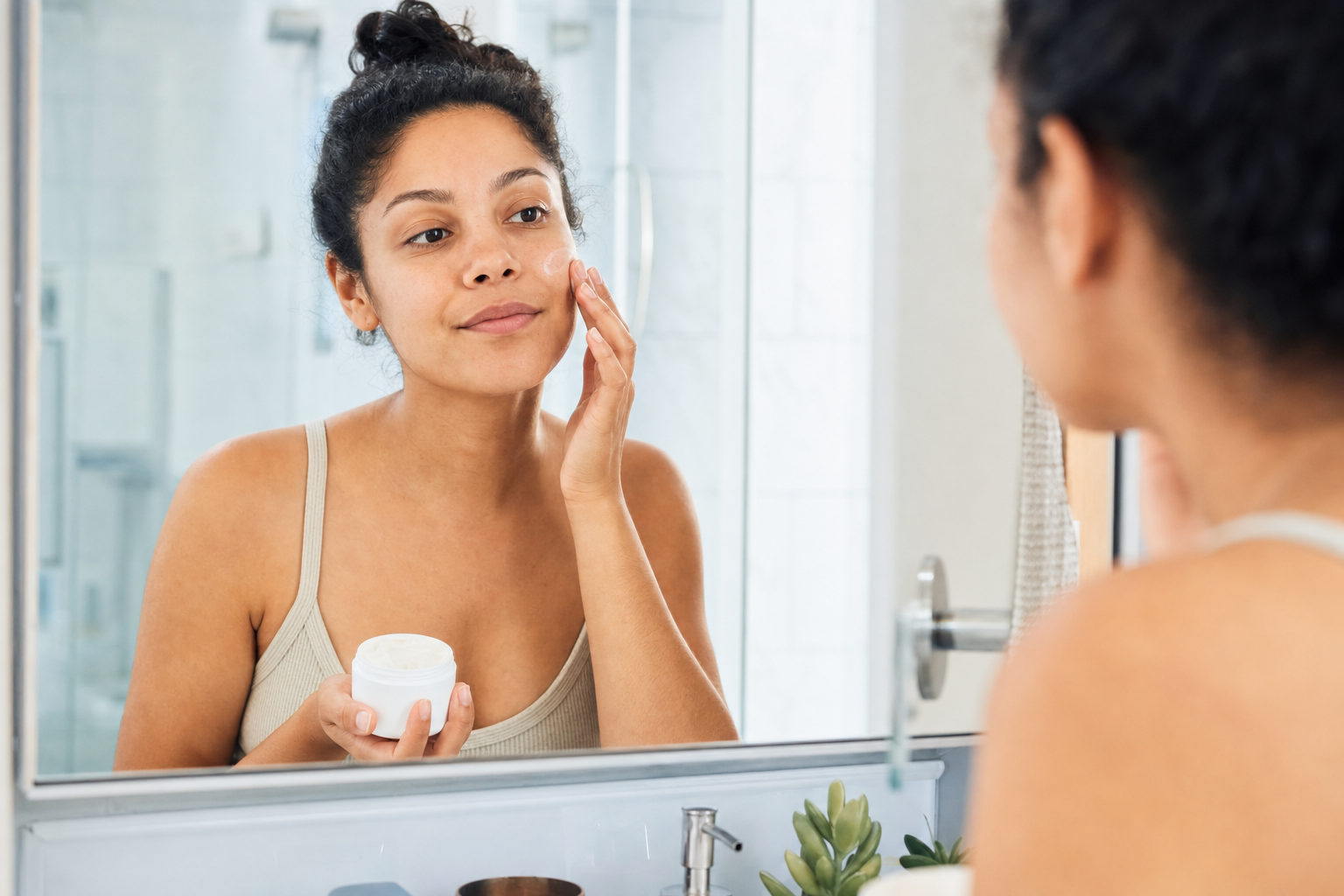
Sensitive skin is not a single medical diagnosis. It is a pattern: your skin reacts more easily to triggers such as fragrance, harsh cleansing, weather shifts, over-exfoliation, sunscreen filters, acne products, or even too many "soothing" ingredients layered at once.
The American Academy of Dermatology emphasizes gentle cleansing, moisturizing, and sun protection as basics for everyday skin care, and those basics matter even more when your skin barrier is easily irritated. dermatologist-reviewed skin care basics
The commercial trap is that sensitive skin shoppers often spend more because they buy in panic. A serum burns, so they buy a repair balm. The balm clogs them, so they buy an exfoliant. The exfoliant makes them peel, so they buy another calming mask. That cycle can turn a $30 routine into a $180 drawer of half-used products.
A better review routine starts with boring products that earn their place. You want formulas with fewer obvious irritants, useful barrier ingredients, realistic price-per-use, and a texture you will actually apply every day. "Affordable" does not mean the cheapest bottle on the shelf.
It means the product does its job, lasts long enough, and does not force you to buy three more products to compensate for its flaws.
If you are building from zero, your first routine should be only three steps:
- Gentle cleanser at night, and possibly only water in the morning. 2. Moisturizer after cleansing, while skin is slightly damp. 3. Broad-spectrum sunscreen every morning when you will be exposed to daylight.
That sounds almost too simple, but for reactive skin it is often the safest way to learn what your face tolerates. If you want a deeper beginner primer before comparing products, read our sensitive-skin basics guide here: Sensitive Skin Routine for Beginners.
Affordable sensitive skin review routine tips for choosing products
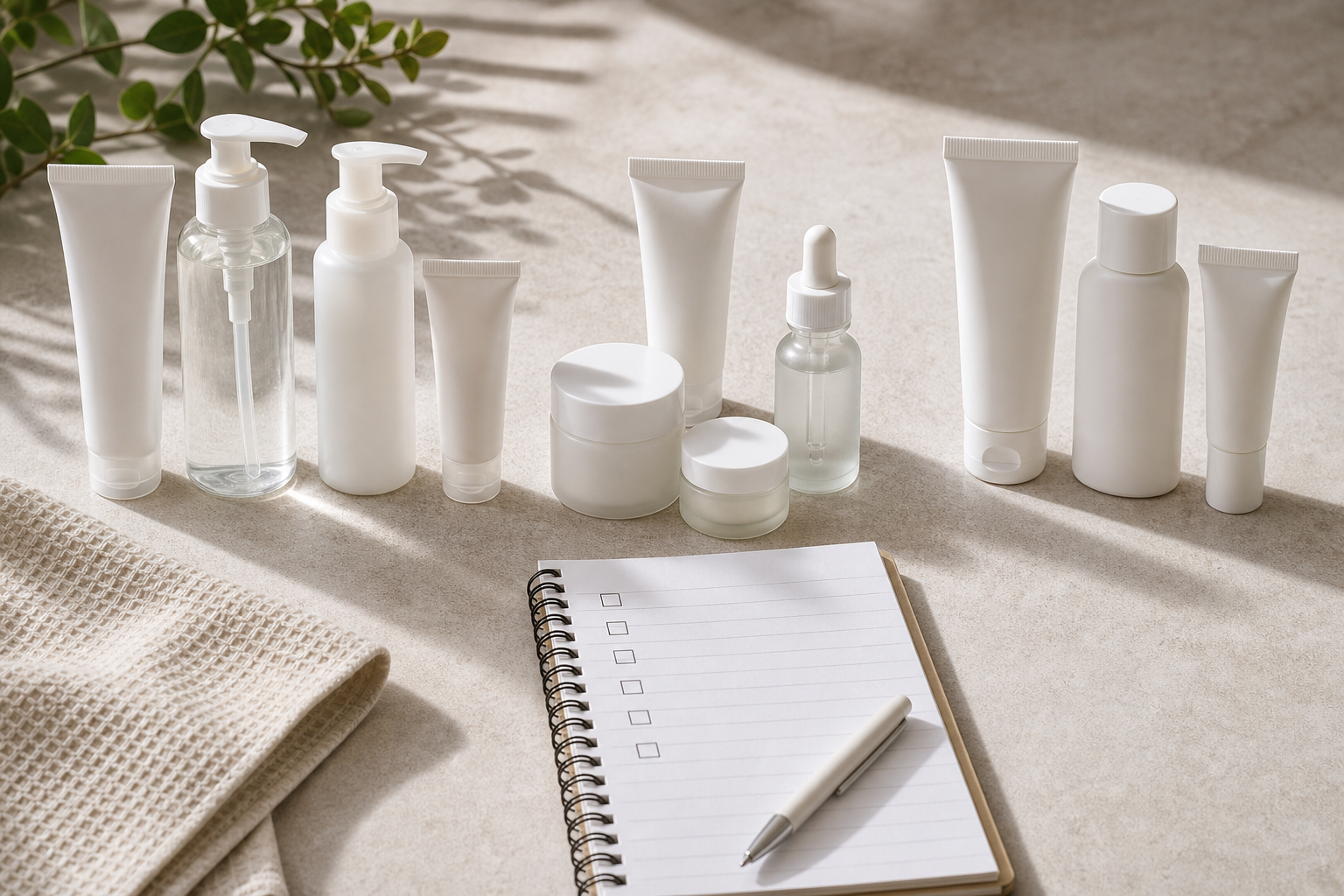
The most useful affordable sensitive skin review routine tips come down to three questions: does the product reduce friction, does it support the barrier, and can you keep using it without financial regret?
A cleanser should remove sweat, sunscreen, and light makeup without leaving your face squeaky, hot, or tight. A moisturizer should reduce dryness and help your skin feel less reactive over time, not just sit on top for five minutes. A sunscreen should be broad spectrum and wearable enough that you do not avoid it.
Here is the practical evaluation checklist I would use before buying: – Fragrance-free, not just "unscented." Unscented products can still include masking fragrance. – No gritty scrubs, menthol, eucalyptus, strong essential oils, or high-alcohol toners. – Barrier-friendly ingredients such as glycerin, petrolatum, dimethicone, ceramides, colloidal oatmeal, panthenol, or squalane. – A price you can repeat every one to three months without rationing. – Packaging that matches the formula.
Pumps and tubes are often cleaner and easier than open jars, though jars are not automatically bad. – Clear sunscreen labeling: broad spectrum, SPF 30 or higher, and water resistance if needed.
Tests and reviews commonly focus on feel, residue, ingredient profile, packaging, value, and how often users report stinging. Those signals are helpful, but your own patch test still matters because sensitive skin is personal. A product can be excellent on paper and still wrong for you.
Best affordable sensitive skin routine: the practical product stack
This is not a "buy everything" routine. Think of it as a short list of realistic options. You only need one cleanser, one moisturizer, and one sunscreen at first.
If your skin is extremely reactive, buy the cleanser and moisturizer first, then introduce sunscreen once the base routine feels comfortable-unless you are outside often, in which case sun protection is still a priority.
Core routine option: lowest-risk budget starter
For many people, the simplest starter set is Vanicream Gentle Facial Cleanser, Vanicream Moisturizing Cream or Daily Facial Moisturizer, and a mineral sunscreen you can tolerate. Vanicream's appeal is not glamour. It is restraint. The Gentle Facial Cleanser is fragrance-free, dye-free, lanolin-free, and non-comedogenic.
The 8-ounce pump bottle usually sits around the low drugstore price range, and it lasts well because you need only a small amount.
The drawback is that it can feel utilitarian. If you wear long-wear foundation or water-resistant sunscreen, it may not remove everything in one cleanse. In that case, use a very plain micellar water first or a gentle cleansing balm that you have patch tested. Do not scrub harder to make a mild cleanser behave like a makeup remover.
Who should buy it: beginners, fragrance-sensitive shoppers, people who have reacted to "natural" products, and anyone trying to stop the product-hopping cycle.
Who should skip it: people who love a rich milky cleanser texture, people with heavy makeup routines, or anyone whose skin feels dry even after non-foaming cleansers.
Dry-sensitive option: more comfort, still affordable
CeraVe Hydrating Facial Cleanser is a strong pick when skin feels tight, flaky, or winter-stressed. It is a non-foaming cream cleanser with ceramides and hyaluronic acid, sold in multiple sizes. The larger bottles are often the better value. It does not give that stripped-clean feeling, which is the point.
The tradeoff is residue. Some oily or combination skin users find it too lotion-like, especially in humid weather. It can also be underwhelming if you expect a cleanser to remove full sunscreen and makeup without help. Still, for dry-sensitive skin, it often makes more sense than buying a harsh cleanser and then trying to repair the damage with a pricey serum.
If you live in a cold climate or work in dry indoor air, pair it with a moisturizer that includes ceramides or petrolatum at night. For routine troubleshooting, our guide to barrier repair mistakes can help you narrow down what changed: Skin Barrier Repair Mistakes.
Balanced moisturizer option: good feel, better daily compliance
La Roche-Posay Toleriane Double Repair Face Moisturizer is not the cheapest moisturizer per ounce, but it can be a good value if you need a face-specific cream that feels polished, layers under sunscreen, and avoids fragrance. It includes glycerin, ceramide-3, and niacinamide. The texture is a medium lotion-cream: more comfortable than a gel, less heavy than an ointment.
The obvious downside is price. A 2.5-ounce tube can cost close to what a larger drugstore moisturizer costs. Also, niacinamide is well tolerated by many people, but not all. Some sensitive skin users report flushing or stinging with niacinamide-heavy formulas, especially when their barrier is already compromised.
Who should buy it: people who want one day-night moisturizer, combination-sensitive skin, and shoppers who hate thick creams.
Who should skip it: anyone who knows niacinamide triggers redness, people on a very tight budget who need maximum ounces per dollar, or those with severely dry skin needing an occlusive layer.
Lightweight calming option: when heavy creams feel suffocating
Aveeno Calm + Restore Oat Gel Moisturizer is useful for sensitive skin that gets red or prickly but still dislikes heavy creams. Colloidal oat has a long history in itch and irritation care, and the gel-cream texture is comfortable under sunscreen. It is fragrance-free and feels more elegant than many budget moisturizers.
The weak point is size. At 1.7 ounces, it can disappear quickly if you use it generously on face and neck. It may also be too light for winter nights or retinoid recovery periods. I would treat it as a daytime or warm-weather moisturizer rather than the only moisturizer for very dry skin.
This is where value becomes personal. If a light texture keeps you consistent and prevents you from abandoning moisturizer, it may be worth more than a cheaper cream you hate using.
Sunscreen option: affordable protection with real cosmetic tradeoffs
Neutrogena Sheer Zinc Mineral Sunscreen SPF 50 is a budget-friendly mineral sunscreen with zinc oxide and broad-spectrum coverage. Mineral sunscreens are often attractive to sensitive skin shoppers because some people find them less sting-prone around the eyes than certain chemical filters.
The FDA explains that broad-spectrum sunscreen helps protect against UVA and UVB exposure, and SPF 30 or higher is commonly recommended for routine use.
FDA sunscreen consumer guidance
The problem is the white cast. "Sheer" is relative. On deeper skin tones, facial hair, or dry patches, this product can look obvious. It can also feel thick. If you will not wear it, it is not the best sunscreen for you, even if the ingredient list looks reassuring.
Alternatives to compare include Blue Lizard Sensitive Mineral Sunscreen SPF 50+, CeraVe Hydrating Mineral Sunscreen SPF 30 Face Sheer Tint, and La Roche-Posay Anthelios Mineral Tinted Sunscreen SPF 50. Tinted mineral options may look better on some skin tones, but shade range is limited and prices climb quickly.
Sensitive skin features to look for: routine tips that prevent wasted money
The phrase "sensitive skin" on a package is not enough. Brands use it loosely, and two sensitive-skin products can behave very differently. The sensitive skin features to look for routine tips are mostly about reducing predictable irritation risks while keeping the formula useful.
Look for these features first:
- Fragrance-free labeling. This is the fastest filter for many shoppers. 2. A short, functional ingredient list. Shorter is not always better, but it can make reactions easier to track. 3. Humectants such as glycerin or hyaluronic acid. These help pull water into the outer skin layer. 4. Barrier-supporting lipids such as ceramides, cholesterol, fatty acids, or squalane. 5. Occlusives such as petrolatum or dimethicone for dryness and wind exposure. 6. Sunscreen that says broad spectrum and SPF 30 or higher. 7. Return-friendly retailers, because sensitive skin products are never guaranteed.
Avoid assuming that "clean," "botanical," "natural," or "dermatologist inspired" means safer. Plant extracts and essential oils can be irritating. So can products marketed as medical-looking if they include actives your skin is not ready for.
A practical example: if your cheeks sting after cleansing but your forehead is oily, do not buy a stronger cleanser. Use a gentle cleanser only at night, rinse with water in the morning, and apply a light moisturizer to oily areas while using a richer cream only on cheeks. Sensitive skin often needs zone-based application, not a whole new routine.
Sensitive skin vs alternatives: routine tips for comparing formulas
When comparing sensitive skin vs alternatives routine tips, the real question is not "Which product is best?" It is "Which compromise can I live with?" Every product asks for a compromise: price, texture, finish, ingredient complexity, or convenience.
Plain moisturizers such as Vanicream Moisturizing Cream or CeraVe Moisturizing Cream offer better cost per ounce than boutique calming creams. They are great for night use, dry patches, and winter. But they can feel heavy under makeup or sunscreen.
Gel creams such as Aveeno Calm + Restore feel nicer in the morning and are easier for oily-sensitive skin. But they usually cost more per ounce and may not seal in moisture well enough during cold weather.
Mineral sunscreens may sting less for some users and work immediately after application. But they can leave a cast and feel thick. Chemical sunscreens can be more transparent and elegant, but some formulas sting eyes or trigger burning on compromised skin.
Active serums are where beginners lose the most money. Vitamin C, exfoliating acids, retinoids, and brightening blends can be useful later, but they are not the foundation. If your skin is reactive right now, the best alternative to an active serum is often patience plus moisturizer.
Technical comparison table:
Product type | Best for | Common helpful ingredients | Common irritation risks | Value signal | Better alternative if it fails — | — | — | — | — | — Gel cleanser | Oily-sensitive skin, humid climates | Glycerin, mild surfactants | Over-cleansing, fragrance, sulfates | Large bottle, low amount needed | Cream cleanser Cream cleanser | Dry-sensitive skin,
| Residue, poor makeup removal | Larger pump sizes | Micellar pre-cleanse plus mild cleanser Gel-cream moisturizer | Redness-prone, combination skin | Oat, panthenol, glycerin | Too light for barrier damage | Comfortable daily use | Cream moisturizer at night Rich cream | Dry, flaky, wind-exposed skin | Petrolatum, ceramides, dimethicone | Heavy feel, breakouts in some users | Large tub or tube | Use only on dry |
|---|
zones Mineral sunscreen | Eye-stinging, reactive skin | Zinc oxide, titanium dioxide | White cast, thickness | SPF 30+, broad spectrum | Tinted mineral or hybrid sunscreen Chemical sunscreen | Cosmetic elegance | Modern UV filters, humectants | Eye sting, burning on damaged skin | You wear it daily | Mineral sunscreen
Sensitive skin mistakes beginners should avoid
The most expensive sensitive skin mistakes beginners should avoid are not always dramatic. They are small decisions repeated too often.
First, do not test five new products at once. If your skin burns, you will not know which formula caused it. Introduce one product at a time and give it several days, longer if your skin is very reactive.
Second, do not confuse tightness with cleanliness. A cleanser that leaves your skin squeaky may be disrupting your barrier. Mayo Clinic's basic skin care guidance also emphasizes gentle cleansing and moisturizing rather than aggressive washing. Sensitive skin usually prefers boring consistency over dramatic resurfacing.
Third, avoid using acne products as spot treatments all over the face unless directed. Benzoyl peroxide, salicylic acid, and adapalene can be helpful for acne-prone skin, but they can also irritate when layered with exfoliating toners, scrubs, or strong cleansers.
Fourth, do not chase every redness product. Some calming formulas include many botanical extracts, and a long calming list is still a long list of possible triggers.
Fifth, do not skip sunscreen because every sunscreen you tried felt bad. Change the format instead: mineral, tinted mineral, lightweight chemical, fragrance-free face-specific lotion, or a hat plus shade as backup. Sun exposure can worsen visible redness and uneven tone for many people.
A simple patch-test method can reduce regret: – Apply a small amount near the jawline or behind the ear once daily for three days. – If no burning, swelling, rash, or strong itching appears, try it on a small facial area. – Use it every other day at first if your skin is extremely reactive. – Stop if you get persistent burning, hives, swelling, or worsening rash.
Patch testing is not perfect, but it is better than applying a new product to your entire face the night before an event.
How does sensitive skin work? Mistakes to avoid when your barrier is stressed
People often ask, "How does sensitive skin work, and what mistakes should I avoid?" In plain terms, the outer skin barrier helps keep water in and irritants out. When that barrier is disrupted, products that once felt fine may suddenly sting. Weather, over-cleansing, exfoliation, acne treatments, shaving, masks, and stress can all make skin feel more reactive.
This is why sensitive skin can seem inconsistent. Your favorite moisturizer may burn one week and feel fine the next. That does not always mean the product changed. Your skin condition may have changed.
When your barrier feels stressed, pause these categories first:
- Exfoliating acids, including glycolic, lactic, and salicylic acid. 2. Retinoids, unless prescribed and your clinician gave specific instructions. 3. Vitamin C serums, especially low-pH L-ascorbic acid formulas. 4. Fragranced facial oils and essential oil blends. 5. Clay masks, scrubs, and peel pads. 6. Hot water cleansing and washcloth scrubbing.
Then return to cleanser, moisturizer, and sunscreen. If even plain moisturizer burns for more than a brief moment, or if redness, cracking, oozing, swelling, or pain persists, get professional care. Sensitive skin advice should not delay treatment for dermatitis, infection, allergic reactions, rosacea, or other conditions that need medical evaluation.
Pros and cons of an affordable sensitive-skin routine
A low-cost sensitive-skin routine has real advantages, but it is not magic. Here is the honest review.
Pros: – Lower risk of irritation because you use fewer products. – Easier tracking when a product causes stinging or redness. – Better consistency because replacements are affordable. – Less temptation to over-exfoliate or layer actives. – Drugstore access makes repurchasing easier. – More money left for dermatologist visits if symptoms persist.
Cons: – Budget formulas can feel less elegant than premium products. – Mineral sunscreens may leave a white cast. – Large value tubs are not always ideal under makeup. – Fewer "instant glow" effects because the routine avoids aggressive actives. – You may need separate seasonal products for winter dryness or summer oiliness.
The biggest downside is emotional: the routine can feel too simple. Many shoppers want reassurance from a full regimen. But sensitive skin often improves when you stop treating it like a project and start treating it like a barrier that needs consistency.
Is sensitive skin worth it? Mistakes to avoid when deciding what to buy
The question "is sensitive skin worth it" usually means, "Is it worth buying products labeled for sensitive skin, or am I paying for marketing?" The answer is mixed. Sensitive-skin products are worth considering when the formula is fragrance-free, low-irritant, and suited to your actual skin type. The label alone is not enough.
Avoid these buying mistakes: – Paying more for a product that is fragranced but marketed as gentle. – Buying a full routine from one brand before testing a single product. – Assuming expensive French pharmacy products are automatically better than affordable drugstore options. – Choosing a moisturizer only because it has many actives. – Ignoring texture.
A perfect ingredient list is useless if you hate wearing it.
There are times to spend more. A sunscreen that you truly wear daily is worth more than a cheaper one that stays in a drawer. A moisturizer that prevents flaky irritation under makeup may be worth a higher price per ounce. But cleanser is often where you can save.
It stays on your face briefly, so the goal is gentleness and adequate cleansing, not luxury.
If your budget allows only one upgrade, upgrade sunscreen or moisturizer before cleanser. Those stay on the skin and influence comfort throughout the day.
Who should buy this routine-and who should skip it
This affordable routine approach is a good fit if you have mild to moderate reactivity, occasional redness, tightness after cleansing, winter dryness, sunscreen sensitivity, or confusion from too many products. It is also sensible if you are a student, parent, healthcare worker, teacher, service worker, or anyone who needs products that are easy to repurchase without waiting for specialty-store sales.
You should buy this kind of routine if:
- You want fewer steps and clearer product decisions. 2. You react to fragrance or essential oils. 3. You are rebuilding after over-exfoliation. 4. You need a practical routine under roughly $40-$60 to start. 5. You value comfort and consistency over trendy actives.
Skip this approach, or at least get clinician guidance first, if you have severe acne, painful cysts, open cracks, suspected infection, rapidly spreading rash, eye swelling, or a known allergy requiring formal patch testing. Also skip random product experiments if you are using prescription acne, eczema, rosacea, or pigment treatments and your clinician has given you a specific plan.
Best value routine examples by skin situation
Here are real-world scenarios that show how to choose without overbuying.
For dry cheeks and an oily T-zone, use CeraVe Hydrating Facial Cleanser at night, La Roche-Posay Toleriane Double Repair only on dry areas at first, and a sunscreen that does not pill. You do not need to moisturize every zone equally. Apply less on the forehead and more on cheeks.
For stinging after every cleanser, try Vanicream Gentle Facial Cleanser only once at night and rinse with lukewarm water in the morning. Follow immediately with moisturizer. If that still burns, stop experimenting and speak with a clinician.
For sunscreen-related eye sting, compare mineral options such as Neutrogena Sheer Zinc, Blue Lizard Sensitive Mineral, or a tinted mineral face sunscreen. Apply carefully around the orbital bone and use sunglasses. A dedicated eye-area mineral stick may help some people, but waxy sticks can clog or drag.
For winter flaking, keep your daytime gel-cream if you like it, but add a richer cream at night. Vanicream Moisturizing Cream or CeraVe Moisturizing Cream can be used on dry zones without replacing your whole routine.
For acne-prone sensitive skin, keep the routine bland and introduce acne actives slowly. A cleanser will not solve persistent acne by itself, and piling on strong treatments can create both breakouts and irritation. If acne is painful, scarring, or not improving, professional guidance is worth it.
For a deeper comparison of sunscreen textures, see our guide to mineral versus chemical SPF for reactive skin: Mineral vs Chemical Sunscreen for Sensitive Skin.
Final recommendation: the budget routine I would start with
If you want the safest value-first path, start with Vanicream Gentle Facial Cleanser, a moisturizer that matches your dryness level, and a broad-spectrum SPF 30+ sunscreen you will actually wear. Choose CeraVe Hydrating Facial Cleanser instead if your skin is dry and tight. Choose Aveeno Calm + Restore Oat Gel Moisturizer if heavy creams make you feel greasy.
Choose La Roche-Posay Toleriane Double Repair if you want a more balanced daily face moisturizer and tolerate niacinamide.
My practical recommendation is to buy only two products first if your skin is actively irritated: cleanser and moisturizer. Use them for two weeks. Once your skin feels calmer, add sunscreen and test it slowly. If you are already outdoors daily, do not delay sun protection; use hats, shade, and the gentlest SPF you can tolerate while you test.
One final buying rule: do not reward a product for sounding soothing. Reward it for being wearable, repeatable, and boring enough that your skin gets a fair chance to settle down.
Frequently Asked Questions
What is the best affordable routine for sensitive skin beginners?
The best beginner routine is a fragrance-free cleanser, a simple moisturizer, and broad-spectrum sunscreen. Start with one product per category. Vanicream Gentle Facial Cleanser, CeraVe Hydrating Facial Cleanser, La Roche-Posay Toleriane Double Repair, Aveeno Calm + Restore, and a tolerable mineral or fragrance-free sunscreen are all reasonable products to compare.
Should sensitive skin use mineral or chemical sunscreen?
Either can work. Mineral sunscreen may be less sting-prone for some people, especially near the eyes, but it can leave a white cast and feel thick. Chemical sunscreen is often more transparent and elegant, but some formulas burn on compromised skin. The best choice is the broad-spectrum SPF 30+ product you can wear consistently.
How long should I test a new sensitive-skin product?
Test one new product for at least several days before adding another. If your skin is very reactive, extend that to one or two weeks. Patch test first near the jawline or behind the ear, then try a small facial area. Stop if you notice persistent burning, swelling, hives, worsening rash, or pain.
Are expensive sensitive-skin products better than drugstore options?
Not automatically. Expensive products may offer nicer textures, tinted sunscreen shades, or elegant packaging, but drugstore products can be excellent for core steps. For sensitive skin, fragrance-free formulas, barrier support, and daily comfort matter more than prestige. Spend more only when the texture or performance helps you use the product consistently.
Can I use retinol or exfoliating acids if I have sensitive skin?
Possibly, but not when your skin is actively burning, peeling, or inflamed. Build a stable cleanser-moisturizer-sunscreen routine first. Then introduce one active slowly, at low frequency, and avoid combining multiple exfoliants. If you have rosacea, eczema, severe acne, or prescription treatments, ask a clinician before adding strong actives.
What should I do if every moisturizer burns?
Stop adding new products and simplify immediately. Use lukewarm water, avoid exfoliants and fragrance, and try a very plain moisturizer on a small area. If burning continues, or you have cracking, swelling, oozing, intense itching, or pain, see a qualified clinician. Ongoing burning may signal a skin condition that needs more than routine shopping advice.