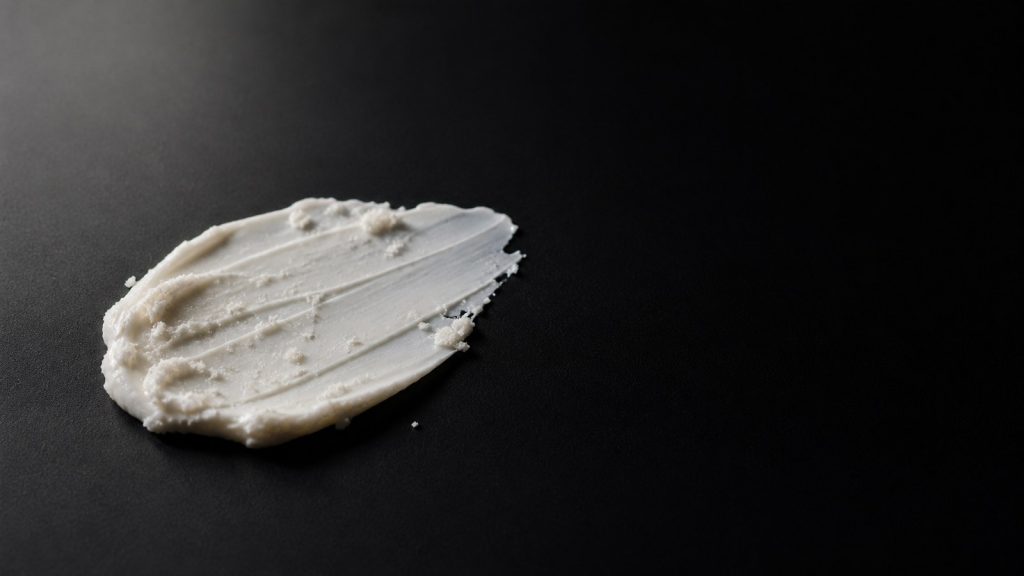
Skincare pilling happens when leave-on products gather into tiny flakes, crumbs, or soft rolls instead of forming a smooth surface. The fastest response is to use thinner optional layers, reduce rubbing, allow visibly wet products to settle, and simplify the routine until you identify the troublesome step.
Pilling does not automatically mean a product is ineffective or unsuitable for your skin. It is usually a surface-layering problem involving the amount applied, the interaction between finished formulas, or the way those formulas are spread. The clues below can help you correct the routine without replacing everything at once.
The Answer: Skincare Layers Aren’t Bonding
If you are asking, “why is my skincare pilling?”, the most likely reason is that one or more products are forming an unstable surface film that rolls into clumps when another layer or repeated rubbing disturbs it. In this context, “bonding” means staying together as a smooth cosmetic layer; it does not imply that the products must form a permanent chemical bond.
A serum, moisturizer, sunscreen, or makeup product may look smooth when first applied but loosen after another formula passes over it. The last product often receives the blame because that is when skincare pilling becomes visible. However, an earlier gel or lotion may have left the tacky film that started the problem.
The main triggers are excessive product, overlapping layers, insufficient settling time, repeated rubbing, and formulas that simply do not sit well together. Ingredient lists can offer clues, but they cannot reliably predict how two complete formulas will behave once layered. Texture agents, film-forming materials, powders, gums, oils, and silicones are common cosmetic components and are not inherently evidence of a poor formula.
Use these initial corrections without changing the entire routine:
- Reduce each optional serum or lotion when the surface feels coated or sticky, but keep any product with specific coverage directions at its labeled amount. Several generous layers can leave more material than the next formula can hold in place.
- Pause after a visibly wet layer when it still shifts under a light touch, but do not wait indefinitely for every product to feel completely dry. Waiting helps with wetness, not every compatibility problem.
- Spread the next product with brief, light motions when an earlier film is already present, but stop once coverage looks even. Continued massaging can gather a partly settled layer into rolls.
- Remove one optional layer when several products leave similar tacky finishes, but keep the remaining order and amounts consistent. This makes the outcome easier to interpret.
This guidance applies to cosmetic pilling during application. Material already visible on clean skin, worsening discomfort, or persistent surface changes require a different response rather than more layering experiments.
How Skincare Layers Form Flaky Clumps
Skincare pilling begins when a surface film loses its even structure. A new product may partly rewet the layer beneath it, drag against a high-grip finish, or sit on top without spreading evenly. Fingers or a makeup tool then move the loosened material across the surface, gathering it into visible flakes or rubbery strands.
Consider a routine in which a generous serum remains tacky, moisturizer is massaged over it, and sunscreen creates a third film. The layers may appear smooth until the same area receives several passes from fingers, a sponge, or a brush. That movement lifts part of the film and rolls it together.
Sunscreen appears responsible because it was applied last, even though the unstable coating began with the earlier layers.
Four conditions commonly contribute to this process.
First, too much total material may remain on the surface. One generous product might settle acceptably, while several generous products create a thick coating that shifts during application. This does not mean every formula should be used in the smallest possible amount. Instead, avoid applying extra optional product merely to make the surface feel wetter or more coated.
Second, two finished formulas may not layer smoothly. Descriptions such as “water-based” or “oil-based” are not dependable compatibility tests because cosmetic formulas usually contain mixtures of water, oils, emulsifiers, powders, and texture-supporting materials. Two lightweight gels can produce skincare pilling together, while a fluid serum and richer lotion may remain smooth.
Third, timing can affect the outcome. Applying the next practical step while the first is still moving freely may mix and displace both layers. At the other extreme, forcefully rubbing over a completely set film can lift it. A short pause is useful when wetness is the trigger, but waiting cannot make every combination compatible.
Fourth, friction makes an unstable film visible. Pilling often concentrates around the sides of the nose, jaw, hairline, or other places that receive repeated passes. Trying to massage away the first crumbs usually creates more because the movement continues gathering loose material.
Product order can matter, although “thin to thick” is only a starting convention. A thin serum can form a stronger film than a thicker lotion. If two optional products pill in their usual order, you may compare them in the reverse order during another application, provided neither label requires a particular sequence.
Keep their amounts and the rest of the routine unchanged so that the order is the only meaningful difference.
Conditions may also vary from one application to another. A wetter surface, a larger amount, or extra blending can explain why the same routine pills inconsistently. However, if a product develops an unusual smell, color, or texture, stop using it and follow its packaging guidance rather than treating the change as ordinary pilling. The FDA cosmetics resource provides consumer information about cosmetic labeling and product concerns.
Product Pilling Versus Normal Skin Flaking
Product residue and existing surface flakes can look similar once moisturizer or makeup collects them. Timing provides the strongest initial clue. Skincare pilling usually begins during application or shortly afterward, whereas existing flakes may be visible before any leave-on product touches the surface.
Pilled product often forms soft white, grayish, or translucent rolls that multiply with continued rubbing. It may follow the path of the fingers or appear where multiple formulas overlap. After the loose residue is brushed away gently, the surface underneath may look and feel unchanged.
Existing flakes are more likely to remain attached in irregular patches before the routine begins. They may stay in the same locations after a product is applied instead of appearing only along the direction of movement. The distinction is not always clear because loose surface material and cosmetic residue can collect together.
Use the following observations to narrow the cause:
- Examine clean skin under comfortable lighting before applying leave-on products, but do not pick or scrape at anything attached. Material that is already visible makes a product-only explanation less convincing.
- Apply one familiar moisturizer to a small area when the surface feels comfortable, but stop the comparison if discomfort starts. Clumps that appear without serum, sunscreen, or makeup make the moisturizer, its amount, or the application motion more relevant.
- Compare gentle pressing with circular rubbing when rolls appear under your fingers, but do not scrub harder to reproduce them. Less residue with pressing suggests that friction is contributing.
- Observe the surface before and after makeup when the skincare initially looks smooth, but keep the underlying products and quantities unchanged. Pilling that starts only with makeup points toward final-step pressure or an interaction with the existing film.
- Notice whether residue follows high-contact areas when certain patches pill more than others, but do not treat location alone as proof. Those areas can collect both product and existing flakes.
The pilling explanation becomes weaker when flakes remain visible throughout the day on clean skin or when the surface becomes increasingly uncomfortable. Do not add a scrub simply to remove the evidence. Extra friction can produce more debris and make the original cause harder to identify.
If several routine steps are failing at once, the one-change approach in this skincare routine troubleshooting guide can help you isolate the problem. Replacing or rearranging everything together may improve the finish, but it will not reveal which amount, layer, or motion mattered.
Apply Thinner Skincare Layers More Slowly
Begin by adjusting technique while keeping the products as consistent as possible. This tests whether quantity, timing, or friction is causing the skincare pilling before you remove a formula from the routine.
Use this sequence during a comparable application:
- Apply the earliest necessary leave-on product in a thin, even layer on clean skin, but do not add extra drops simply to extend its spreading time. Use only enough to cover the intended area according to the label.
- Let that layer settle when it remains glossy, pooled, or easy to move, but use the pause only until obvious wetness has subsided. A longer delay is not automatically more effective.
- Apply moisturizer with brief outward motions when it is part of the routine, but stop massaging as soon as the layer looks even. If crumbs begin collecting, more rubbing will generally produce more residue.
- Apply sunscreen according to its directions during a daytime routine, but do not reduce its labeled coverage merely to create a smoother finish. The American Academy of Dermatology’s skin-care basics provides general guidance on keeping skin care gentle and maintaining sun protection.
- Press makeup over the settled skincare when buffing causes pilling, but avoid repeated passes over one area. A smoother result with pressing identifies final-step friction as an important clue.
Judge the outcome by whether the same combination creates fewer clumps without excessive waiting or rubbing. One smooth application is encouraging, but a repeatable result under comparable conditions is more useful.
If the routine continues to pill, simplify it rather than introducing more variables. Keep the necessary base products for that application and remove optional serums. If the reduced combination remains smooth, restore one optional product during a later application. Keep its amount, order, and application method stable while leaving everything else unchanged.
The outcome can point you toward a specific correction:
- Use one product by itself when it pills in every combination, but leave out other optional layers during the comparison. If it still rolls, focus on that product’s amount, finish, and application method.
- Compare two products separately when each works alone but pills when stacked, but do not alter their quantities during the comparison. A combination-only failure suggests that the completed formulas do not layer smoothly together.
- Reduce optional layers when the routine usually feels thick or tacky, but preserve the directed amount of products that require full coverage. Improvement indicates that excess surface film was contributing.
- Change the makeup motion when bare skincare remains smooth, but keep the underlying routine stable. Improvement with pressing instead of buffing points to friction rather than the number of skincare products alone.
- Try a different order for two optional products when each works separately, but do not reverse products whose labels require a set sequence. A smoother result can identify an order-specific layering problem.
Avoid changing quantities, order, waiting time, and tools all at once. Although the finish may improve, you will not know which adjustment corrected the skincare pilling. At the same time, you do not need to force a nonessential formula into a combination where it repeatedly creates residue. It may work better in a shorter routine or at a different application time.
Waiting has limits as well. If a thin layer pills when used alone with minimal movement, adding increasingly long pauses is unlikely to make that layer dependable. A workable routine should not require perfect timing or repeated repairs at every application.
When clumps first appear, resist the urge to rub them back into the surface. Allow the area to settle, remove loose residue with minimal movement, and avoid adding more product directly over the clumps. Piling fresh layers onto unstable material usually makes the texture more noticeable.
When Persistent Pilling Needs Dermatologist Input
Cosmetic pilling that occurs only while products are being layered can usually be approached by reducing optional layers and friction. Qualified input becomes more appropriate when material remains visible on clean skin, the surface becomes increasingly uncomfortable, or the problem worsens after the routine has been simplified.
Stop the comparison if an application causes immediate or escalating discomfort. Remove the suspected product according to its directions, avoid scrubbing, and do not stack additional formulas over the area in an attempt to correct the finish. Repeated testing on an uncomfortable surface can obscure which product or action started the problem.
A dermatologist can help when you cannot distinguish persistent surface flaking from product residue. Bring the relevant packaging or a written product list, including the application order. Note whether the material appears before products, during skincare, or only after sunscreen or makeup. This information is more useful than restarting several suspect products together.
Persistent skincare pilling without discomfort does not automatically require outside help. However, you have enough information to stop testing a troublesome optional combination when thin applications, limited rubbing, a simplified routine, and one-change comparisons repeatedly produce the same clumps. This page is general education; if the problem worsens, stop experimenting and seek qualified help.
Questions About Skincare That Keeps Pilling
Why does my routine pill only after I apply sunscreen?
Sunscreen may be disturbing an unstable film left by an earlier serum or moisturizer rather than causing the entire problem. Use thinner optional layers, let obvious wetness settle, and apply sunscreen with limited passes. Do not reduce its directed amount to prevent pilling. If it also rolls up on clean skin without optional products underneath, its own finish or application method becomes more relevant.
Can skincare pill even when I wait between every layer?
Yes. Waiting can reduce mixing between wet layers, but skincare pilling can also result from excess product, friction, or formulas that do not layer smoothly together. If longer pauses make no difference, test thinner optional layers and compare the products separately. A combination that still rolls with restrained application is unlikely to become reliable merely because you extend every pause.
Why does pilling appear on only certain parts of my face?
Localized pilling often follows areas receiving extra product or repeated blending, such as the sides of the nose, jaw, or hairline. Existing flakes may also collect there. Examine clean skin first, then notice where your fingers or makeup tools make additional passes. If the same patches remain visibly flaky or become increasingly uncomfortable without products, stop repeated application tests and seek qualified help.
Back to top