Disclaimer: This guide on what to avoid when dealing with skin issue repair is for general education only and is not medical advice or a medical diagnosis. If you have burning, swelling, a rash, eye pain, vision changes, or symptoms that keep coming back, talk with a dermatologist, doctor, or qualified clinician.
The Short Answer
The short answer: I look at the exact moment the problem goes wrong, return to the last setup that felt safer, and pause anything that turns annoyance into damage, pain, or a bigger mess. I keep one detail honest: the exact moment it failed, what I had changed, and the limit that made me pause before I turned one problem into three.
The reason that mistake cost me more than it should have
The most expensive mistake I made was treating every skin issue like a product gap. If my cheeks were flaky, I added a richer layer. If my forehead looked bumpy, I added an exfoliant. If a breakout stayed angry, I added a spot treatment over the exfoliant because I wanted visible proof that I was doing something.
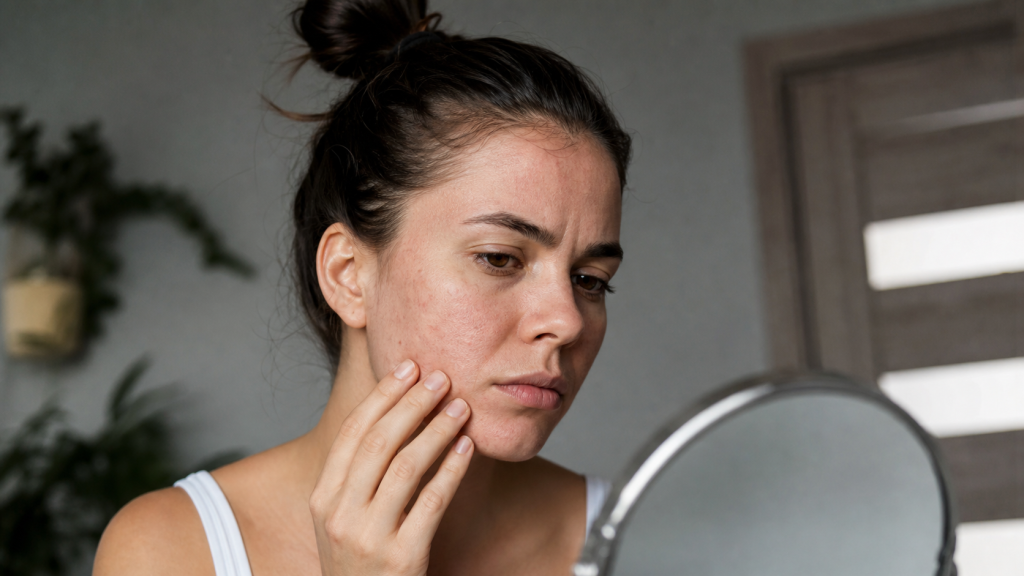
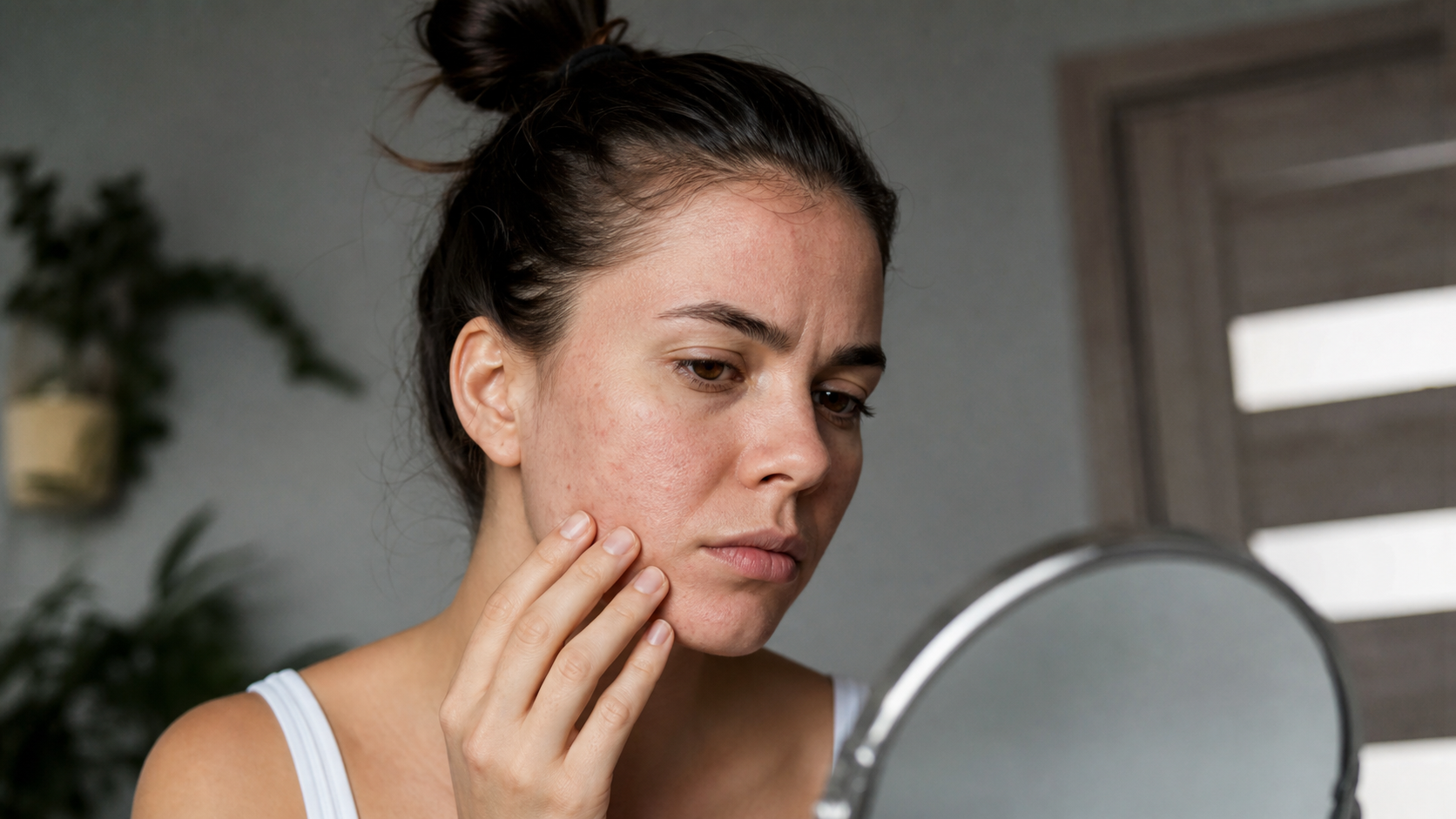
By day 10, I had stacked acids and other actives often enough that the burning redness felt normal to me. I told myself it was purging because that sounded more hopeful than admitting my face was irritated.
That is the part I now put at the top of my own list of the problem: do not keep escalating when the skin is getting hotter, tighter, and more reactive. Purging does not usually feel like my whole face is mad at water. When my barrier finally gave up, even a plain rinse made my cheeks sting.
I had paid for new products, used too much of them, and still ended up with a smaller routine than I had before. The real cost was not only money. It was the extra week of avoiding mirrors, skipping makeup because it caught on flakes, and standing at the sink with sore skin wondering which bottle had done it.
The messy first failure looked practical at the time. I compared textures, percentages, claims, and finish, then acted as if more treatment strength meant better repair. I ignored fit: whether my skin could tolerate the frequency, whether two products overlapped, whether my cleanser was already leaving me tight, and whether I had enough calm days to judge a new step.
I also changed application order, amount, and timing together, so when my face burned, I had no clean answer.
If I could rewind that week, I would not ask which treatment was strongest. I would ask which change made my skin less able to handle normal contact. A repair routine that cannot survive washing, sunscreen, or a mild moisturizer is not stable yet.
The clue I wish I had trusted sooner
The clue I missed was the short sting after washing that did not fade the way it used to. At first it lasted maybe thirty seconds. Then it turned into a tight, shiny feeling across my cheeks that stayed while I brushed my teeth.
By the time I noticed patchy flaking near my nose and a warm flush after moisturizer, I had already talked myself into continuing because the bumps looked slightly flatter.
That early sting should have changed the plan. Not because every tingle is dangerous, but because the repeat I finally trusted mattered. The discomfort was spreading from one treatment night into ordinary parts of the routine. Water felt sharper. Moisturizer felt less soothing.
Sunscreen started to sit strangely, catching on dry patches and pilling around my mouth when I tried to smooth it down before leaving the house.
I remember being late, rubbing at the pilling with my fingers, and making the redness worse because I was annoyed and tired.
If my skin tolerates a gentle cleanser, I keep contact brief. If my face is already bare and I have not worn sunscreen, makeup, heavy sweat, or grime, I do not cleanse just to satisfy a habit.
I also write down what changed before the flare: new active, higher frequency, longer contact time, shaving friction, mask friction, weather shift, or a makeup remover that took extra rubbing. That note keeps me from blaming the wrong item.
I once blamed a moisturizer for stinging when the real problem was that I had used an acid the night before and then washed with water that was too hot. The moisturizer was not magic, but it was walking into an argument I had already started.
The safer test I would make now
By Day 3, I look for direction rather than a perfect face. If the heat is lower, I do not punish the remaining flakes. If my cheeks still feel tight but no longer burn when I rinse, I take that as a sign to keep the routine quiet for longer.
If redness is wider, swelling appears, or plain moisturizer hurts more than before, I treat that as a failed home experiment, not as motivation to add a stronger layer.
My safer test is small and boring on purpose. I keep the number of steps low enough that I can repeat them without guessing. I use a mild cleanse only when removal is needed, a tolerated moisturizer if I have one, and sunscreen during the day if it does not sting or worsen the situation. I keep amounts consistent.
I do not change cleanser, moisturizer, sunscreen, and treatment in the same three-day stretch because that turns the routine into noise.
By Day 7, if the skin is calmer, I compare reintroduction options by irritation risk rather than by the most exciting claim. A leave-on active goes lower on the list than a basic support step. A product that overlaps with something I already use waits longer.
A formula with fragrance, strong exfoliating acids, retinoid strength, acne medication, or a long contact time gets treated with more caution.
I patch-test on a small area when my skin is calm enough for the outcome to mean something, not on the angriest patch of my face.
The awkward part is that reintroduction rarely fits neatly into a busy week. I have tried to test a product the night before an early meeting, then slept badly because my face felt warm against the pillow. I have also tested something after a sweaty day, when my skin was already salty and rubbed from a mask, then blamed the product alone.
Now I pick a lower-pressure night, use a small amount, keep it away from the eye area, and wait long enough to see whether burning, itching, heat, or patchy flaking returns. If it does, I do not reapply just to confirm what my face already told me.
The line where I get help outside my own guesswork
I also do not try to manage signs of infection or a severe acne flare with cosmetic layering.
There is a second line that is less dramatic but just as real: when normal care keeps hurting. If lukewarm water burns, if plain moisturizer stings every time, if sleep is affected because my face feels hot against the pillow, or if I am afraid to wash because I know it will hurt, I stop treating the situation as a comparison problem.
At that point, reading more labels may not give me the safety margin I need. A qualified clinician can check whether the issue is irritation, allergy, acne treatment reaction, eczema-like flare, infection, or something else that should not be guessed at from a bathroom shelf.
If an over-the-counter drug product is involved, I follow the label directions instead of copying a routine from comments.
The repair mindset that has helped me most is restraint with evidence. I want each change to answer one question: did this reduce irritation, or did it add another source of stress? When the answer is unclear, I slow down. When the answer is pain, spreading redness, or fear, I get help instead of buying another bottle.
The questions I wish I had asked sooner
I added a new serum three nights ago and the texture now pills under moisturizer. What should I test before blaming the whole routine?
I would remove only the newest layer first and keep the rest unchanged for a few nights. If the pilling stops, I re-test with less product or a longer wait time before deciding the ingredient itself is wrong for me.
My routine looks fine on paper but one layer feels tacky for hours, and I'm worried the formulas are clashing. Where do I start?
I start with texture and timing, not another active. I apply the watery step alone, then the cream alone, and watch whether the tackiness appears only when the two sit together.
The product color changed slightly after a few weeks, and I'm not sure if my skin is reacting or the formula changed. What would you do?
I would pause that product and compare the smell, color, and texture with how it looked when it was new. If oxidation or separation is obvious, I do not keep testing it on my face just to prove a point.
Quick Summary
- First clear warning sign: I pause the newest change when the label, routine, or product layer makes the repeat I finally trusted harder to read.
- Reset move: I go back to the last boring setup that stayed calm before testing one suspected trigger.
- Stop line: I stop guessing at home if discomfort spreads, daily use gets harder, or a qualified clinician is the safer next step.