What the Korean Skincare Three-Second Rule Means
The Korean skincare 3 second rule means applying moisturizer, or the next intended leave-on step, soon after cleansing while the skin is still lightly damp. It is a practical timing cue associated with Korean skincare routines, not a formal standard that requires a stopwatch or guarantees a special result at exactly three seconds.
The useful idea is simple: connect cleansing with the next practical step instead of leaving freshly washed skin waiting unnecessarily. General guidance from the American Academy of Dermatology supports applying moisturizer after washing while skin is still damp. That guidance supports the broader routine principle, but it does not establish that the number three has a unique effect.
In a daily skincare routine, the Korean skincare second rule concerns sequence and timing. It does not determine which products suit a person, explain skincare ingredients, identify a skin concern, or replace product directions. It is best understood as a memorable reminder to move naturally from cleansing to the next planned step. For a wider routine overview, see What Belongs in a Daily Skincare.
Three-Second Rule Versus Damp-Skin Application
“Damp-skin application” describes the condition of the face when a product is applied. The three-second rule describes the habit of reaching that condition promptly after cleansing. The terms overlap, but they are not interchangeable.
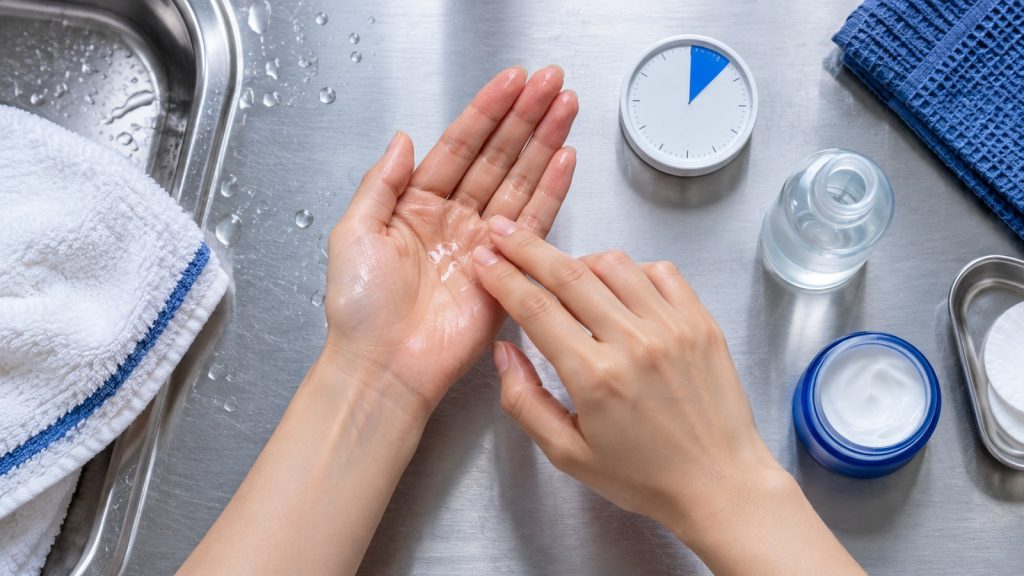
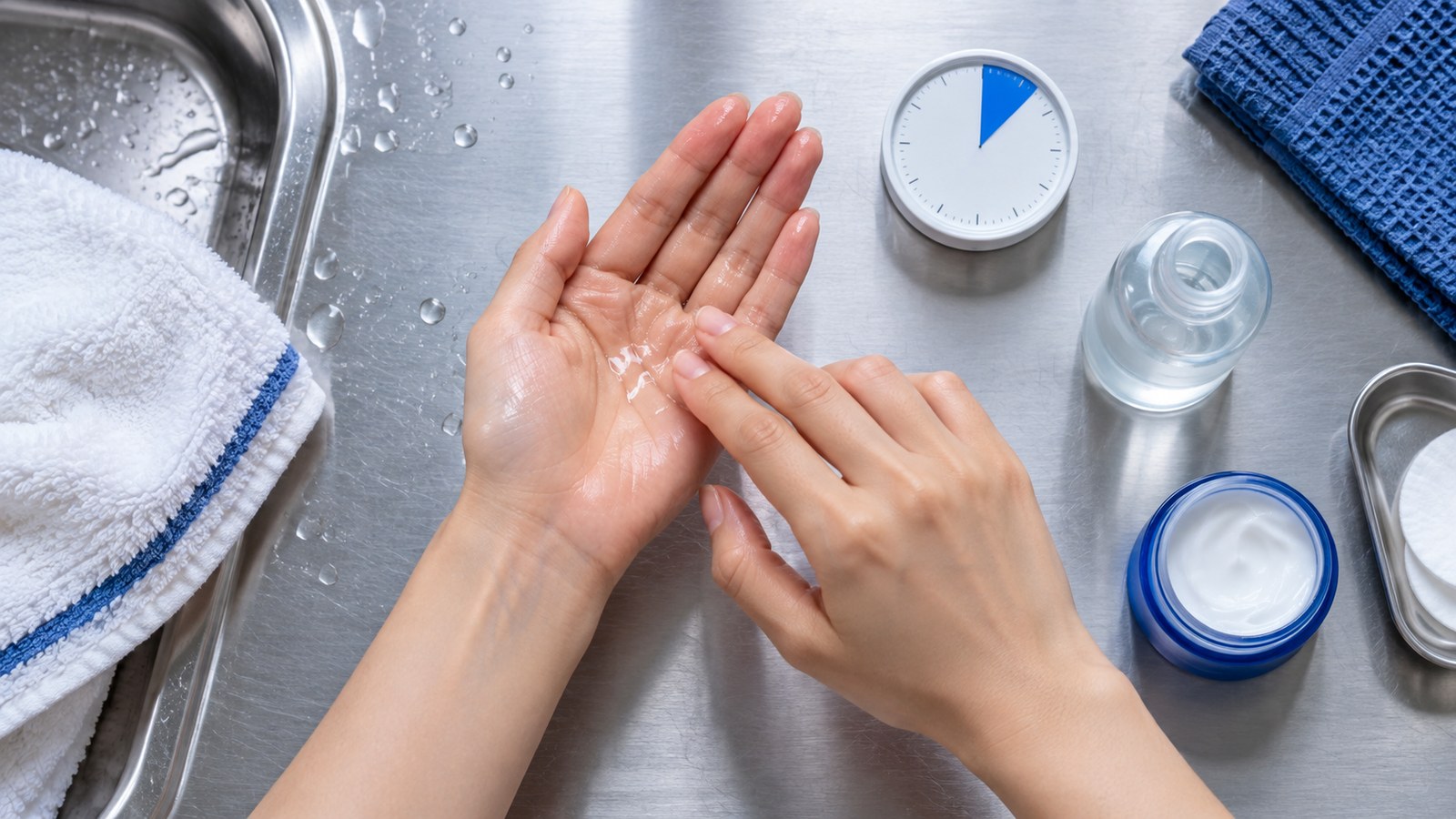
After cleansing, rinse away the cleanser and gently pat the face. The goal is to remove excess water without drying the skin completely. A lightly damp face should not be dripping, and it should not feel fully dry. Apply the next intended step when the surface is comfortable and easy to work with.
The three-second wording is therefore a prompt rather than a deadline. A brief pause to dry your hands, open a container, or move away from the sink does not mean the routine has failed. The principle is lost only when the number becomes more important than the actual process and encourages rushing or applying product to an uncomfortably wet face.
Product directions take priority. If a leave-on product specifies dry-skin application or gives a particular order, follow those instructions rather than forcing it into a three-second window. The timing cue helps organize a routine; it does not override the directions for an individual product.
Why Timing Moisturizer After Cleansing Matters
Cleansing naturally creates a transition point in a morning or night routine. Once rinsing is complete, the face may remain lightly damp for a short period before it feels dry. Applying moisturizer during that transition keeps the cleansing and moisturizing steps together and makes the sequence easier to repeat.
The main practical benefit is routine consistency, not a precisely timed cosmetic outcome. Imagine a night routine in which someone cleanses, leaves the bathroom to answer a message, and returns later to find that moisturizing has been forgotten. Preparing the next practical step before cleansing, or keeping it within reach, addresses the interruption more effectively than trying to move at an uncomfortable speed.
The same logic applies in the morning. A person may cleanse, gently pat the face, apply moisturizer, and continue with the rest of the routine. If sunscreen follows, it belongs to the established morning sequence and should be used according to its directions. The three-second cue applies to the transition after cleansing; it does not turn every morning step into a timed event.
A useful check is to notice what happens immediately after rinsing. If the face is dripping, remove excess water. If it is already completely dry, the delay may have been longer than intended. If the next practical step is difficult to reach, preparation is the likely routine adjustment. These clues help distinguish a timing problem from a product-order problem without adding unnecessary layers.
The evidence has a clear limit. Damp-skin moisturizing is a common practical recommendation, but there is no basis here for claiming that exactly three seconds is essential or that missing the interval causes a defined result. Treat the phrase as shorthand for prompt, comfortable sequencing.
Three-Second Rule Examples on Freshly Cleansed Skin
A straightforward evening example is to place the towel and moisturizer within reach before cleansing. After rinsing, gently pat away dripping water, leave the face lightly damp, and apply moisturizer. The routine follows the rule because the next practical step begins promptly and the skin is neither soaking wet nor completely dry.
A morning example may include cleansing, moisturizing, and then sunscreen. The person does not need to apply every product within three seconds. The relevant moment is the move from cleansing to the next intended step. Later steps can follow their normal order and directions.
A routine with another leave-on product works differently. If that product already belongs before moisturizer, apply it according to its directions and moisturize at the appropriate point. The three-second idea still encourages beginning the post-cleansing sequence promptly, but it does not make moisturizer the first step for every routine.
A contrast example is cleansing, drying the face completely, walking away, and returning much later. Moisturizer may still be used as part of the routine, but this no longer reflects the damp-skin timing behind the phrase. The practical correction is to reduce the gap by preparing the next practical step, not to add more products.
Another contrast is applying moisturizer while water is running down the face simply to meet the number. A dripping surface can make spreading uneven or uncomfortable. Lightly damp skin is the more useful target, so gently pat first. If the routine feels rushed, simplify optional steps rather than treating three seconds as a pass-or-fail challenge.
What to Apply After the Three-Second Rule
The next question is not “What must everyone apply within three seconds?” It is “What is the next intended step in this routine?” In a short routine, that may be moisturizer. In a longer routine, it may be another leave-on step followed by moisturizer. The answer depends on the routine already chosen and the directions that accompany it.
Use this process:
- Prepare the next intended step before cleansing if searching for it commonly creates a delay.
- Cleanse and rinse as usual, then gently pat away excess water without trying to make the face completely dry.
- Apply the next planned step while the skin feels lightly damp and spread it evenly without rushing.
- Continue with the established morning or night order rather than adding steps because the phrase sounds incomplete.
- If the routine becomes confusing, remove optional layers and keep the sequence simple enough to repeat.
If a product repeatedly causes discomfort, pause that optional step instead of compensating with additional products. If the problem worsens, stop and seek qualified help. This article provides general skincare education and cannot determine an individualized routine.
Questions About Timing Moisturizer in a Daily Skincare Routine
I am worried I miss three seconds at night; am I doing the rule wrong?
No. The number is a memorable prompt, not a pass-or-fail requirement. If you cleanse, gently remove excess water, and begin the next intended step soon afterward, you are following the underlying damp-skin principle even when a small interruption occurs. Preparing the next product before cleansing can make the evening routine more consistent without encouraging rushed application.
My face is still dripping after cleansing; should I wait before moisturizing?
Gently pat away enough water that the face is no longer dripping, then apply the next practical step while it feels lightly damp. There is no need to wait until the surface is completely dry for this routine concept. Applying product to soaking-wet skin may make spreading awkward, so comfort and even application are more useful guides than an exact second count.
My serum belongs before moisturizer, so what should happen after cleansing?
Keep the serum in its established place if its directions put it before moisturizer. The three-second concept encourages a prompt start after cleansing, but it does not require moisturizer to be first for every routine. Apply the serum as directed, then moisturize when the sequence calls for it. Do not add a serum solely to satisfy the timing phrase.
Does the three-second rule include sunscreen in a morning routine?
The rule mainly describes the transition immediately after cleansing. Apply moisturizer or another intended step while the skin is lightly damp, then apply sunscreen according to its directions and the rest of the morning order. Sunscreen does not need to be forced into the three-second window. If the routine feels rushed, prepare it in advance or remove optional steps.
Back to top